 Amanze Chinonye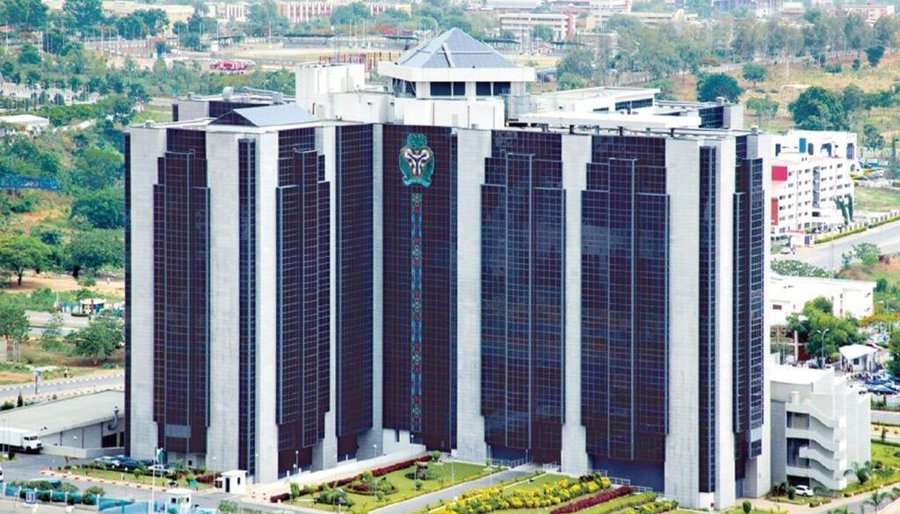
As the March 31, 2026 deadline approaches, Nigeria’s banking sector is undergoing one of its most significant transformations in decades, driven by a sweeping recapitalisation directive from the Central Bank of Nigeria (CBN).
What began in 2024 as a regulatory policy has evolved into a system-wide restructuring compelling banks to raise fresh capital, explore mergers, and reposition for a more competitive and resilient financial landscape.
The recapitalisation framework gave lenders a 24-month window to meet significantly higher minimum capital thresholds tied to their licence categories. Under the policy, international banks are required to maintain at least ₦500 billion in capital, national banks ₦200 billion, and regional banks ₦50 billion, while non-interest banks must hold between ₦10 billion and ₦20 billion.
Join our WhatsApp ChannelThe objective is clear: to strengthen the financial system, enhance banks’ shock-absorbing capacity, and position the sector to support Nigeria’s long-term economic growth ambitions.
With days to the deadline, compliance levels across the industry appear strong. Official and industry data indicate that about 30 banks by some estimates 31 have already met the new capital requirements, while a small number remain under final regulatory verification.
READ ALSO : Essence of Banks’ Recapitalisation Policy
Nigeria’s Tier-2 Banks Brace for CBN Recapitalisation Shake-Up
In response to the directive, banks have collectively raised over ₦4 trillion in fresh capital, according to regulatory disclosures, through rights issues, public offers, private placements, and strategic investments. The exercise has triggered a surge in activity in Nigeria’s capital markets, with banking stocks drawing renewed investor interest.
Leading the compliance drive are the country’s largest banking groups, which have leveraged strong investor confidence and multi-phase fundraising strategies to scale above regulatory thresholds.
Institutions such as Access Bank Plc, Zenith Bank Plc, First HoldCo Plc, Guaranty Trust Holding Company Plc, and United Bank for Africa Plc are among those that have successfully met the new benchmarks, consolidating their positions at the top of the industry.
Beyond the tier-one lenders, the recapitalisation exercise has revealed a broader layer of resilience across mid-tier and emerging banks.
Lenders including Fidelity Bank Plc, Ecobank Nigeria, Stanbic IBTC Holdings Plc, and First City Monument Bank are understood to have met the requirements, while others such as Wema Bank Plc are awaiting final confirmation.
Smaller institutions, including Globus Bank and PremiumTrust Bank, have also raised capital to align with the new thresholds, reflecting the wide reach of the policy across the sector.
Non-interest banks are similarly adjusting, with Jaiz Bank Plc, Lotus Bank, and TAJBank working to meet their respective capital requirements.
However, beneath the strong compliance figures lies a more complex story of pressure and restructuring.
For some institutions, recapitalisation has become a test of survival, triggering a wave of consolidation and strategic realignment. One of the most prominent developments is the merger between Providus Bank and Unity Bank Plc, widely seen as an early signal of the consolidation trend emerging from the exercise.
Other lenders have strengthened their capital positions through shareholder support and strategic investments, underscoring the varied pathways banks are adopting to meet regulatory demands.
The ongoing transformation has drawn comparisons to Nigeria’s landmark 2004 banking consolidation led by Charles Soludo, which reduced the number of banks from 89 to 25 and created stronger, more resilient institutions.
While the current recapitalisation programme is not explicitly framed as consolidation, analysts say the combination of capital pressure, mergers, and restructuring suggests a similar long-term reshaping of the industry may be underway.
Regulators, meanwhile, are maintaining strict oversight to ensure that compliance goes beyond headline figures. The CBN is verifying capital sources and is expected to enforce post-deadline supervisory measures, including stress testing and close monitoring of any residual capital gaps.
With only days remaining, attention is now focused on the few institutions yet to secure full regulatory clearance. Analysts say the final stretch could trigger additional mergers, acquisitions, or potential exits from the market.
For the broader economy, the implications are significant. A more capitalised banking sector is expected to improve Nigeria’s capacity to finance infrastructure, support key industries, and withstand external shocks.
For customers, the changes are likely to translate into stronger and more stable banks, although short-term adjustments such as tighter lending conditions or operational restructuring may accompany the transition.
As the deadline draws near, the recapitalisation exercise stands as more than a regulatory milestone. It marks a strategic reset for Nigeria’s banking system one that will shape the sector’s structure, competitiveness, and resilience for years to come.

Amanze Chinonye is a Staff Correspondent at Prime Business Africa, a rising star in the literary world, weaving captivating stories that transport readers to the vibrant landscapes of Nigeria and the rest of Africa. With a unique voice that blends with the newspaper's tradition and style, Chinonye's writing is a masterful exploration of the human condition, delving into themes of identity, culture, and social justice. Through her words, Chinonye paints vivid portraits of everyday African life, from the bustling markets of Nigeria's Lagos to the quiet villages of South Africa's countryside . With a keen eye for detail and a deep understanding of the complexities of Nigerian society, Chinonye's writing is both a testament to the country's rich cultural heritage and a powerful call to action for a brighter future. As a writer, Chinonye is a true storyteller, using her dexterity to educate, inspire, and uplift readers around the world.