 Amanze Chinonye
The International Football Association Board (IFAB) has approved new rule changes that will allow referees to issue red cards to players who leave the field in protest or cover their mouths during confrontations, with the measures set to debut at the FIFA World Cup 2026.
The decisions were ratified unanimously during a Special Meeting of IFAB held in Vancouver, Canada, following consultations led by FIFA with key stakeholders across the game.
Under the new amendments, competition organisers will have the discretion to permit referees to send off any player who exits the field of play in protest of a decision. The rule also extends to team officials who incite players to abandon the pitch. In such cases, any team responsible for causing a match to be abandoned will, in principle, forfeit the fixture.
Join our WhatsApp ChannelREAD ALSO :
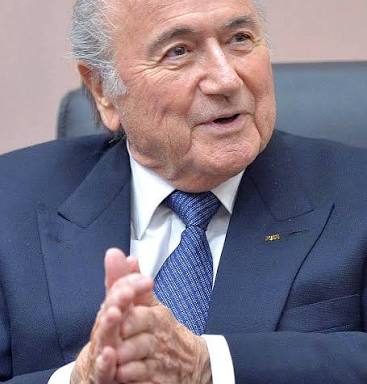
Ex-Fifa President Backs US World Cup Boycott Over Security Concerns
In a further move to curb unsporting conduct, players who cover their mouths during confrontations with opponents may also face red card sanctions, depending on the competition’s implementation of the rule.
FIFA President Gianni Infantino said the changes were designed to safeguard football’s core values and reinforce discipline on the pitch.
“At a Special Meeting of IFAB in Vancouver, some key decisions were taken to protect the integrity of our game and ensure mutual respect continues to govern football at all levels,” Infantino said.
He added that the amendments reflect a consensus among stakeholders following an extensive consultation process, noting that while they will be enforced at the 2026 World Cup, other competition organisers may adopt them ahead of their formal entry into force on July 1, 2026.
The new measures are expected to be communicated to all 48 participating teams in the expanded tournament in the coming weeks.

Amanze Chinonye is a Staff Correspondent at Prime Business Africa, a rising star in the literary world, weaving captivating stories that transport readers to the vibrant landscapes of Nigeria and the rest of Africa. With a unique voice that blends with the newspaper's tradition and style, Chinonye's writing is a masterful exploration of the human condition, delving into themes of identity, culture, and social justice. Through her words, Chinonye paints vivid portraits of everyday African life, from the bustling markets of Nigeria's Lagos to the quiet villages of South Africa's countryside . With a keen eye for detail and a deep understanding of the complexities of Nigerian society, Chinonye's writing is both a testament to the country's rich cultural heritage and a powerful call to action for a brighter future. As a writer, Chinonye is a true storyteller, using her dexterity to educate, inspire, and uplift readers around the world.