Eni Halts Arbitration On OPL 245 Oilfield Dispute With Nigerian Govt

November 21, 2023
Eni, Nigerian Govt Pause Oilfield Dispute Arbitration For License Talks

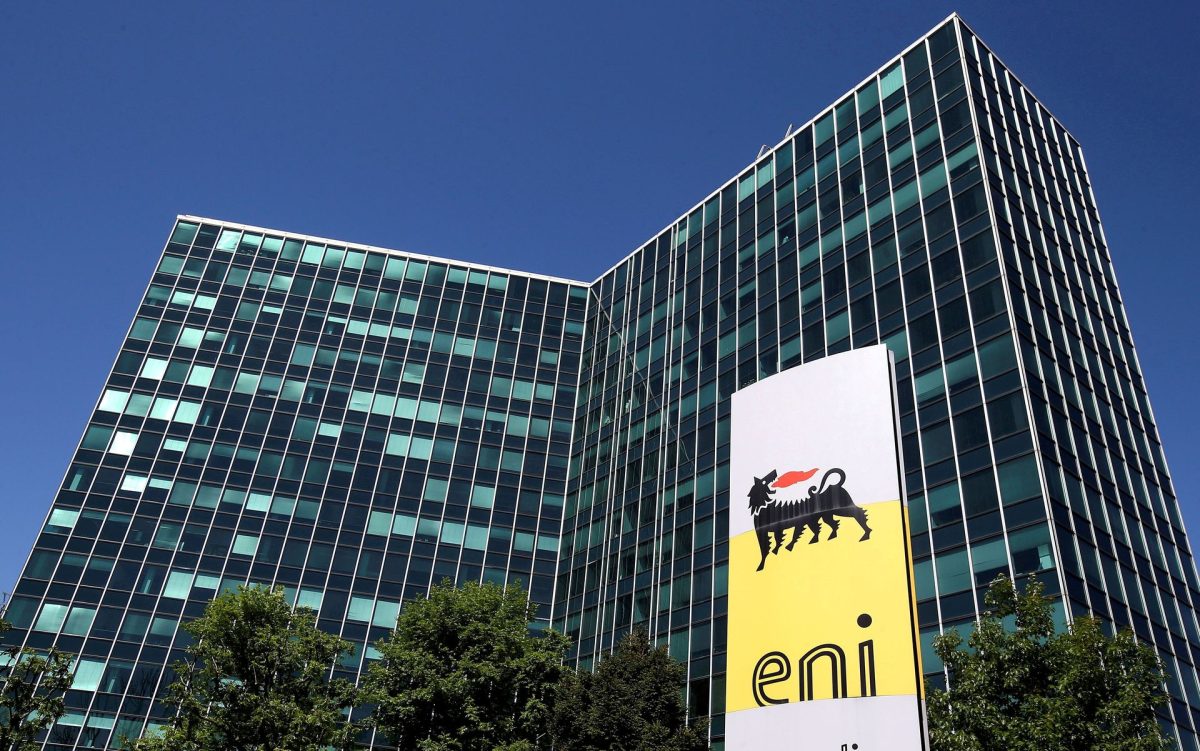
Eni, an Italian oil giant, has pressed pause on their arbitration proceedings concerning the OPL 245 oilfield dispute with the Nigerian government.

The move aims to open discussions on transforming the license from prospecting to production, potentially unlocking one of Nigeria’s most substantial oil reserves.

Join our WhatsApp Channel

An Eni spokesperson said, “Eni has agreed… to temporarily suspend the arbitration proceedings in order to discuss… steps for achieving the conversion of the license.”

This decision aligns with Nigeria’s recent withdrawal of civil claims amounting to $1.1bn against Eni, linked to alleged corruption in the OPL 245 deal.

READ ALSO: Nigeria’s Oil Production Prospects: Meeting OPEC Quota, Economic Growth

Eni and Shell secured rights to the offshore field in 2011, but incessant disputes hindered its exploitation, according to Reuters. The recent developments signal a shift towards resolving long-standing issues around this valuable resource.

The timeline reveals a series of events showcasing this gradual resolution: from the Milan appeals court confirming Eni’s acquittal over corruption charges in 2022, to Eni withdrawing its fraud complaint against Oando in October, leading to the potential sale of its Nigerian onshore subsidiary, .

The decision to suspend arbitration on Nov. 16 reflects the mutual interest in reconfiguring the license terms. While the details of the discussions remain undisclosed, both parties seem committed to finding common ground for future extraction prospects.

This pause not only halts legal proceedings but also signifies a pivotal moment in potentially harnessing Nigeria’s untapped oil wealth.

Emmanuel Ochayi

Emmanuel Ochayi is a journalist. He is a graduate of the University of Lagos, School of first choice and the nations pride. Emmanuel is keen on exploring writing angles in different areas, including Business, climate change, politics, Education, and others.
Ogun State Governor Dapo Abiodun
Previous Story

Ogun Govt Gratuity Payment Saves Lives Of LG’s Retirees, Says LOGPAN Chairman

jpg
Next Story

Naira Redesign: ‘Believe It Or Not, Nigeria Is Underdeveloped Country’ – Buhari

Featured Stories

Latest from Business

Each Nigerian Paid Nearly ₦19,000 to Electricity DisCos in December 2025

On average, each electricity consumer in Nigeria contributed about ₦18,860 to distribution companies (DisCos) in December 2025, the Nigerian Electricity Regulatory Commission (NERC) reported Friday. DisCos billed ₦258.66 billion of the ₦309.65 billion worth of electricity supplied, achieving a billing efficiency of
John Holt, CWG, Others End Nigerian Stock Market Losing Streak With N141.70bn Gain

Nigerian Stock Market Valuation Rises By N119bn

The Nigerian Exchange (NGX), also known as the stock market, recorded a N119.03 billion gain on Friday, March 6, after the market valuation of the bourse increased to N126.43 trillion, from the N126.31 trillion reported on Thursday, March 5. At the end

Manufacturers Call for Natural Gas Shift to Maximise Production

Manufacturers in southeast Nigeria have urged a shift from diesel to natural gas to lower soaring energy costs and boost industrial growth, warning that unreliable and expensive power supply threatens the survival of factories. Adaora Chukwudozie, chair of the South-East region of
Ogun State Governor Dapo Abiodun
Previous Story

Ogun Govt Gratuity Payment Saves Lives Of LG’s Retirees, Says LOGPAN Chairman

jpg
Next Story

Naira Redesign: ‘Believe It Or Not, Nigeria Is Underdeveloped Country’ – Buhari

Don't Miss

Nigerian Newspapers: Top 10 Business Stories Today

Top 10 Stories From Nigerian Newspapers Today, 31st January 2023

Here we present to you the top 10 stories from
Mark Zuckerberg Reveals What Being Meta CEO Feels Like

Mark Zuckerberg Makes N437 billion, As Meta Investors Ignore Nigerian Gov’t Lawsuit

Mark Zuckerberg’s wealth grew on Tuesday by 2.08 per cent