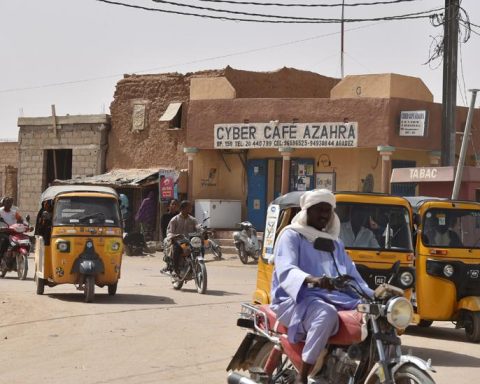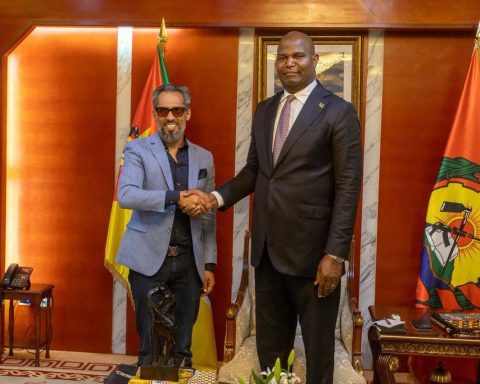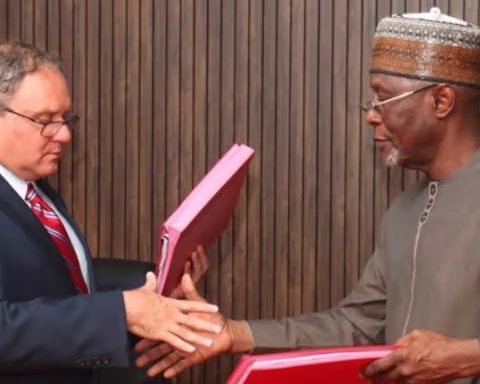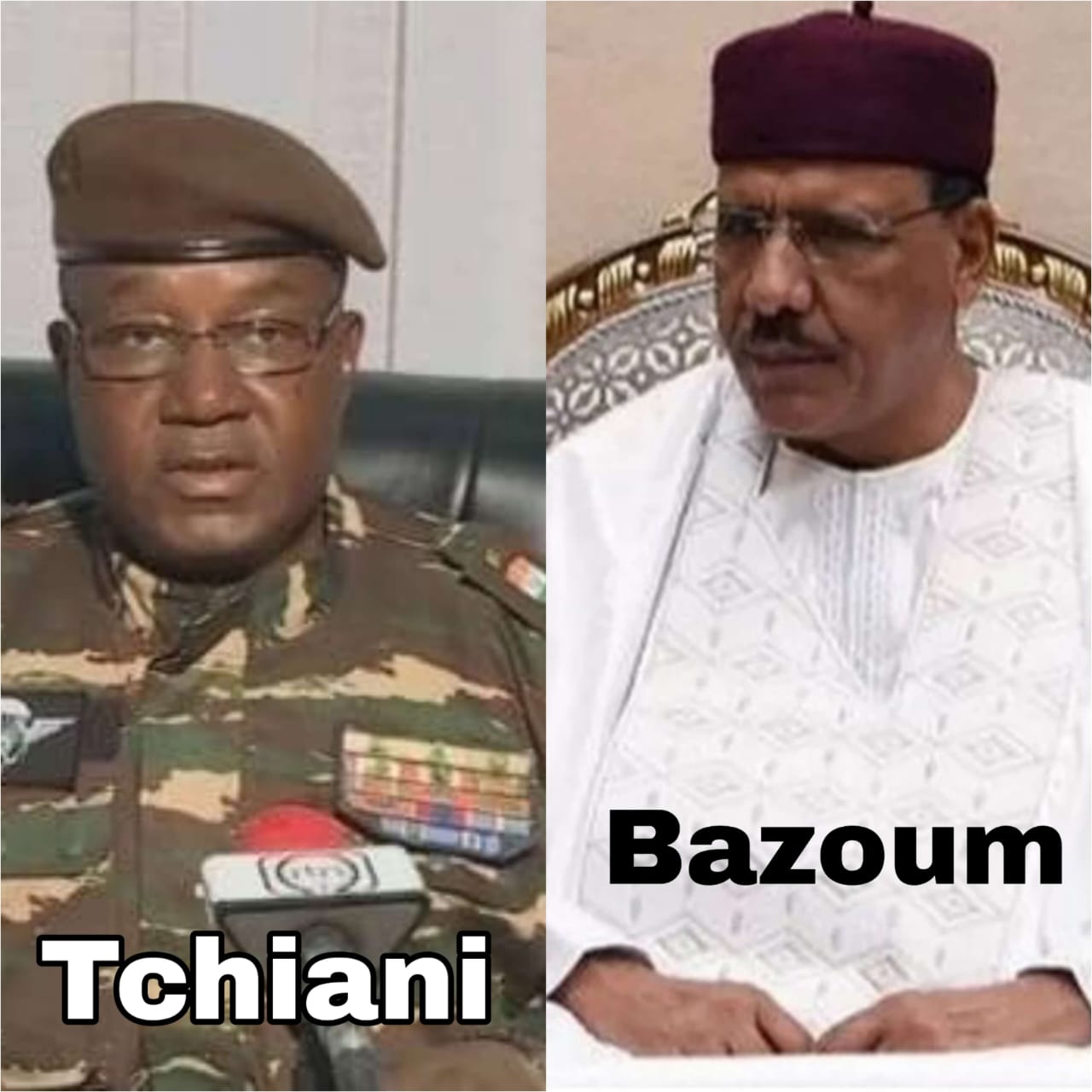
In a stunning turn of events, Niger Republic was shaken by a military coup that took place on the 26th of July 2023, making it their fifth coup since their independence, plunging the West African nation into a state of uncertainty. The coup, which saw the overthrow of the democratically elected government, has raised significant concerns over the future of democracy and governance in the country and Africa at large.
The implications of a coup on a country’s democratic institutions and governance are far-reaching. The sudden disruption of elected leadership and the establishment of military rule can have severe consequences for the nation’s stability, human rights, and development.
Join our WhatsApp ChannelSix countries in Africa are currently under military rule, all within the Sahel belt. Burkina Faso, Chad, Guinea, Mali, Sudan, and now Niger, have witnessed at least one coup in the last three years. Mali, Guinea, Burkina Faso, and Niger are part of the ECOWAS bloc.
Shortly after issuing the military an ultimatum for power to be returned to the democratic government, ECOWAS imposed stiff restrictions to ensure its orders were obeyed.
The West African regional body ordered the freezing of all Niger Republic enterprises and parastatals in commercial banks in all ECOWAS member states. The statement partly reads: “ECOWAS imposes stiff restrictions, directs the following measures to take immediate effect on the Niger Republic.
“They are the Closure of land and air borders between ECOWAS and Niger; the Institution of ECOWAS no-flight zone to all commercial flights to and fro Niger; the Suspension of all commercial and financial transactions between ECOWAS member states and Niger; Freeze of all service transactions including energy transactions; Freeze assets of Niger Republic in all ECOWAS Central banks; Freeze all Niger State and the state enterprises and parastatals in commercial banks; Suspension of Niger from all financial assistance and transactions with all financial institutions, and Imposed travel bans on military officials and their families involved in the coup attempt including anyone who accepts to take a position in the military government.”
Here, we delve into the key impacts and potential challenges that Niger Republic faces following the recent coup and the sanction by ECOWAS which might bring about more sanctions from other international bodies.
The erosion of democratic institutions in the Niger Republic after the recent coup could lead to a situation where there are fewer checks on the military junta’s actions, and power is concentrated in the hands of a few individuals rather than being distributed among different branches of government. This concentration of power can result in arbitrary rule and potentially lead to human rights abuses and a lack of accountability for the actions of the junta.
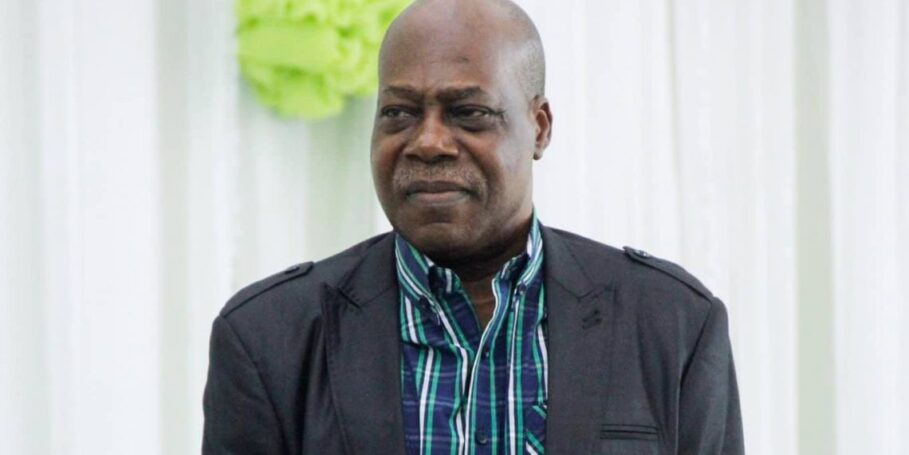
Another impact is that of Human Rights Concerns. Coup d’état is notorious for human rights violations. Reports of extra-judicial killings, arrests without due process, and suppression of free speech and assembly have emerged since the overthrow. These actions threaten the fundamental rights of citizens, fostering an atmosphere of fear and intimidation. An international human rights activist, Alhaji Musa Saidu has condemned the coup in the Niger Republic, saying there is no alternative to a democratic government that guarantees the rights and freedom of the people.
Aside from the erosion of democratic institutions and human rights, there are concerns about diplomatic isolation of the country from International communities, including the African Union and other regional organisations, which typically condemn coups and may impose sanctions on the new regime. This isolation can hinder foreign aid, trade, and diplomatic relations, further exacerbating the country’s economic challenges. As seen above on the sanctions by ECOWAS on Niger Republic there are possibilities of further sanctions from other foreign bodies which will have the capacity to isolate them as a country.
READ ALSO: How Niger Coup Renews, Deepens Scramble For Africa
One area of high concern is the economic impact. Coup-induced uncertainty often leads to capital flight and decreased investor confidence, adversely affecting the country’s economy. Additionally, the redirection of funds and resources toward the military apparatus can hamper much-needed development projects. It brings about uncertainty and has adverse economic effects on a country. Capital flight leads to decreased foreign investments and currency depreciation, while the diversion of funds away from development projects hampers overall economic growth and social welfare. To recover from such economic impacts, countries facing political instability and coup attempts often require stable governance, transparent policies, and efforts to rebuild investor confidence. Some of the sanctions by ECOWAS will bring about a negative impact on their country’s economy.
READ ALSO: Niger Coup: Germany Suspends Financial Aid, Development Cooperation
Lastly are the Challenges in restoring democracy and regional security already threatened by the coup. Re-establishing democratic processes after a coup is a complex task. Rebuilding democratic institutions, fostering political dialogue, and conducting free and fair elections require time, resources, and commitment from both domestic and international stakeholders. The transition period may also be marked by power struggles and factionalism, making the restoration of democracy a challenging process. Niger Republic’s strategic location in the Sahel region makes it a crucial player in regional security efforts. The instability resulting from the coup could have a spillover effect on neighboring countries, potentially exacerbating existing security challenges and complicating counter-terrorism efforts.
Despite the significant challenges ahead, there remains hope for Niger Republic’s return to democracy and good governance. The international community’s assistance in facilitating peaceful negotiations between the military junta and civilian leaders is crucial. Strengthening civil society and supporting grassroots movements can also promote civic engagement and participation, laying the groundwork for a more inclusive and stable democracy.
As the situation unfolds, Niger Republic stands at a critical crossroads. The choices made by its leaders and the support received from both internal and external actors will determine whether the country can overcome the impacts of the coup and restore democratic processes for the betterment of its people and the region as a whole.