 Aka Ekene, PBA Journalism Mentee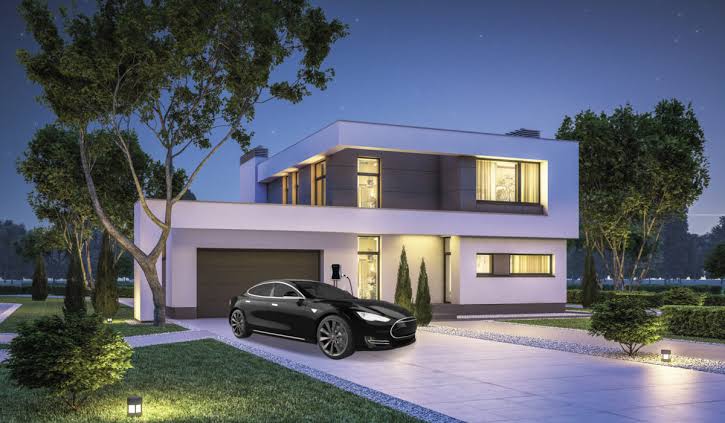
Smart home technology has been making waves as one of the coolest developments in everyday living. It’s crazy to think that regular household appliances can now be controlled by just your phone or tablet. But, let’s be real here, for most people in Nigeria, the idea of a smart home probably is a total pipe dream.
So, what exactly are smart homes?
Join our WhatsApp ChannelBasically, they’re houses that have a bunch of Internet-connected appliances that you can control remotely. Think smart TVs, smart doors, smart fridges, smart water heaters, smart showers, smart thermostats, smart speakers, smart fire alarms, smart lighting, and robot cleaners. You can control all of these things with your smartphone, laptop, or tablet. It’s pretty cool, right? Like, imagine being able to lock and unlock your front door with just your phone, or turn on your lights while you’re still at work.
Now, here’s the thing, there are a few basic requirements for a smart home. First, you need a strong internet connection. Second, you need to have smart appliances. And third, you need to have a home that’s set up for easy integration and connection of cables. Unfortunately, for most people in Nigeria, these requirements are pretty hard to come by.
For one, the power supply in Nigeria is pretty unreliable. A smart home needs a steady power supply to function properly, and that’s just not something that most people in Nigeria can count on. Even if you switch to a prepaid metering system, the quality of the power supply is still pretty bad. And, let’s not forget that electricity bills in Nigeria can be pretty expensive. Plus, smart appliances are pretty pricey too, and when you add in the cost of data plans and internet services, it starts to feel pretty unrealistic for most people.
It’s not just the cost that’s the problem. Smart appliances are not manufactured in Nigeria, so if you want to buy one, you’ll either have to import it or pay a pretty steep shipping fee. And even if you can afford all of that, it can be pretty hard to find a place to live that’s set up for easy integration of smart home technology. A lot of old buildings in Nigeria don’t have the infrastructure for it, and even some new buildings don’t have the space for it.
So, is there any hope for smart homes in Nigeria? Well, in the long run, probably not. It would take decades for things to change enough for smart homes to become the norm. But, in the short-term, there are definitely some opportunities for small-scale implementation. For example, with all the security concerns in Nigeria, there’s been an increased trend of people installing smart doors in their homes. So, while a full-fledged smart home might not be in the cards for most people in Nigeria, there are definitely some cool smart home features that are worth considering.
In conclusion, smart home technology has the potential to totally change the way we live in Nigeria. But, as it stands, there are a bunch of limitations and challenges that make it hard for everyone to jump on board. Things like spotty power, low income, pricey smart devices and internet, and not-so-great housing make it tough for the average Nigerian household to fully embrace the tech. But, there’s hope! There are opportunities for small-scale implementation in the short term, and as these issues get ironed out, the possibility of a widespread switch to smart homes in Nigeria becomes more and more likely. It’s important for the government, private sector, and individuals to work together and find solutions to these challenges and make smart home technology more accessible for all.