Amanze Chinonye
Kenya raised pump prices for petrol, diesel and kerosene for the month to Nov. 14, as higher import costs pushed up fuel prices and threatened to increase transport, food distribution and business operating expenses, Prime Business Africa reports.
Join our WhatsApp Channel
The Energy and Petroleum Regulatory Authority (EPRA) announced on Wednesday that maximum retail prices would rise by 12.93 Kenyan shillings per litre for super petrol, 9.90 shillings for diesel and 28.49 shillings for kerosene. The new prices took effect on Thursday, October 15, 2026.
READ ALSO :
Malawi Fuel Crisis Enters Second Week as Transport Operators Lose Income
In Nairobi, super petrol rose to 226.96 shillings ($1.75) per litre, while diesel increased to 227.76 shillings. Kerosene recorded the largest increase, rising to 219.87 shillings per litre and adding to costs for households and businesses that rely on the fuel for cooking, heating and lighting.
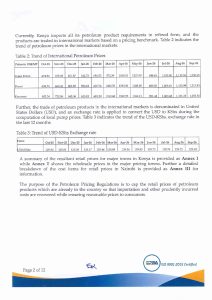
The increases reflect higher international petroleum costs. EPRA data showed the average landed cost of imported super petrol rising by 11.81% to $977.55 per cubic metre in September from $874.26 in August. Diesel costs increased by 11.32% to $1,065.38 per cubic metre, while kerosene rose by 9.41% to $1,098.31.
Higher fuel prices can increase freight and passenger transport expenses, raising costs for businesses that move goods and people. Diesel is widely used in trucking, agriculture and construction, while higher petrol prices can put pressure on public transport fares and the distribution costs of consumer goods. The extent to which these increases feed into food prices and other consumer costs will depend on how transport operators, suppliers and retailers adjust their charges.
Kenya’s exposure to international price movements is compounded by its reliance on imported refined petroleum products. EPRA data showed international prices in September rising to $1,300.65 per metric tonne for super petrol, $1,215.83 for diesel and $1,253.50 for kerosene, up from August levels.
Currency movements also influence import costs because petroleum products are traded in U.S. dollars. The average exchange rate used in EPRA’s calculations weakened to 129.91 Kenyan shillings per dollar in September from 129.72 in August, adding modestly to the cost pressure.
READ MORE :
Nigeria: Outsourcing the Presidency, One Infirmity at a Time
The government has retained a reduced value-added tax (VAT) rate of 8% on petrol, diesel and kerosene, compared with the standard rate of 16%, to cushion consumers against high international prices.
The reduced rate is reflected in the new pump prices, but it has not fully offset the increase in import costs.
EPRA said its pricing regulations were designed to cap retail prices while allowing importers and other operators to recover prudently incurred costs.
The latest adjustment highlights the challenge of balancing cost recovery across the fuel supply chain with the impact of higher energy prices on household purchasing power and business expenses.

Amanze Chinonye is a Staff Correspondent at Prime Business Africa, a rising star in the literary world, weaving captivating stories that transport readers to the vibrant landscapes of Nigeria and the rest of Africa. With a unique voice that blends with the newspaper's tradition and style, Chinonye's writing is a masterful exploration of the human condition, delving into themes of identity, culture, and social justice. Through her words, Chinonye paints vivid portraits of everyday African life, from the bustling markets of Nigeria's Lagos to the quiet villages of South Africa's countryside . With a keen eye for detail and a deep understanding of the complexities of Nigerian society, Chinonye's writing is both a testament to the country's rich cultural heritage and a powerful call to action for a brighter future. As a writer, Chinonye is a true storyteller, using her dexterity to educate, inspire, and uplift readers around the world.