Amanze Chinonye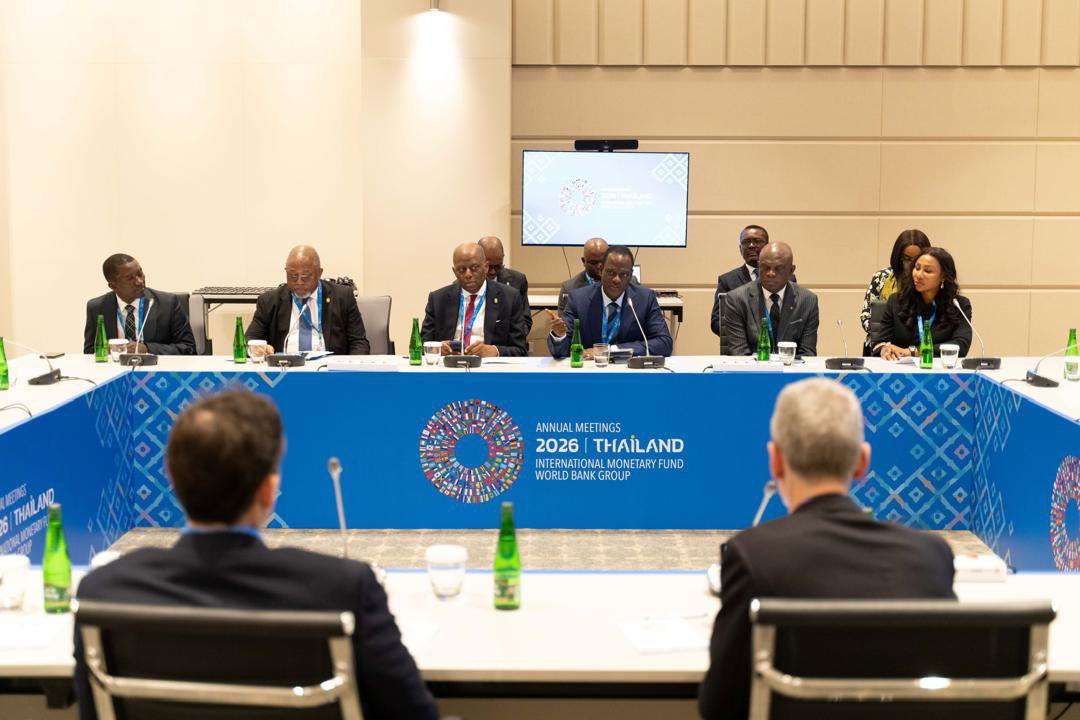
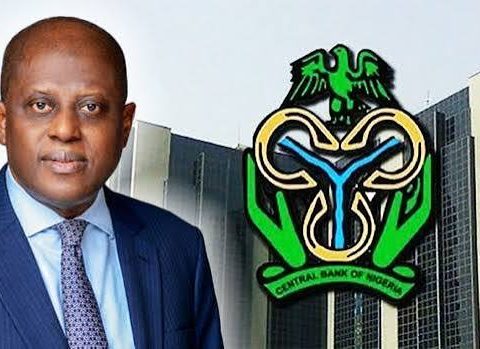
Central Bank of Nigeria Governor Olayemi Cardoso said Nigerians benefit from economic stability even when they do not immediately feel its effects, as the country shifts its focus towards attracting investment, deepening financial markets and sustaining economic growth.
Join our WhatsApp Channel
Cardoso made the remarks at the 2026 International Monetary Fund and World Bank annual meetings in Bangkok, where Nigerian officials held separate discussions with the leadership of both institutions on the country’s economic outlook and development priorities.
READ ALSO :
Cardoso Urges Youth to Embrace Innovation, Credibility at Inaugural CBN Governor’s Lecture
Cardoso and Finance Minister Taiwo Oyedele met IMF First Deputy Managing Director Dan Katz and World Bank President Ajay Banga on Monday, October 12, the CBN said in a statement.
Discussions with the IMF covered Nigeria’s macroeconomic outlook, policy priorities and opportunities for continued technical cooperation. Talks with the World Bank focused on development financing, private-sector participation, infrastructure, digital transformation and financial inclusion.
The CBN said its priorities increasingly centred on how macroeconomic stability could support a more resilient financial system, deeper and more efficient financial markets, stronger investor confidence and improved financial connectivity with the global economy.
Nigeria has pursued major economic reforms since 2023, including the removal of petrol subsidies, foreign-exchange market liberalisation and tighter monetary policy. The IMF said in a June assessment that the measures had helped reduce fiscal vulnerabilities and improve foreign-exchange market functioning, while warning that poverty and food insecurity remained significant challenges.
READ MORE :
Nigeria: Tracking Poverty and Hunger as Gauge for Economic Reforms?
Nigeria’s economy grew by 4.43% year-on-year in the second quarter of 2026, up from 3.89% in the first quarter, according to the National Bureau of Statistics. However, economic growth alone does not establish whether households have experienced a corresponding improvement in living standards.
Policymakers face the challenge of translating macroeconomic stability into sustained investment, employment and stronger purchasing power. Inflation, the cost of essential goods and access to affordable financing remain important factors shaping the effects of economic conditions on households and businesses.
The IMF–World Bank Annual Meetings run from October 12 to 18 in Bangkok, bringing together finance ministers, central bank governors and development officials to discuss global economic conditions, financing needs and development priorities.

Amanze Chinonye is a Staff Correspondent at Prime Business Africa, a rising star in the literary world, weaving captivating stories that transport readers to the vibrant landscapes of Nigeria and the rest of Africa. With a unique voice that blends with the newspaper's tradition and style, Chinonye's writing is a masterful exploration of the human condition, delving into themes of identity, culture, and social justice. Through her words, Chinonye paints vivid portraits of everyday African life, from the bustling markets of Nigeria's Lagos to the quiet villages of South Africa's countryside . With a keen eye for detail and a deep understanding of the complexities of Nigerian society, Chinonye's writing is both a testament to the country's rich cultural heritage and a powerful call to action for a brighter future. As a writer, Chinonye is a true storyteller, using her dexterity to educate, inspire, and uplift readers around the world.