 Amanze Chinonye
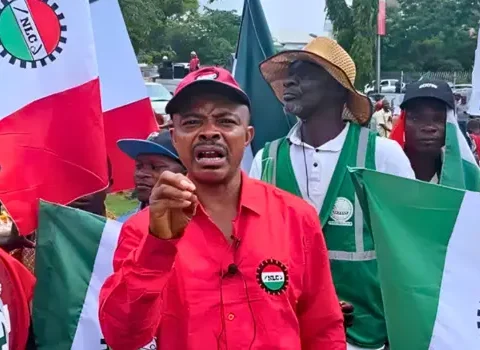
The Nigeria Labour Congress (NLC) has given the federal government two weeks to reduce petrol prices, begin negotiations for a new national minimum wage and implement outstanding agreements with workers, warning that failure to meet its demands could lead to further industrial action, Prime Business Africa reports.
Join our WhatsApp Channel
The ultimatum followed a meeting of the union’s leadership in Abuja, adding pressure on President Bola Tinubu’s administration to address workers’ concerns over rising living costs and unresolved labour disputes.
READ ALSO :
NLC Seeks Review of ₦70,000 Minimum Wage, Sets ₦500,000 Benchmark
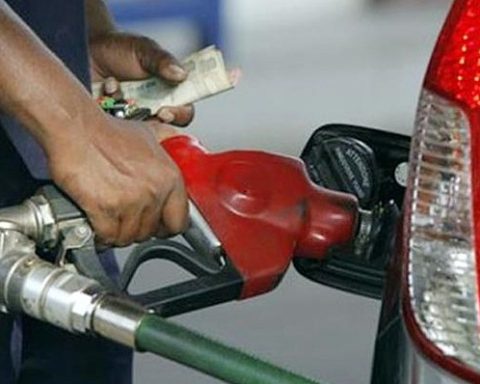
The NLC wants petrol prices reduced to the levels prevailing when Tinubu signed the current national minimum wage of ₦70,000 a month into law in July 2024. The union says rising fuel costs have increased transport fares and the prices of food and other essential goods, placing additional pressure on workers and low-income households.
It has also called for negotiations on a new minimum wage to begin before the end of October, arguing that inflation, naira depreciation and rising household expenses have eroded workers’ purchasing power. The union is seeking tax relief and immediate wage awards to help cushion the impact of higher living costs.
The NLC further demanded the implementation of a February 5, 2026, agreement involving the Joint Health Sector Unions and Assembly of Healthcare Professionals (JOHESU), alongside action on outstanding issues raised by the Joint Public Sector Negotiating Council.
The ultimatum comes as the government pursues measures to ease the impact of higher fuel costs. Finance Minister Taiwo Oyedele announced on Thursday a 30-day petrol discount programme through Nigerian National Petroleum Company Limited (NNPC) retail outlets, with priority for public transport operators. The arrangement is intended to allow NNPC Retail to sell petrol at cost during the programme.
READ MORE :
Oyedele also outlined a proposed ceiling of ₦1,350 per litre on petrol’s ex-gantry or landing cost. Under the proposed arrangement, refiners and importers would initially absorb costs above the ceiling and recover the difference when market conditions improved.
The government’s measures do not amount to a return to the petrol prices prevailing in July 2024, which the NLC is demanding. Nigeria ended its longstanding petrol subsidy in 2023, after which fuel prices rose sharply. Currency depreciation and broader inflationary pressures have further increased household expenses.
The latest ultimatum follows a three-day warning strike by public-sector workers earlier in October over rising living costs, wage awards and delays in minimum wage negotiations.
The NLC has not announced a specific date for another nationwide strike, saying further action would depend on the government’s response within the two-week deadline.

Amanze Chinonye is a Staff Correspondent at Prime Business Africa, a rising star in the literary world, weaving captivating stories that transport readers to the vibrant landscapes of Nigeria and the rest of Africa. With a unique voice that blends with the newspaper's tradition and style, Chinonye's writing is a masterful exploration of the human condition, delving into themes of identity, culture, and social justice. Through her words, Chinonye paints vivid portraits of everyday African life, from the bustling markets of Nigeria's Lagos to the quiet villages of South Africa's countryside . With a keen eye for detail and a deep understanding of the complexities of Nigerian society, Chinonye's writing is both a testament to the country's rich cultural heritage and a powerful call to action for a brighter future. As a writer, Chinonye is a true storyteller, using her dexterity to educate, inspire, and uplift readers around the world.