 Amanze Chinonye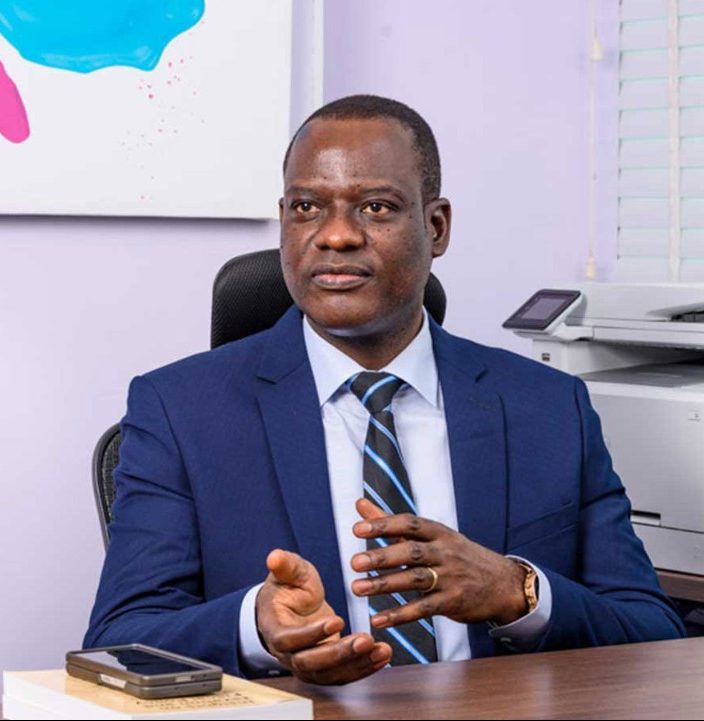
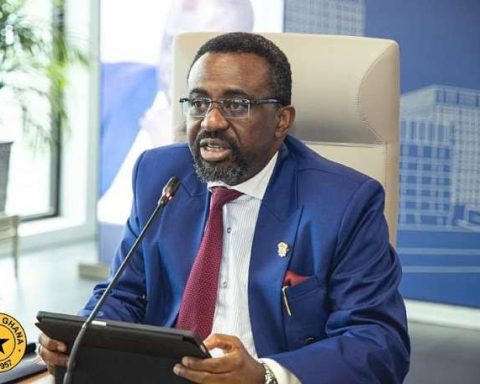
Nigeria’s Finance Minister Taiwo Oyedele on Wednesday urged the international community to make cheaper, long-term capital more available to African countries, saying high financing costs and currency risks were holding back investment in infrastructure and energy, Prime Business Africa reports.
Join our WhatsApp Channel
Oyedele made the call while addressing the United Nations Dialogue on Solutions to Climate Finance on the margins of the 81st Session of the United Nations General Assembly in New York.
He said Africa’s development ambitions, particularly its energy needs, were constrained by the high cost of financing and limited access to affordable long-term capital.
READ ALSO :
United Capital Strengthens Board to Accelerate African Infrastructure
The minister said the continent faced additional financing burdens despite its relatively low contribution to global carbon emissions. He described these as a “prejudice premium” and “narrative cost”, while identifying currency risk and what he called a “stereotype tax” as further obstacles to mobilising capital for critical infrastructure.
Oyedele called for a shift in the global approach to climate finance, including simpler access to affordable funding for developing countries and financing arrangements that better reflect their development needs and economic realities.
He also urged increased investment in gas and other transition energy sources in Africa to expand access to reliable and affordable energy while supporting the continent’s transition towards cleaner sources.
Greater investment in Africa’s energy sector could also help diversify global energy supplies and reduce concentration risks, particularly amid disruptions affecting the Gulf region, he said.
Oyedele said Africa’s energy transition must take account of the continent’s significant energy-access deficit, requiring investment that enables countries to meet immediate development needs while moving towards cleaner energy sources.
READ MORE :
Sahara Group Seeks Greater Investment to Unlock Africa’s Energy Potential
For Nigeria, he said the priority was to implement policies and programmes that reduce poverty, expand economic opportunities and accelerate the distribution of shared prosperity.
He said stronger international cooperation and financing frameworks would be essential to mobilising the capital needed to close Africa’s infrastructure gaps and support broader development.

Amanze Chinonye is a Staff Correspondent at Prime Business Africa, a rising star in the literary world, weaving captivating stories that transport readers to the vibrant landscapes of Nigeria and the rest of Africa. With a unique voice that blends with the newspaper's tradition and style, Chinonye's writing is a masterful exploration of the human condition, delving into themes of identity, culture, and social justice. Through her words, Chinonye paints vivid portraits of everyday African life, from the bustling markets of Nigeria's Lagos to the quiet villages of South Africa's countryside . With a keen eye for detail and a deep understanding of the complexities of Nigerian society, Chinonye's writing is both a testament to the country's rich cultural heritage and a powerful call to action for a brighter future. As a writer, Chinonye is a true storyteller, using her dexterity to educate, inspire, and uplift readers around the world.