 Amanze Chinonye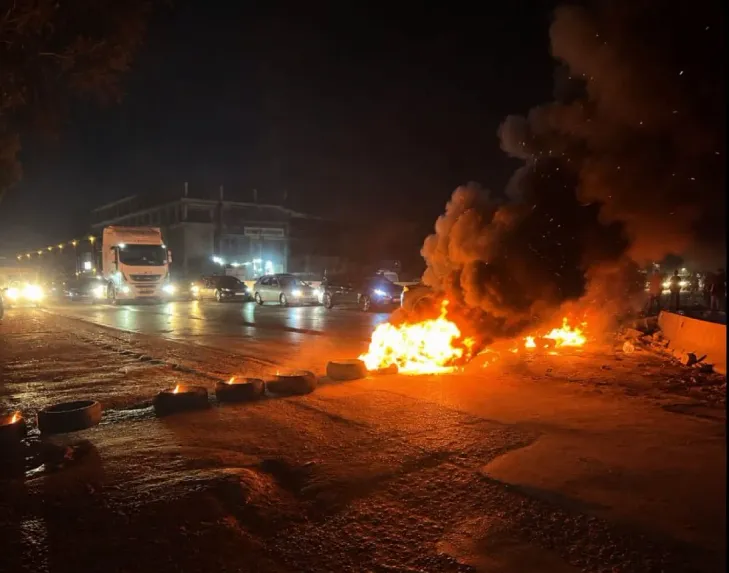
Protesters blocked roads and burned tyres in several parts of Libya’s capital, Tripoli, on Tuesday, as anger over prolonged electricity outages and deteriorating public services continued to grow, Prime Business Africa reports.
Join our WhatsApp Channel
The latest demonstrations follow weeks of unrest triggered by worsening power cuts across Tripoli and other parts of western Libya. In some areas, outages have lasted up to 20 hours, according to municipal officials in the Hay al-Andalus district, who have called for urgent action to address the crisis.
READ ALSO :
Earlier demonstrations spread across districts including Tajoura, Souq al-Jumaa, Janzour, Zawiyat al-Dahmani and Al-Dhahra, where protesters blocked intersections and set tyres ablaze. Demonstrators also barricaded government and state institutions as part of a civil disobedience campaign.
The protests have expanded beyond demands for reliable electricity. Demonstrators have also criticised deteriorating public services and called for the removal of the Government of National Unity led by Prime Minister Abdul Hamid Dbeibah, turning the power crisis into a broader expression of dissatisfaction with Libya’s political leadership.
Libya’s electricity shortages have been exacerbated by an intense summer heatwave, placing additional pressure on an ageing power network. The General Electricity Company of Libya (GECOL) has faced challenges maintaining generation and transmission capacity, while security incidents and technical problems have delayed work at some power facilities.
READ MORE :
NERC Unveils Power Outage Reporting App, Begins With Abuja DisCo
The crisis has also raised concerns about the stability of the national grid. GECOL has warned that interference with electricity infrastructure could cause further damage and increase the risk of a wider power failure.
The unrest underscores the difficulties facing Libya’s divided political system, where years of conflict, institutional fragmentation and infrastructure problems have undermined the delivery of basic services.
For residents, the prolonged blackouts have become a symbol of wider frustration with living conditions and governance. As protests continue to flare, authorities face mounting pressure to restore a more reliable electricity supply and address grievances that have increasingly moved beyond the power sector.

Amanze Chinonye is a Staff Correspondent at Prime Business Africa, a rising star in the literary world, weaving captivating stories that transport readers to the vibrant landscapes of Nigeria and the rest of Africa. With a unique voice that blends with the newspaper's tradition and style, Chinonye's writing is a masterful exploration of the human condition, delving into themes of identity, culture, and social justice. Through her words, Chinonye paints vivid portraits of everyday African life, from the bustling markets of Nigeria's Lagos to the quiet villages of South Africa's countryside . With a keen eye for detail and a deep understanding of the complexities of Nigerian society, Chinonye's writing is both a testament to the country's rich cultural heritage and a powerful call to action for a brighter future. As a writer, Chinonye is a true storyteller, using her dexterity to educate, inspire, and uplift readers around the world.