 Amanze Chinonye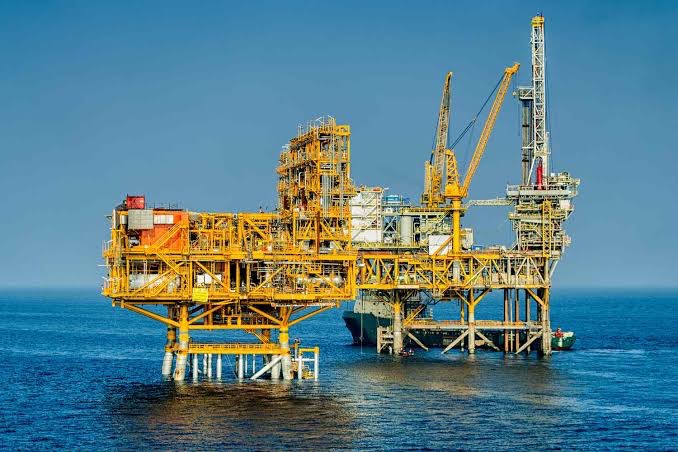
Nigeria expects 22 major offshore oil and gas projects to attract between $30 billion and $50 billion in investment between 2026 and 2030, as the country seeks to revive upstream investment, increase production and strengthen its position in the global energy market.
Join our WhatsApp Channel
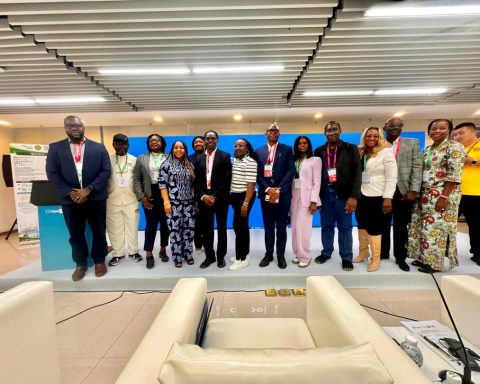
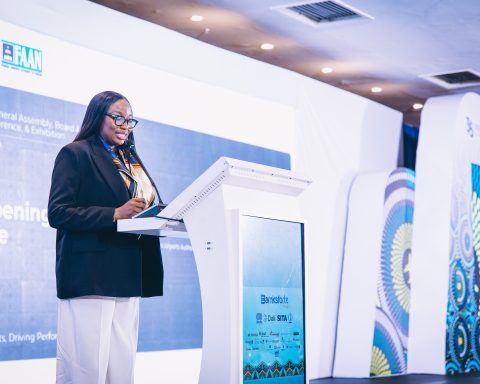
The Nigerian Upstream Petroleum Regulatory Commission (NUPRC) disclosed the investment outlook at the Society of Petroleum Engineers’ Nigeria Annual International Conference and Exhibition in Lagos.
READ ALSO :
Uganda, Tanzania Sign Strategic MoU to Develop Tanga Energy Hub
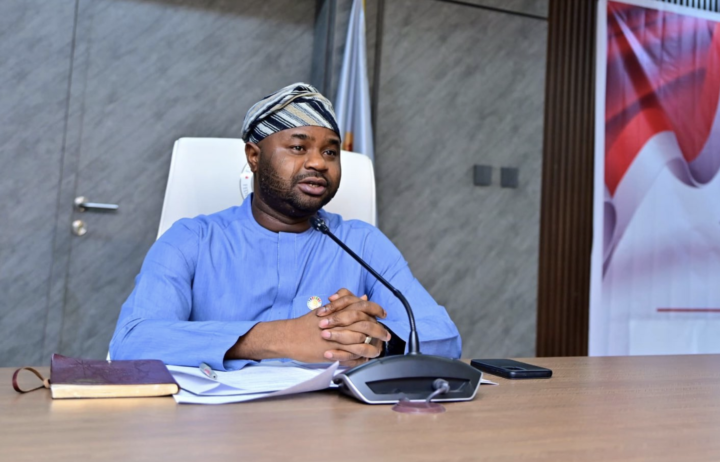
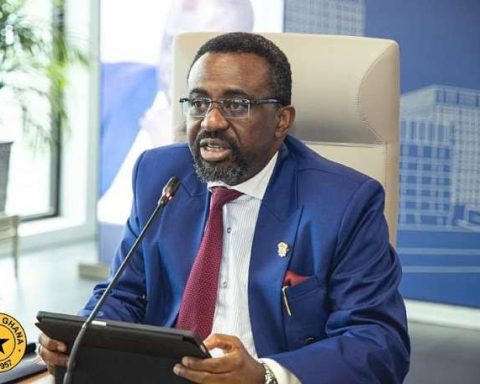
NUPRC Chief Executive Oritsemeyiwa Eyesan, represented at the conference by Executive Commissioner, Development and Production, Enorense Amadasu, said the projects formed part of a broader pipeline of upstream developments supported by recent regulatory interventions.
“Since 2024, the NUPRC has approved over US$57 billion in Field Development Plans (FDPs), some of which have translated to Final Investment Decisions,” Eyesan said.
She said the 22 offshore projects were expected to increase oil and gas production, create jobs, expand infrastructure and strengthen energy security.
The projected investment comes as Nigeria seeks to reverse years of weak capital inflows into its upstream sector, despite having some of Africa’s largest proven oil and gas reserves. Production has been constrained by ageing infrastructure, project delays, security challenges and difficulties in bringing new developments into commercial production.
Eyesan said the commission was also building a pipeline of exploration opportunities to support long-term production growth and energy security.
She cited licensing rounds conducted since 2022 as part of efforts to open up prospective oil and gas acreage to investors. In the 2025 licensing round, 31 companies emerged as successful bidders for 37 oil and gas blocks following a data-driven and technology-enabled evaluation process.
Preparations for the 2026 licensing round are already underway, with the NUPRC seeking to build on what it described as increased transparency and investment certainty in recent licensing exercises.
“With preparations already underway for the 2026 Licensing Round, Nigeria is demonstrating that investment certainty is no longer an aspiration; it is becoming an enduring feature of our regulatory framework,” Eyesan said.
Infrastructure remains a major constraint to unlocking Nigeria’s hydrocarbon potential, particularly in the gas sector. The NUPRC said it was addressing the gap through the expansion of gas-gathering systems, processing facilities, pipelines and export infrastructure.
The regulator is also promoting shared facilities, open access, third-party access and field tiebacks to reduce development costs, accelerate project delivery and bring stranded oil and gas resources into production.
READ MORE :
Eyesan also attributed improvements in the protection of critical energy infrastructure to stronger collaboration among government agencies, security organisations, operators, host communities and private-sector partners.
She said the Host Community Development Trust had further contributed to greater resilience across the upstream sector.
The success of the investment drive will ultimately depend on how quickly approved development plans translate into final investment decisions, construction activity and production.
For Nigeria, converting the projected investment pipeline into operating projects could boost crude and gas output, government revenues, employment and energy security.
Turning the projected investment into producing assets will be critical to Nigeria’s efforts to raise oil and gas output, attract sustained capital inflows and strengthen government revenues. The pace of project execution will also determine whether the regulatory reforms can translate into a durable recovery in upstream investment and reinforce Nigeria’s competitiveness in the global energy market.

Amanze Chinonye is a Staff Correspondent at Prime Business Africa, a rising star in the literary world, weaving captivating stories that transport readers to the vibrant landscapes of Nigeria and the rest of Africa. With a unique voice that blends with the newspaper's tradition and style, Chinonye's writing is a masterful exploration of the human condition, delving into themes of identity, culture, and social justice. Through her words, Chinonye paints vivid portraits of everyday African life, from the bustling markets of Nigeria's Lagos to the quiet villages of South Africa's countryside . With a keen eye for detail and a deep understanding of the complexities of Nigerian society, Chinonye's writing is both a testament to the country's rich cultural heritage and a powerful call to action for a brighter future. As a writer, Chinonye is a true storyteller, using her dexterity to educate, inspire, and uplift readers around the world.