 Amanze Chinonye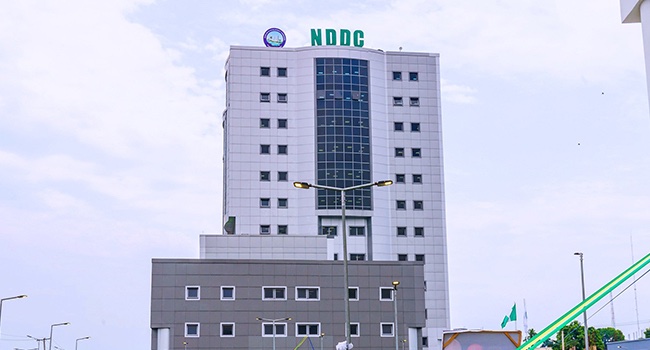
Oil and gas companies operating in Nigeria remitted $6.755 billion and ₦1.529 trillion in statutory contributions to the Niger Delta Development Commission (NDDC) between 2021 and 2025, but still have outstanding obligations of $290 million and ₦163 billion, according to Figures presented to the Senate.
The figures were presented during an investigative hearing by the Senate Committee on Public Accounts into audit reports of the Nigerian Extractive Industries Transparency Initiative (NEITI) covering the 2021–2023 period.
Join our WhatsApp ChannelWhile the committee’s inquiry is focused on NEITI’s audit findings, the NDDC submitted an updated breakdown of statutory contributions from oil and gas operators, extending beyond the period covered by the reports.
READ ALSO :
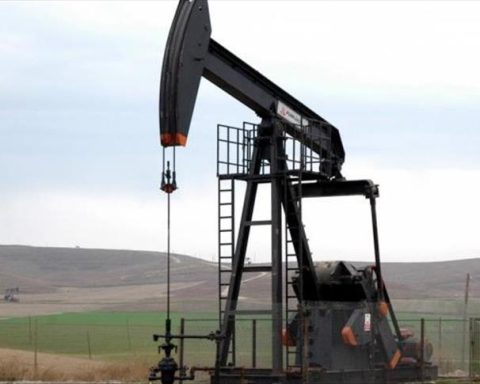
The payments represent the mandatory three per cent statutory contribution required from upstream oil and gas companies under the NDDC Act. The funds are intended to support infrastructure development, environmental remediation and socio-economic projects across the Niger Delta, the region that hosts Nigeria’s oil and gas operations.
The NDDC delegation, led by Executive Director, Corporate Services, Ifedayo Abegunde, who represented Managing Director Samuel Ogbuku, informed lawmakers that despite the substantial payments made by operators, significant liabilities remained outstanding.
The Senate Public Accounts Committee, chaired by Senator Ibrahim Dankwambo (Gombe North), is examining audit queries raised by the Office of the Auditor-General of the Federation on revenue management, compliance and financial accountability within Nigeria’s extractive industries.
At the hearing, the Revenue Mobilisation Allocation and Fiscal Commission (RMAFC) also raised concerns over deductions from Nigeria’s oil revenues and the financial impact of fuel subsidy payments.
RMAFC Chairman Mohammed Shehu disclosed that the Federal Government spent ₦1.16 trillion on fuel subsidy in 2021, while an additional ₦1.20 trillion was deducted from federation crude oil sales proceeds during the same period.
Shehu said other deductions from crude oil revenue included ₦16.20 billion for crude and petroleum product losses, ₦22.05 billion for pipeline repairs and ₦6.75 billion for strategic stock holding.
He said the deductions placed additional pressure on public finances and highlighted the need for greater transparency and efficiency in the management of revenues generated from the oil sector.
READ MORE :
The RMAFC chairman also expressed concerns over the current methodology used in calculating the 13 per cent derivation fund, arguing that the existing approach does not fully align with the constitutional objective of rewarding oil-producing states for their contribution to national revenue.
The disclosures come as lawmakers intensify scrutiny of Nigeria’s extractive sector, with a focus on improving revenue accountability, strengthening compliance among operators and ensuring that oil wealth delivers greater economic benefits to host communities and the wider economy.

Amanze Chinonye is a Staff Correspondent at Prime Business Africa, a rising star in the literary world, weaving captivating stories that transport readers to the vibrant landscapes of Nigeria and the rest of Africa. With a unique voice that blends with the newspaper's tradition and style, Chinonye's writing is a masterful exploration of the human condition, delving into themes of identity, culture, and social justice. Through her words, Chinonye paints vivid portraits of everyday African life, from the bustling markets of Nigeria's Lagos to the quiet villages of South Africa's countryside . With a keen eye for detail and a deep understanding of the complexities of Nigerian society, Chinonye's writing is both a testament to the country's rich cultural heritage and a powerful call to action for a brighter future. As a writer, Chinonye is a true storyteller, using her dexterity to educate, inspire, and uplift readers around the world.