 MARCEL MBAMALU
The US International Development Finance Corporation (DFC) is ramping up investment in Southeast Asia, with a mandate to deploy $205 billion globally toward supply chains, energy, and infrastructure projects.
Speaking at a virtual press briefing hosted by the US Department of State’s Asia Pacific Media Hub on July 7, 2026, DFC Chief Policy Officer Caroline Vik said the agency had just completed a business development tour across six countries: the Philippines, Vietnam, Cambodia, Laos, Malaysia, and Indonesia.
READ ALSO: US Lists 124 Nigerians for Deportation, Calls Them ‘Worst-of-the-Worst’ Criminals
Join our WhatsApp ChannelDFC is the US government’s international strategic investment arm. It works with private sector partners through debt, equity, political risk insurance, loan guarantees, and early-stage project development funds.
Three core objectives
Vik outlined DFC’s focus areas for the region:
1. Diversified supply chains for critical materials including critical minerals, semiconductors, batteries, magnets, pharmaceuticals, and agricultural inputs like fertilizer.
2. Strategic sectors such as energy, advanced manufacturing, AI, fintech and financial services.
3. Critical infrastructure including ports, airports, rail, roads, telecom, terrestrial fiber, subsea cables, and data centers.
These fall under DFC’s seven priority sectors: energy, critical minerals, transport infrastructure, digital infrastructure, financial services, healthcare, and agriculture.
“Our goal is to be the region’s best partner and first call,” Vik said. “If there are high-priority projects that governments want to do, we want to hear about them and we want to try to support wherever possible.”
Country engagements
In the Philippines, DFC discussed major infrastructure and energy projects with Maharlika Investment Corporation, the National Security Council, and the Bases Conversion and Development Authority. Talks also covered minerals processing, subsea cables, grid modernization, ports, and airports. Vik noted strong interest in the Luzon Economic Corridor and Pax Silica initiative to strengthen critical mineral supply chains. DFC said it is identifying potential financing opportunities but has no pledges to announce yet.
In Vietnam, discussions centered on critical minerals, semiconductors, and grid modernization to lower energy costs. DFC also met telecom firms on building networks with “trusted vendors.”
In Cambodia, Vik attended the signing ceremony for DFC financing of Phnom Penh’s new international airport. Meetings with the Council for the Development of Cambodia and Ministry of Mines and Energy also covered ports, maritime connectivity, power generation, gas, mobile networks, fiber, and data centers.
In Laos, government officials outlined plans for new rail lines, expressways, and solutions to seasonal power variance and electricity exports. Energy, mining and transport opportunities were also discussed with the private sector.
In Malaysia, DFC met ministries covering finance, trade, investment, transport and natural resources. Priorities included semiconductors, critical minerals processing, energy security, and agricultural security. Talks with telecom operators focused on the privatization of the national 5G grid.
In Indonesia, the government highlighted energy security through upstream exploration, energy storage, transport infrastructure, new ports, and critical minerals mining and processing. Private sector meetings also flagged opportunities in nuclear energy and financial services.
Financing approach
Vik clarified that DFC does not lend directly to governments. “Our investments are always with private sector entities,” she said. “We don’t have any sort of quota or cap… it’s really just about finding projects that are strategically aligned with our priority sectors, that are commercially viable.”
On critical minerals, she said building diversified “pit to port to processing to product” supply chains is a top goal. On AI, Vik said DFC is seeing “enormous demand for American AI” and stands ready to finance digital infrastructure with trusted vendors.
DFC expects to advance a pipeline of projects across Southeast Asia over the next 24 months. For Malaysia, Vik said the agency hopes to announce its first DFC-backed investment within 12 months.
The agency’s push comes as the US seeks to deepen economic ties in the region amid competition over supply chains and technology infrastructure.

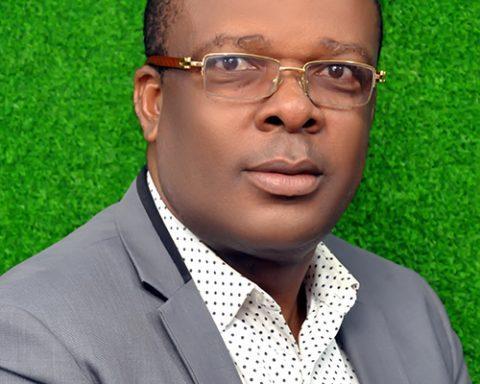
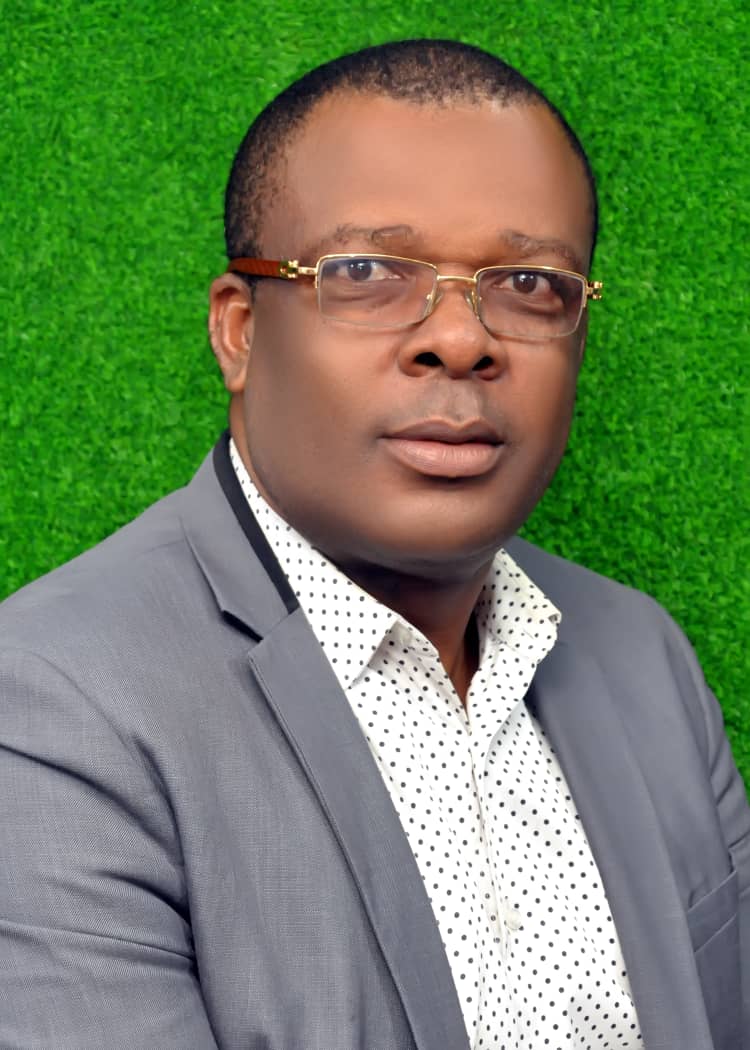
Dr. Marcel Mbamalu is a distinguished communication scholar, journalist, and entrepreneur with three decades of experience in the media industry. He holds a Ph.D. in Mass Communication from the University of Nigeria, Nsukka, and serves as the publisher of Prime Business Africa, a renowned multimedia news platform catering to Nigeria and Africa's socio-economic needs.
Dr. Mbamalu's journalism career spans over two decades, during which he honed his skills at The Guardian Newspaper, rising to the position of senior editor. Notably, between 2018 and 2023, he collaborated with the World Health Organization (WHO) in Northeast Nigeria, training senior journalists on conflict reporting and health journalism.
Dr. Mbamalu's expertise has earned him international recognition. He was the sole African representative at the 2023 Jefferson Fellowship program, participating in a study tour of the United States and Asia (Japan and Hong Kong) on inclusion, income gaps, and migration issues.
In 2020, he was part of a global media team that covered the United States presidential election.
Dr. Mbamalu has attended prestigious media trainings, including the Bloomberg Financial Journalism Training and the Reuters/AfDB Training on "Effective Coverage of Infrastructural Development in Africa."
As a columnist for The Punch Newspaper, with insightful articles published in other prominent Nigerian dailies, including ThisDay, Leadership, The Sun, and The Guardian, Dr. Mbamalu regularly provides in-depth analysis on socio-political and economic issues.