 Amanze Chinonye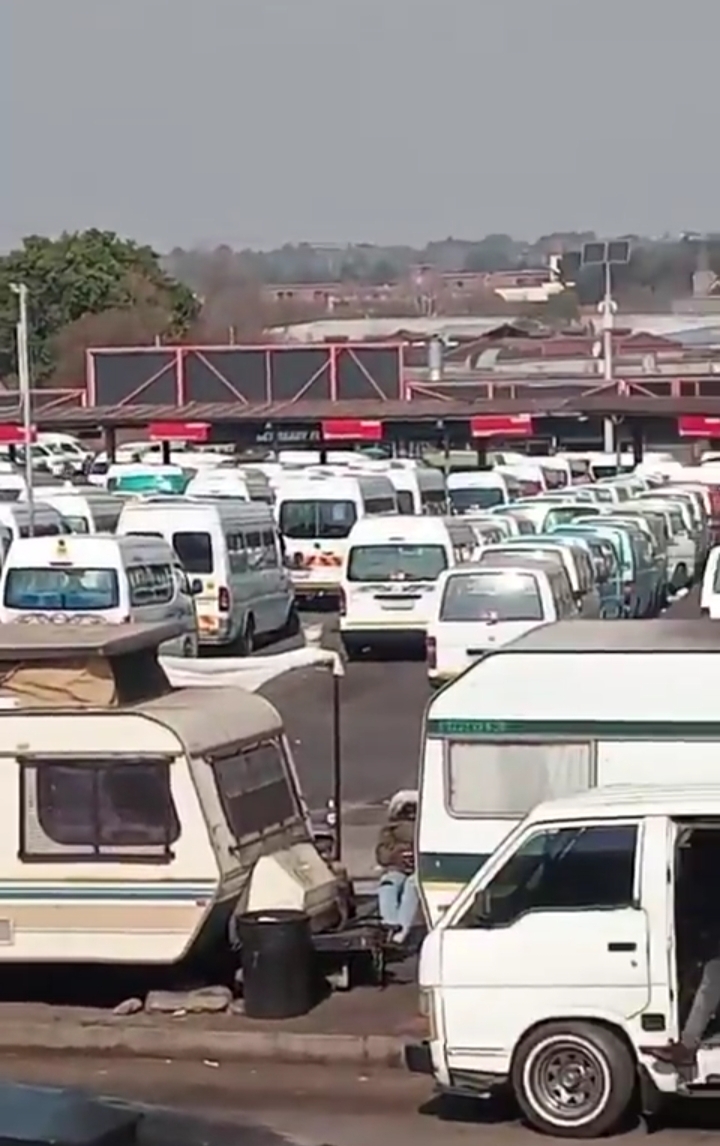
South Africa’s taxi industry has warned that escalating anti-immigration protests could trigger economic disruptions, undermine regional trade and expose South African businesses and transport operators to retaliatory actions across the continent, highlighting the growing economic stakes in the country’s immigration debate,Prime Business Africa reports.
The warning comes amid a surge in demonstrations organised by the March and March movement, which has been campaigning for stricter enforcement of immigration laws and the removal of undocumented migrants from South Africa.
The South African National Taxi Council (SANTACO) said while concerns over illegal immigration are legitimate, they must be addressed through lawful and constructive means to avoid unintended consequences for an economy that relies heavily on the movement of people, goods and services.
Join our WhatsApp ChannelREAD ALSO :
Ramaphosa Unveils Tougher Migration Strategy, Vows Crackdown on Illegal Immigration
SANTACO National Spokesperson Mmatshikhidi Rebecca Phala said the industry was increasingly concerned that the protests could provoke backlash against South African transport operators and businesses operating elsewhere on the continent.
“We definitely have that fear,” Phala said, referring to the possibility of retaliatory measures in neighbouring countries.
The concern reflects the broader significance of the issue beyond immigration enforcement. South Africa serves as a major transport and commercial hub in the region, and any disruption to cross-border mobility could affect trade flows, tourism, labour movement and business operations across Southern Africa.
The industry’s fears gained traction following reports of protests in Ghana, where demonstrators under the banner of the Ghana First Alliance called for South African-linked businesses to leave the country. Protesters directed criticism at several prominent South African companies operating in Ghana, including MTN, DStv and Gold Fields’ Tarkwa mining operations.
According to Phala, the developments underscore the reputational and economic risks that could emerge if anti-migrant sentiment continues to escalate.
“When you are moving people, you are moving work resources, which is why we urge the government to work as hard as possible to ensure that by the time June 30 comes, we do not have any action that could contribute to the reputational damage that has already been seen,” she said.
“If not handled carefully, these demonstrations could very well have a ripple effect.”
SANTACO’s concerns are informed by past experiences. In 2019, the Zimbabwe Cross Border Transport Association threatened to bar South African truck drivers from entering Zimbabwe following violent protests targeting foreign truck drivers in South Africa.
The council warned that similar reactions could occur elsewhere if tensions surrounding immigration continue to intensify.
In a statement, SANTACO described the transport sector as a critical enabler of economic activity, connecting workers to jobs, learners to schools, patients to healthcare facilities and businesses to markets. The council noted that millions of South Africans depend on minibus taxis daily, while the industry also facilitates the movement of traders, tourists, workers and families throughout the Southern African Development Community (SADC) region.
It cautioned that actions capable of discouraging travel, disrupting transport services or creating perceptions of instability could have far-reaching consequences for tourism, regional integration, trade and economic growth.
The warning comes as South African authorities step up immigration enforcement operations. Reports indicate that more than 2,400 foreign nationals have been repatriated ahead of a June 30 deadline cited by anti-illegal immigration campaigners.
Law enforcement agencies have also intensified operations along key transport corridors. Limpopo Traffic Police head Allen Mtsila recently confirmed that authorities intercepted several buses and minibus taxis transporting undocumented migrants along the N1 corridor from the Beitbridge Border Post. Those apprehended were subsequently handed over to the South African Police Service and the Department of Home Affairs.
READ MORE :
WHO Chief Says Xenophobic Attacks Threaten South Africa’s Moral Standing in Africa
Despite the increased enforcement efforts, Phala rejected suggestions that South African taxi operators were deliberately transporting undocumented migrants into the country.
“The borders have the Border Management Authority, which is expected to verify the documentation of everybody travelling through ports of entry,” she said.
“It would be incredibly difficult for us to say that South African taxi drivers might be using vehicles to bring people into the country illegally.”
March and March leader Jacinta Ngobese-Zuma also dismissed suggestions that the campaign’s activities could justify retaliatory actions against South African businesses or transport operators abroad.
She maintained that the movement is focused on ensuring compliance with existing immigration laws and rejected claims that its demonstrations are characterised by violence.
“We cannot be stopped from enforcing our immigration laws because of fear that there is going to be retaliation,” Ngobese-Zuma said.
South Africa has witnessed a rise in anti-immigration sentiment in recent months, driven by concerns over unemployment, pressure on public services and border security. While there is no data on the significant nationwide economic impact, industry stakeholders warn that prolonged tensions and disruptions to cross-border mobility could carry substantial economic costs for South Africa and the wider region.
For transport operators and businesses, the concern is not only about immigration policy but also about safeguarding the trade links, tourism flows and regional partnerships that underpin economic activity across Southern Africa.

Amanze Chinonye is a Staff Correspondent at Prime Business Africa, a rising star in the literary world, weaving captivating stories that transport readers to the vibrant landscapes of Nigeria and the rest of Africa. With a unique voice that blends with the newspaper's tradition and style, Chinonye's writing is a masterful exploration of the human condition, delving into themes of identity, culture, and social justice. Through her words, Chinonye paints vivid portraits of everyday African life, from the bustling markets of Nigeria's Lagos to the quiet villages of South Africa's countryside . With a keen eye for detail and a deep understanding of the complexities of Nigerian society, Chinonye's writing is both a testament to the country's rich cultural heritage and a powerful call to action for a brighter future. As a writer, Chinonye is a true storyteller, using her dexterity to educate, inspire, and uplift readers around the world.