 Amanze Chinonye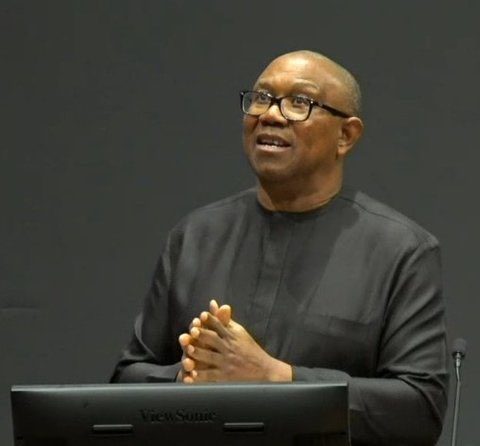
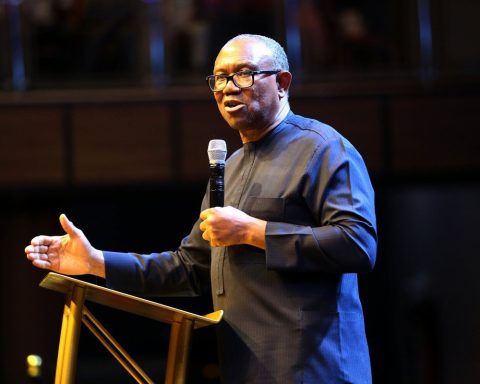
Former Anambra State governor, Peter Obi, has explained his decision to leave the African Democratic Congress, citing what he described as a toxic political environment and worsening internal challenges within the party, Prime Business Africa reports.
In a personally worded statement released on Sunday, Obi said his decision was not driven by personal grievances against key figures within the party but by broader systemic issues affecting Nigeria’s political space.
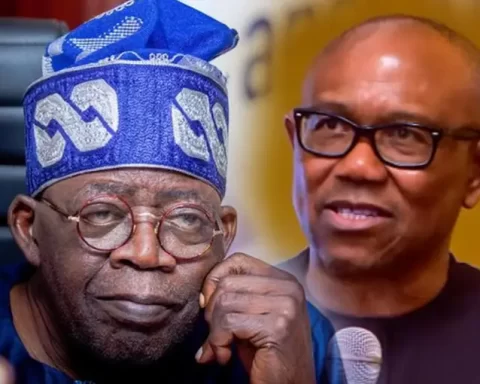
He clarified that his exit was not due to any mistreatment by the party’s leadership, including former Senate President David Mark, or former Vice President Atiku Abubakar, both of whom he described as respected leaders.
Join our WhatsApp Channel“Let me state clearly: my decision to leave the ADC is not because our highly respected Chairman, Senator David Mark, treated me badly, nor because my leader and elder brother, Alhaji Atiku Abubakar, or any other respected leaders did anything personally wrong to me,” Obi said.
READ ALSO :
Obidient Movement Urges Calm as Obi Holds High-Level Political Consultations
However, he alleged that the same systemic pressures and political interference that led to his departure from the Labour Party were beginning to manifest within the ADC.
“The same Nigerian state and its agents that created unnecessary crises and hostility within the Labour Party that forced me to leave now appear to be finding their way into the ADC, with endless court cases, internal battles, suspicion, and division,” he stated.
READ MORE :
Obi, Kwankwaso to Unveil New Political Platform Monday Amid Coalition Uncertainty
Obi described Nigeria’s political environment as increasingly hostile, marked by intimidation, insecurity, and discouragement, adding that even within political alliances, trust and solidarity were often undermined.
“We now live in an environment that has become increasingly toxic, where the very system that should protect and create opportunities for decent living often works against the people,” he said.
He also lamented what he characterised as a culture where humility and integrity are undervalued, while public service is frequently met with suspicion and criticism.
READ ALSO :
Kwankwaso Denies Decision on ADC Future, Says Consultations Ongoing Amid Party Crisis
Reflecting on his personal philosophy, Obi maintained that leadership should be anchored on service, sacrifice, and uplifting others, rather than the pursuit of power or privilege.
“I have never used privilege, position, or resources to oppress others, intimidate the weak, or make people feel small. To me, leadership has always been about service,” he said.
The former governor stressed that his political ambition was not driven by a quest for office, but by a desire to see improvements in security, welfare, and living conditions for Nigerians.
“Let me assure all that I am not desperate to be President, Vice President, or Senate President. I am desperate to see a society that can console a mother whose child has been kidnapped or killed… a Nigeria where people will not live in IDP camps but in their homes,” he said.
Despite the challenges, Obi reaffirmed his commitment to Nigeria’s future, expressing confidence that the country could still achieve competent leadership built on justice, compassion, and equal opportunity.
His statement comes amid intensifying political manoeuvring and shifting alliances among opposition figures ahead of the 2027 general elections, with uncertainty continuing to surround the future of emerging coalitions.

Amanze Chinonye is a Staff Correspondent at Prime Business Africa, a rising star in the literary world, weaving captivating stories that transport readers to the vibrant landscapes of Nigeria and the rest of Africa. With a unique voice that blends with the newspaper's tradition and style, Chinonye's writing is a masterful exploration of the human condition, delving into themes of identity, culture, and social justice. Through her words, Chinonye paints vivid portraits of everyday African life, from the bustling markets of Nigeria's Lagos to the quiet villages of South Africa's countryside . With a keen eye for detail and a deep understanding of the complexities of Nigerian society, Chinonye's writing is both a testament to the country's rich cultural heritage and a powerful call to action for a brighter future. As a writer, Chinonye is a true storyteller, using her dexterity to educate, inspire, and uplift readers around the world.