 Amanze Chinonye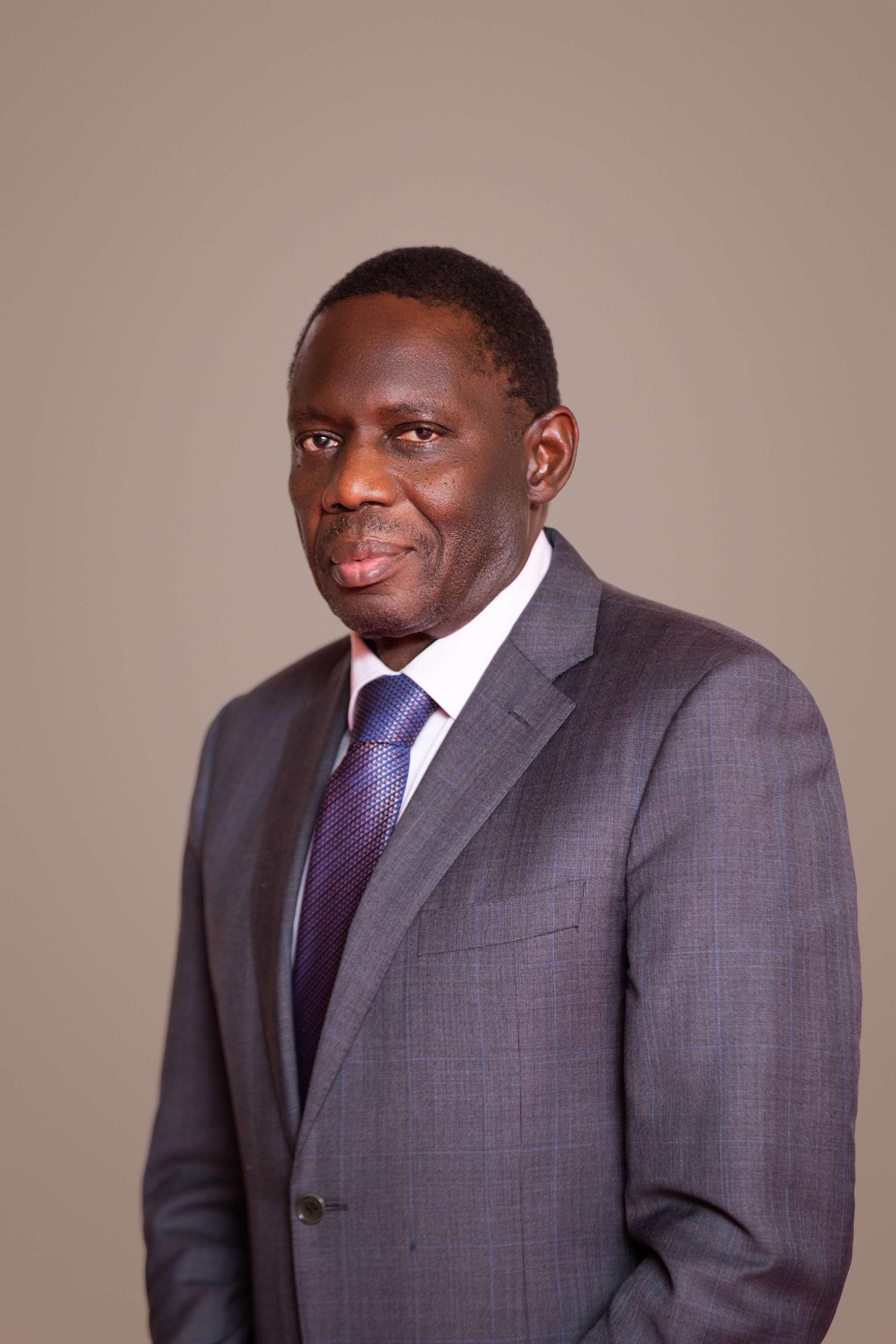
Uganda’s central bank has raised alarm over the proposed Protection of Sovereignty Bill, 2026, warning lawmakers that its provisions could destabilise the economy, weaken the currency, and drive up inflation, Prime Business Africa reports.
Governor Michael Atingi-Ego, who appeared before Parliament on Tuesday, April 28, 2026, told a joint sitting of the Defence and Internal Affairs Committee and the Legal and Parliamentary Affairs Committee that the bill poses significant risks to Uganda’s financial system and external stability.
“Chairman, a country without reserves is not sovereign,” Atingi-Ego said, noting that Uganda’s reserves stand at about $6 billion, supported by steady inflows of foreign investment, remittances, and development financing.
Join our WhatsApp ChannelHe warned that any disruption to these inflows could reverse recent gains, including a $1.5 billion balance of payments surplus recorded in the last financial year.
“The moment you tamper with these inflows here, we risk running down our reserves, and that is economic disaster for a country,” he said.
READ ALSO :
Foreign Direct Investment in East Africa at Risk as Corruption in Uganda Comes Under Global Scrutiny
The proposed Protection of Sovereignty Bill 2026 seeks to regulate foreign influence and funding, including requiring registration of individuals and entities deemed “foreign agents” and imposing restrictions on certain financial inflows.
However, the governor cautioned that key provisions could trigger capital flight, undermine investor confidence, and introduce what he described as “radical uncertainty” into the economy.
Atingi-Ego highlighted concerns over the bill’s broad definition of “foreign agents,” warning it could affect remittances from Ugandans abroad estimated at about $1.5 billion thereby weakening foreign exchange liquidity and increasing pressure on the shilling.
He also pointed to proposed limits on foreign financial support without ministerial approval, arguing that such restrictions could constrain capital flows, disrupt banking operations, and affect access to international financial systems.
READ MORE :
Uganda Development Bank hosts high-level meeting on climate finance at COP 29
The governor further warned that reduced foreign exchange inflows would likely lead to depreciation of the currency, raising the cost of imports and fueling inflation.
“Because of the depreciation of the currency that is likely to occur as an unintended consequence of this Bill, we are likely to have a depreciated currency and the pass-through of imported items into domestic prices is going to raise prices significantly,” he said.
Uganda’s inflation rate has recently hovered around 3 percent, below the central bank’s 5 percent target, but Atingi-Ego cautioned that this stability could be undermined if the bill is passed in its current form.
“This inflation of 3% we have been enjoying is likely to be compromised through currency depreciation,” he added.
He also warned that certain provisions could have a chilling effect on economic research and financial transparency, potentially increasing investor uncertainty.
Atingi-Ego urged lawmakers to review contentious clauses and safeguard policy predictability, warning that Uganda’s long-term growth ambitions depend on sustained access to global capital and a stable financial system.
The debate over the bill continues in Parliament, with economic and regulatory implications now at the centre of deliberations.

Amanze Chinonye is a Staff Correspondent at Prime Business Africa, a rising star in the literary world, weaving captivating stories that transport readers to the vibrant landscapes of Nigeria and the rest of Africa. With a unique voice that blends with the newspaper's tradition and style, Chinonye's writing is a masterful exploration of the human condition, delving into themes of identity, culture, and social justice. Through her words, Chinonye paints vivid portraits of everyday African life, from the bustling markets of Nigeria's Lagos to the quiet villages of South Africa's countryside . With a keen eye for detail and a deep understanding of the complexities of Nigerian society, Chinonye's writing is both a testament to the country's rich cultural heritage and a powerful call to action for a brighter future. As a writer, Chinonye is a true storyteller, using her dexterity to educate, inspire, and uplift readers around the world.