 MARCEL MBAMALU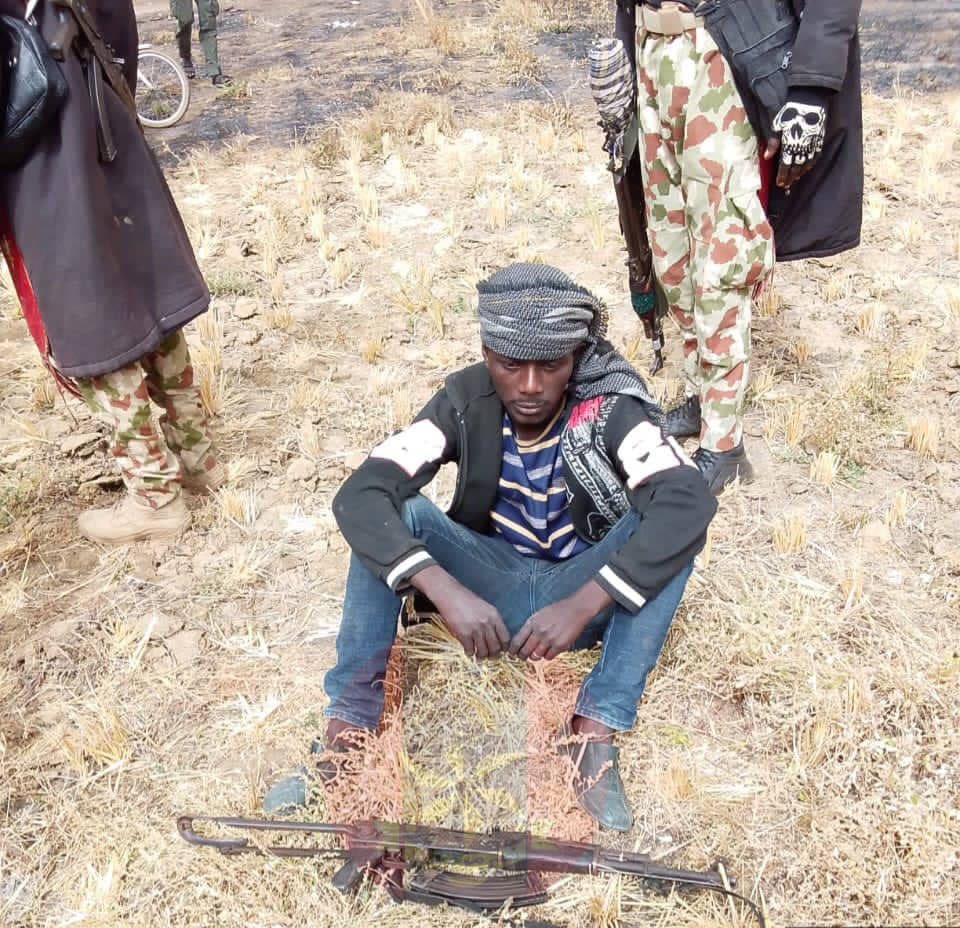
On April 17, 2026, the Defence Headquarters called it a “graduation.”
744 men walked out of Operation Safe Corridor and back into Nigeria. Not after trial. Not after sentencing. After “vocational training, psychosocial support, and civic reorientation.”
READ ALSO: Nigeria’s State Police Plans: Before We Democratize Terrorism
Join our WhatsApp ChannelThe military says it’s strategy, not reward. That reintegrating ex-insurgents, ex-terrorists will weaken terror networks and save lives.
Nigerians aren’t buying it.
Since 2016, over 1,700 former fighters have been processed through the programme. In that same time, we’ve buried more than 70,000 people killed by insurgency, banditry, and violent conflict. Many more died uncounted in villages no journalist can reach.
So when Abuja announces 744 new “graduates,” the village doesn’t hear rehabilitation. It hears this: The state has a system for forgiving those who took up arms. It still doesn’t have one for protecting those who didn’t.
And that is why the outrage won’t fade.
The numbers behind the noise
Operation Safe Corridor isn’t new. It started in 2016 as Nigeria’s “non-kinetic” answer to insurgency: pull fighters out of the bush, weaken terror groups from within.
Since then, the batches have kept coming. The Army said 893 ex-Boko Haram members were rehabilitated between 2019 and 2020. NIMC confirmed about 900 “repentant insurgents” had been registered nationwide. Add the 744 announced this April, and the count crosses 1,700.
But the public has never bought it.
In 2020, Premium Times asked Nigerians what they thought. On Facebook, 14,076 people responded. On Twitter, 5,481. Over 92% said no to amnesty for ex-insurgents.
The message was clear: Nigerians didn’t want it then. The killings haven’t stopped since. Yet the graduations continue.
70,000 graves and counting
That opposition wasn’t abstract. It was born in villages still burying their dead.
ACLED data and peer-reviewed studies put Nigeria’s conflict deaths above 70,000 since 2016. That’s insurgency, banditry, and the violence we’ve managed to count.
Security analysts say the real number is higher. Many attacks in hard-to-reach communities never make the news. No police report. No camera. No name in a register. Just another grave.
That toll keeps Nigeria on the global list of countries most battered by violent conflict. Year after year.
And that is why distrust runs deep.
For too many Nigerians, the message from Abuja is clear: the state has a schedule for forgiving killers. It still doesn’t have one for protecting the living, or justice for the dead.
Who grades repentance?
The government says “rehabilitation.” Nigerians hear “freedom without trial.”
That gap is where the anger lives. And it starts with a word: graduation.
What did 744 men graduate from? How long was the course? Who set the exam for remorse? What score means you’re safe to live next door to the woman you widowed?
Nobody has said.
We don’t know how they got into Operation Safe Corridor. Were they captured with rifles and rebranded as “clients”? Is “graduation” just Abuja’s way of skipping the courts?
If so, why? What makes a man with blood on his hands unfit for trial but fit for tailoring lessons?
The Defence Headquarters talks about vocational training and psychosocial support. But there’s no public syllabus. No audit. No checklist that tells us how you measure a changed heart.
No risk scale. No ankle monitor. No parole officer. No one to tell us what happens if they fail.
So the question stays on the table, unanswered:
How do you vet repentance? And how sure are you that the men you freed today won’t be back in the bush tomorrow, with your village name on their phone?
Two laws for one country
We still don’t know who qualifies as a “client.” Or how the military decides one man is low-risk and another isn’t. Or what happens after they leave camp.
No public risk scale. No tracking. No check-ins. Once they “graduate,” they vanish into the crowd.
The Chief of Defence Staff insists it’s not a reward. But without clear answers on legal status, on accountability, on what these men owe the state after release, the gap between Abuja’s words and our fears only grows.
Because here’s the contrast Nigerians can’t ignore: a farmer in Plateau picks up a dane gun to protect his children and lands in court. An insurgent drops his AK-47 and gets a certificate.
One faces the law. The other gets a programme.
Yes, deradicalisation works elsewhere. Saudi Arabia does it. Indonesia does it. The logic is sound: you can’t bomb an ideology into surrender.
But those countries aren’t graduating ex-fighters while bandits overrun bases the same week. They aren’t burying 70,000 people with no justice. They aren’t asking victims to fund the forgiveness of their killers.
In Nigeria, reintegration runs on schedule. Security doesn’t. And until that changes, every “graduation” will look less like strategy and more like a gamble with graves.
Now the courts must answer
The fight has left social media and entered the courtroom.
Human rights lawyer Maxwell Opara is suing the Federal Government, the Army, and the Attorney-General. His demand is simple: put this programme before a judge.
He argues that freeing men tied to terrorism without trial is illegal. That “administrative release” by soldiers can’t replace due process in a democracy. That the Constitution, the Terrorism Act, and separation of powers all say one thing: only courts decide guilt. Only courts grant pardon.
Skip the courts, he says, and you gut public trust. You also send killers back to communities with no legal record, no sentence, no terms.
The judiciary now holds the file. It can tell Nigerians if Operation Safe Corridor stands on law or on executive impulse. If the state can forgive in the barracks what it would punish in the dock.
This case cuts to the bone of our constitutional order.
The courts call themselves the last hope of the common man.
With 744 “graduates” already home and more in the pipeline, Nigerians will soon find out if that hope still stands, or if it died with the 70,000 we buried.