 Prosper Okoye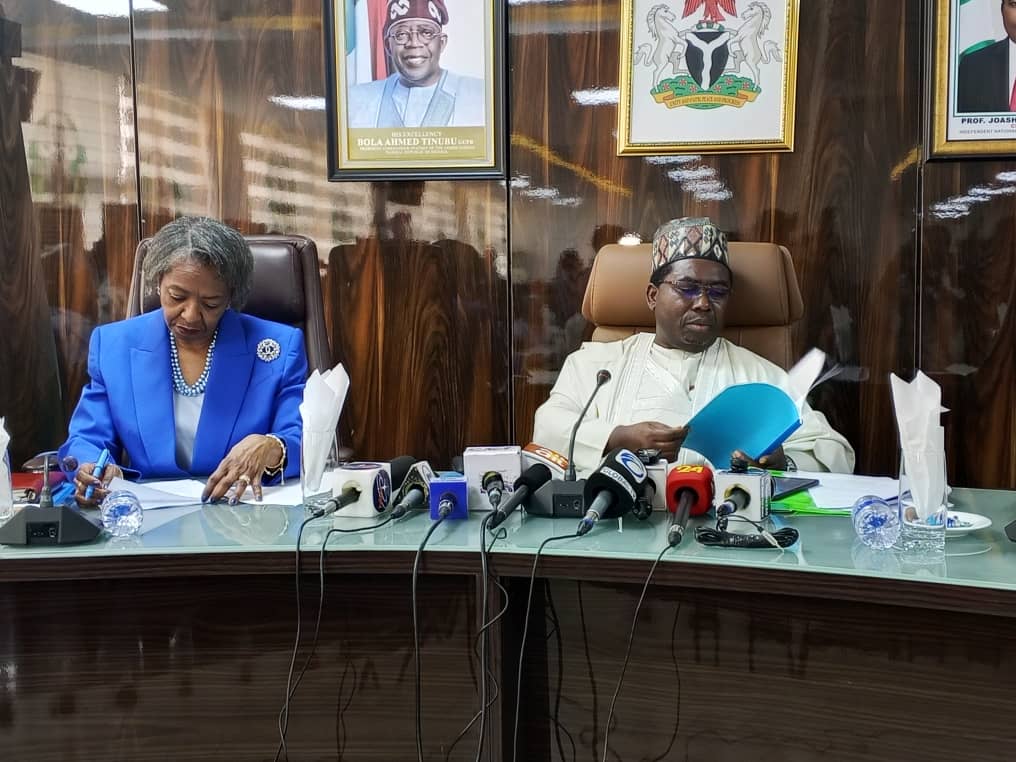
Nigeria’s electoral commission and political parties on Tuesday disagreed over provisions of a revised electoral law, with opposition groups warning that some of the changes could undermine preparations for the 2027 general elections.
The disagreement emerged at a public presentation in Abuja organised by the Independent National Electoral Commission, where officials unveiled draft regulations and guidelines for political parties ahead of the polls.
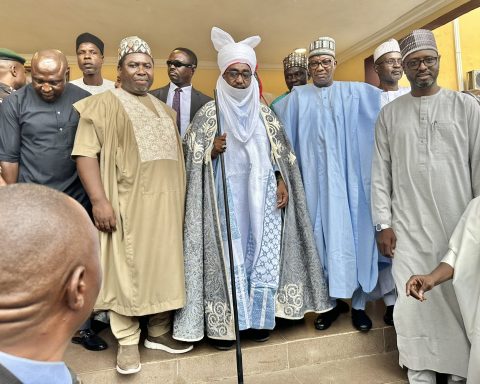
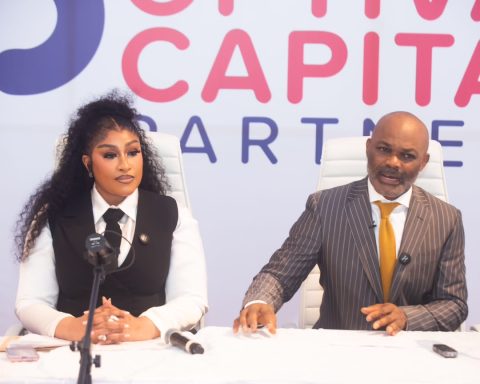
Chairman of the Inter-Party Advisory Council, Yusuf Mamman Dantalle, said several provisions of the revised Electoral Act were problematic and urged lawmakers to review them, arguing they could affect the integrity of the 2027 elections.
Join our WhatsApp ChannelDantalle said provisions on election timetables place pressure on opposition parties, adding that requirements such as mandatory direct primaries and strict timelines for submitting party membership registers could limit participation and disenfranchise voters.
He also criticised aspects of the law he said weaken penalties for vote buying, calling for the establishment of an electoral offences commission and urging reforms to strengthen transparency in result transmission, including the full deployment of electronic systems.
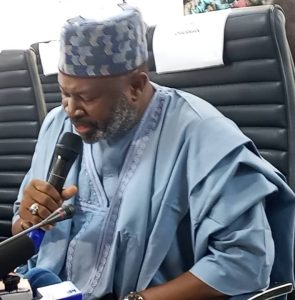
Dr. Dantalle
In his opening remarks, INEC Chairman Joash Amupitan said the amended electoral framework contains provisions aimed at supporting credible elections, and urged political parties not to view aspects of the law as interference in their internal affairs.
He emphasized that credible elections begin well before polling day, noting that the commission is empowered by the constitution and the Electoral Act to develop regulations guiding party activities and election processes.
Amupitan said the draft regulations represent an updated framework aligned with recent legal provisions and are intended to address the operational demands of the 2027 elections.
“We cannot navigate a 2027 horizon using a 2022 map,” he said.
He noted that the commission is working within tight timelines ahead of the elections, with presidential and National Assembly polls scheduled for January 16, 2027, and governorship and state assembly elections set for February 6, 2027.
READ ALSO:
2027 Polls: INEC Promises Reforms as Political Parties Begin Digital Registration
INEC Shifts 2027 Presidential Election to January 16 After New Electoral Act
FCT Polls: INEC Allegedly Forgets Original Copy of Result Sheets
The draft guidelines cover party registration, internal party processes, primaries, campaign rules, political finance and deregistration procedures, and include provisions aimed at improving participation of women, youth and persons with disabilities.
The exchange underscores growing tensions between the electoral body and political stakeholders over the implementation of Nigeria’s electoral framework ahead of the 2027 general elections.

Prosper Okoye is a Correspondent and Research Writer at Prime Business Africa, a Nigerian journalist with experience in development reporting, public affairs, and policy-focused storytelling across Africa