 Victor Ezeja
Report of Nigeria’s Gross Domestic Product (GDP) in the third quarter of 2021 indicated that non-Oil sector of the economy accounted for 92.51 percent, but there is low productivity in the sector, as organised private sector observed.
The third quarter GDP report indicated a growth rate of 4.03 per cent, which marked the fourth consecutive quarters of GDP growth since the country’s exit from recession in Q4 2020, however, the Centre for the Promotion of Private Enterprise (CPPE), in its analysis of the economic implications of the report raised concern over inclusiveness of the growth arising from “weak contribution of the non-oil sector to foreign exchange earnings, revenue and quality jobs,” and poor global competitiveness of the sector.
Join our WhatsApp ChannelAccording to the Chief Executive Officer of CPPE, Dr Muda Yusuf, the non-oil sector suffers key challenges like macroeconomic instability, currency depreciation, forex liquidity, regulatory constraints, and policy inconsistency, which impede productivity in the sector.

The centre also identified security of lives and property, structural bottlenecks and barriers to import and export trade, and burdensome bureaucracy, as other challenges of the sector.
While analysing contribution of other sectors to the GDP in the third quarter, Yusuf who is a former President of the Lagos Chamber of Commerce and Industry (LCCI) said the recent growth rate witnessed across sectors of the ecomomy was as a result of rebound of domestic economic activities within the country due to relaxation of COVID-19 lockdown protocols which had restricted movements both within and globally.
Yusuf further stated that it could also be attributed to restoration of supply chains that were disrupted at the inception of the pandemic, economic stimulus programmes by monetary and fiscal authorities, recovery of the global economy following improvements in investors sentiments as a result of improved vaccination in many parts of the world, rebound of commodity prices which had a positive impact on macro-economic outlook. Crude oil price for instance has recorded an impressive recovery in last couple of months.
The economic expert also noted that revitalization of sectors that were earlier on lockdown following the onset of the Covid-19 pandemic such as the hospitality, entertainment, aviation, road transportation, tourism, among others, helped in growth of the sector.
Analysis of the sector by sector contribution of the GDP shows that agriculture contributed 29.94 per cent, crude oil and gas, 7.49 percent, manufacturing, 8.96 percent, trade 14.93 percent, telecom and ICT, 11.94 percent.
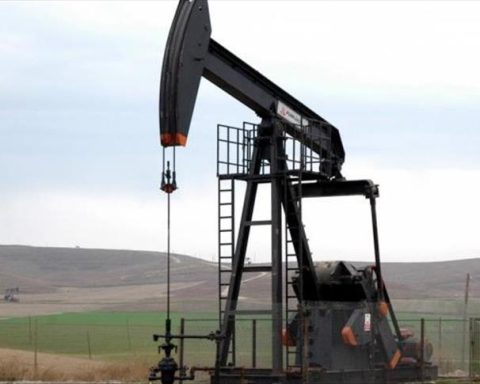
Yusuf pointed out that despite the 7.49 per cent cotribution of oil sector to the GDP against 92.51 percent from non-oil sector, the oil sector still accounted for over 50% of revenue and over 90% of the country’s foreign exchange earnings. This he said is “a manifestation of the low level of productivity in the non-oil sector.”
He therefore advocated comprehensive reforms “to scale up productivity in the non-oil sector of the economy in order to enhance its contributions both to revenue and foreign exchange earnings. This is the way to make the economy more sustainable and stable,” Yusuf stated.
On the sectors that recorded growth according to the GDP report, he stated that the 59.93 percent growth performance in the rail sector which was the highest sectoral performance during the period under review, was as a result of high passenger traffic especially along the Kaduna-Abuja, and Warri-Ajaokuta axis due to bad road networks, which leads to long hours on the road and case of insecurity like kidnapping, and armed robbery on high ways.
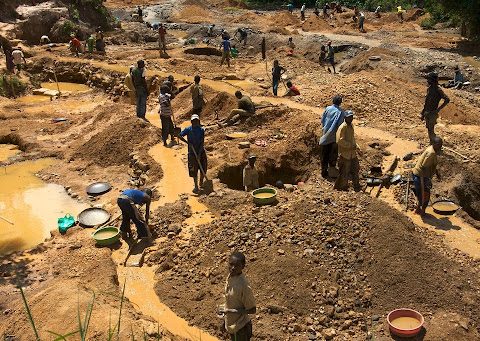
The Metal ore sub-sector also recorded growth rate of 54.92 percent which he attributed to “increase in investment in solid minerals as a result of the opportunities created by the scarcity of foreign exchange for the importation of some of these minerals.”
For the air transport sector that recorded a rebound growth rate of 33.31 percent, he said it was due to resumption of economic activities across all sectors in the economy with a corresponding increase in mobility, coupled with state of the roads.
For the service sector which contributed 49.65 percent Yusuf said it was an indication that productivity is much higher in the service sector compared to other sectors like manufacturing and agriculture, adding that there is less challenges of infrastructure, especially roads, railway and power in the services sector.
He advised that stakeholders and policy makers should de-risk investment in the real sector of the economy to reduce the dominance of the service sector, saying, “we cannot afford an economy that is very weak in production and the associated competitiveness challenges. This is the sustainable pathway to promote the self-reliance and backward integration agenda.
“There should be deliberate policy to plug into the global value chain rather than be consumed in building a wall around the domestic economy.
“There is need for periodic impact analysis of policy measures and intervention programmes to ensure the delivery of desired outcomes.
“There should be regular engagement with stakeholders across sectors to get feedback from investors and stakeholders in order to gather empirical evidence to enhance the quality of fiscal and monetary policies. Such interactions are also imperative for regulatory feedback.”

Victor Ezeja is a passionate journalist with seven years of experience writing on economy, politics and energy. He holds a Master's degree in Mass Communication.