Queen Nwabueze
As the whole world continues to lock in the good, bad and ugly of the late Queen who was born in 1928 and died in 2022, Prime Business Africa recalls, the Buckingham palace matriarch also oversaw the liberation of all of the British colonies in Africa.
Join our WhatsApp ChannelBelow are some of the countries that gained independence under Queen Elizabeth the second’s rule:
- Sierra Leone: This was the first British colony, colonized in 1808 by freed slaves from England. The country gained independence in 1961.
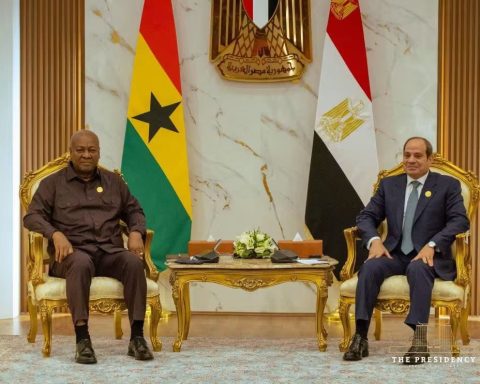
- Ghana: Ghana was colonized as early as 1902 after huge reserves of gold were discovered in the land. It gained independence in 1957. Before colonization. The Ashanti people ruled its lands.
- Nigeria: Despite British presence not too far away, this land was officially colonized in 1914, 12 years after Ghana’s colonization. This region also saw one of the most extreme amalgamations, as over 200 independent tribes were forced to co-exist within a designated border. Nigeria gained independence in 1960.
- Sudan: The name Sudan in Arabic means the land of black people. Colonized in 1899. Sections of this region were under Belgium’s rule before fully becoming a British colony, following the death of Leopold. The country gained its independence in 1956.
- Uganda: Before becoming a British protectorate in1894, this region of the world experienced some intense religious conflicts as four religious groups battled for supremacy. They were the Native Religion, Catholic, Muslim, and Protestant. The country gained its independence in 1962.
- Kenya: Before its colonization in 1920, the Sultan of Zanzibar had sovereignty over the region currently known as Kenya. The signing of the Heligoland Zanzibar treaty gave England and Germany ownership of Kenya. Kenya gained independence in 1963.
- Tanzania: Formerly known as Tanganyika, Tanzania was initially a German colony. After the first world war, Britain seized control of the region, as part of the terms of the treaty of Versailles. It was colonized by the British in 1919 and gained independence in 1961.
- Zambia: This country was colonized in 1888, after the British secured mineral rights in the region, but it officially became a British protectorate 10 years later. Zambia gained its independence in 1964.
- Botswana: The British colonized Botswana in 1885 as a way to block the alliance between the Boers (Dutch settlers in South Africa) in the Transvaal and the Germans in current-day Namibia. In 1885 the British put Bechuanaland, current day Botswana, under its protection. Botswana gained independence in 1966.
- Zimbabwe: Formerly known as South Rhodesia, this country became a self-governing British colony as early as 1923. Colonized in 1890, Zimbabwe gained its independence in 1980, making it the last country to free itself from British rule.
- South Africa: This nation has seen its fair share of foreign invaders. The Portuguese were the first European settlers to reach the Southern Coastline in 1497. Centuries later, in 1965, the Dutch settlers trooped in, before the nation was finally colonized by Britain in 1815. South Africa finally gained its independence in 1961
Missing any? Please add it in the comments section.