Fakoyejo Olalekan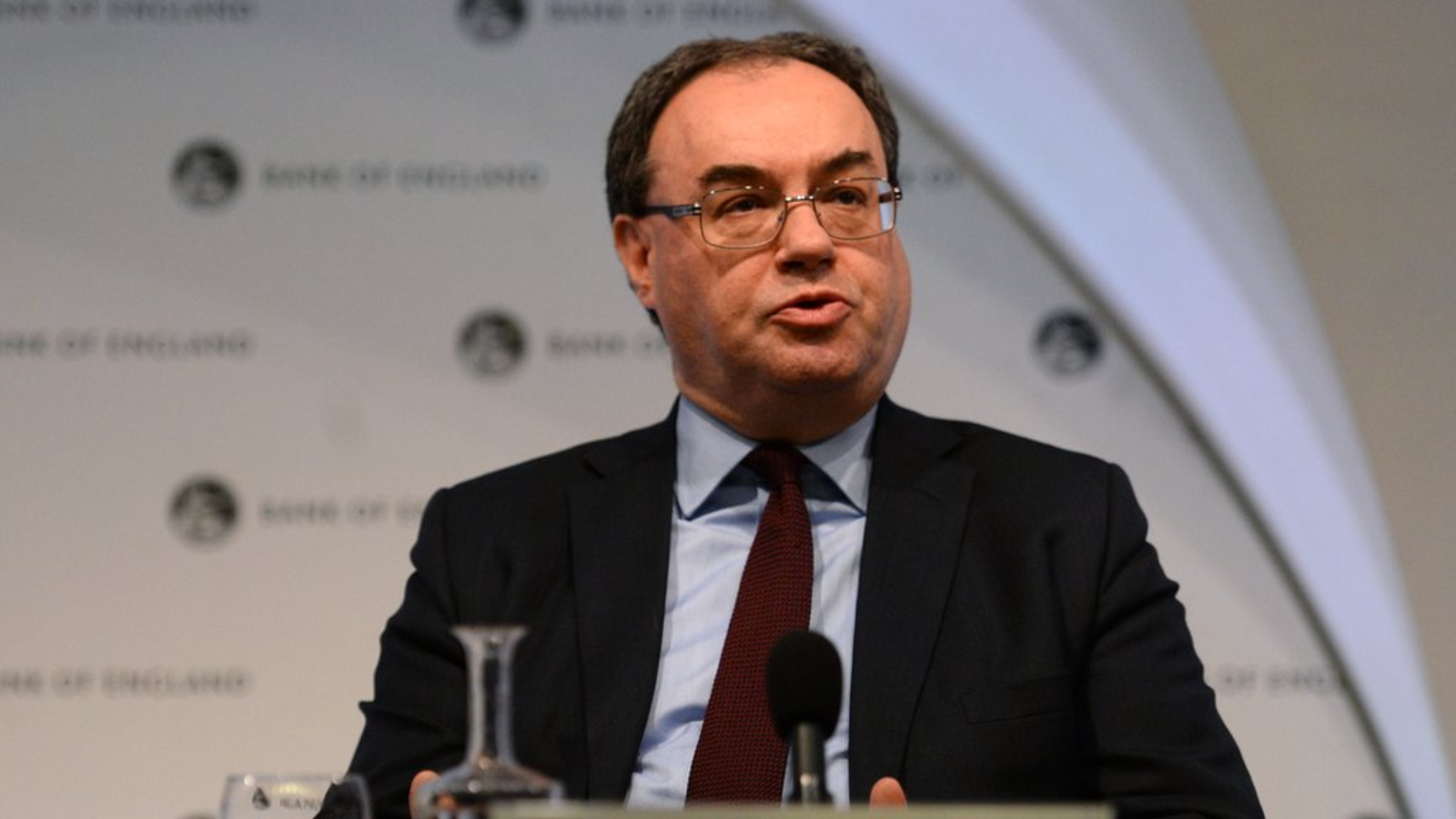
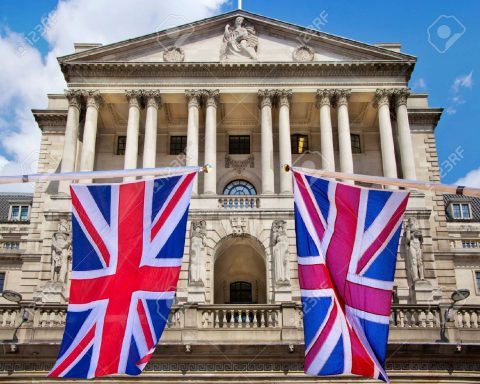
Bank of England has announced that the country will enter recession by the end of the year, as it projects inflation rate will rise to 13% before it start reversing to a single digit rate.
In a bid to counter the growth of inflation, which has skyrocketed the cost of living in the UK, the financial regulator increased interest rate to 1.75%, the biggest rise in 27 years. The interest grew from 1.25%.
Join our WhatsApp ChannelWith inflation currently standing at 9.4%, the Bank of England said increasing the interest rate will raise cost of borrowing, reduce consumer spending, courage people to save.
This is expected to slow inflation, which the government plan to cut down to 2%, but not before experiencing recession for one year in 2023, starting from the UK economy declining in the fourth quarter of this year.
“The squeeze on households’ incomes due to the rise in energy prices has led to slower growth in the UK economy. We expect the size of the UK economy to fall over the next year.” it said.
The governor of the bank, Andrew Bailey, said, “I recognise the significant impact this will have and how difficult the cost-of-living challenge will continue to be for many people in the United Kingdom.
“Inflation hits the least well-off hardest. But if we don’t act now to prevent inflation from becoming persistent, the consequences later will be worse and will require larger increases in interest rates.”
Explaining the method the government will bring inflation down, the apex bank said, “The main way we can bring inflation down is to increase interest rates. Higher interest rates make it more expensive for people to borrow money and encourage them to save.
“That means that, overall, they will tend to spend less. If people on the whole spend less on goods and services, prices will tend to rise more slowly. That lowers the rate of inflation.”
“To help inflation return to our 2% target, this month we have raised our interest rate to 1.75%.”