 Emmanuel Ochayi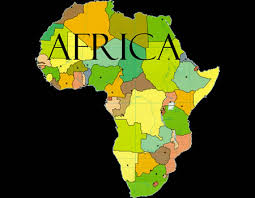
Several African countries are expected to experience economic difficulties in 2025 due to rising debt, trade imbalances, and reliance on external financing. The International Monetary Fund (IMF) has released its World Economic Outlook, which highlights the top African economies expected to struggle the most. These challenges stem from low current account balances, high global interest rates, and limited foreign exchange earnings.
According to the IMF, some of the most affected African countries will face high deficits, increasing debt repayments, and reduced investments in key sectors such as healthcare, education, and infrastructure. Below is a detailed look at the African countries expected to struggle the most economically in 2025.
Join our WhatsApp ChannelMozambique: The Largest Current Account Deficit
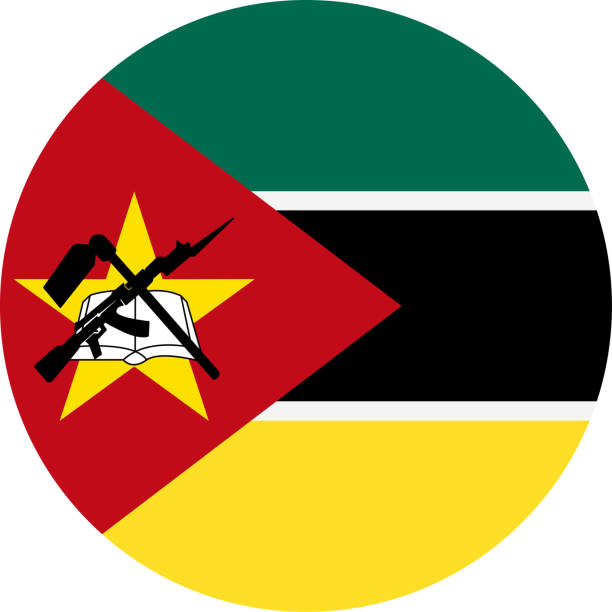
Mozambique is projected to have the lowest current account balance in 2025 among the African countries, with a deficit of –30.0% of GDP. This figure reflects the country’s heavy dependence on imports, foreign aid, and external borrowing.
The government has been investing in large infrastructure and energy projects, which contribute to the deficit. However, economic stability in Mozambique will largely depend on global commodity prices and investment inflows.
Liberia: Heavy Reliance on Commodity Exports
Liberia follows with a projected current account deficit of –21.9% of GDP. The country’s economy is highly dependent on commodity exports, including rubber and iron ore. Economic performance will be influenced by fluctuations in global demand and investor confidence. Additionally, Liberia’s narrow industrial base and external debt commitments add to its financial pressures.
Burundi: Structural Economic Challenges
Burundi is projected to have a –21.8% current account deficit. The country’s economy faces structural difficulties, including low export earnings, high agricultural dependence, and a small industrial sector. Its financial stability is largely dependent on external aid and trade policies with neighboring countries.
READ ALSO: African Countries With Highest Tech Funding
Namibia: Vulnerability to Commodity Price Fluctuations
Namibia is expected to have a –17.0% current account deficit in 2025. Despite having a strong mining sector, the country remains exposed to external economic shocks, particularly changes in commodity prices. The economy’s reliance on imports and external borrowing continues to impact its balance of payments.
Malawi: Agricultural Dependence and Climate Risks
Malawi’s projected current account deficit stands at –13.8% among other African countries. The country relies heavily on agricultural exports, particularly tobacco, which generates significant foreign exchange earnings. However, climate-related disruptions and global price volatility remain major risks.
Rwanda: High Import Costs Affect Economic Stability
Rwanda is expected to have a –11.0% current account deficit. The country has experienced rapid economic growth, but the high cost of importing goods for infrastructure projects contributes to the shortfall. Rwanda’s focus remains on industrialization and export diversification.
Seychelles: Tourism Dependence and External Shocks
Seychelles is projected to record a –10.1% current account deficit. The island nation’s economy depends largely on tourism, making it vulnerable to global economic downturns. The COVID-19 pandemic highlighted the risks associated with tourism reliance, and while the sector is recovering, uncertainties persist.
Somalia: Economic and Security Challenges
Somalia follows with a projected deficit of –9.0%. The country faces longstanding economic and security issues. Dependence on remittances and external assistance continues to shape its economic landscape. Limited industrial output and weak export sectors contribute to financial instability.
Guinea: Mining-Driven Economy Faces Market Risks
Guinea is expected to have a –8.8% current account deficit. The country’s economy relies on mining, particularly bauxite and gold, as key foreign exchange earners. However, infrastructure challenges and global market fluctuations pose risks to its economic stability.
Mauritania: Extractive Industries and External Market Dependence
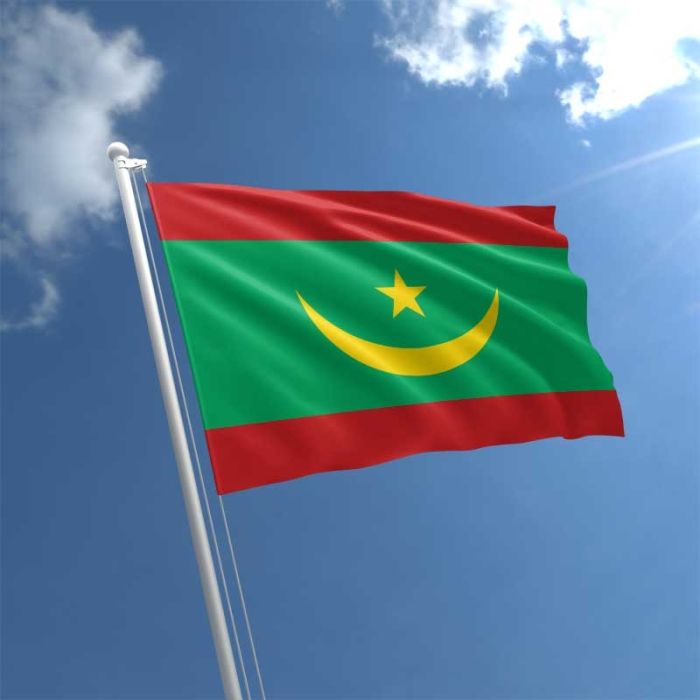
Mauritania rounds out the list with a projected deficit of –8.7%. The country’s economy is driven by extractive industries, particularly iron ore, fisheries, and offshore gas projects. Its financial trajectory will depend on external market conditions and foreign investments.
A Mauritanian trade analyst commented, “Developing industries beyond mining and fisheries will be crucial for reducing economic vulnerabilities.”
The Way Forward for Struggling African Economies
To address these economic challenges, affected African countries need structural reforms, revenue diversification, and strategies to boost foreign exchange earnings. Strengthening local industries, improving trade policies, and reducing dependency on external loans will play a crucial role in shaping their financial futures.
A financial consultant in Africa concluded, “African countries must adopt policies that encourage economic diversification. Relying solely on commodities and external financing is unsustainable in the long run.”
As 2025 approaches, these countries will need to make strategic economic decisions to avoid prolonged financial struggles. Their ability to implement reforms and adapt to global market conditions will determine their economic resilience.

Emmanuel Ochayi is a journalist. He is a graduate of the University of Lagos, School of first choice and the nations pride. Emmanuel is keen on exploring writing angles in different areas, including Business, climate change, politics, Education, and others.