 Euphemia Ojukwu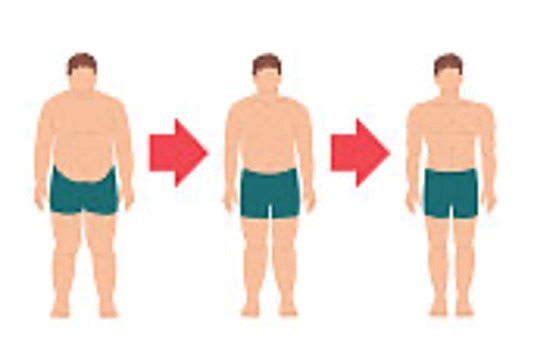
Weight loss or “the perfect body” has become an alarming trend and goal, especially with Gen Zs. There was a time when people didn’t concern themselves with how they looked, then came health hazards of overweight, which made people more health conscious. However, the rise of diet culture, fueled by social media, has introduced both relatable and controversial dimensions to the pursuit of this goal. While many are motivated by the promise of quick results, the long-term effects and mental health implications of following fad diets can be troubling.
The Impact of Social Media on Weight Loss
Join our WhatsApp ChannelSocial media platforms are flooded with influencers promoting various fad diets, detox teas, and “miracle” weight loss products Fad diets promise rapid weight loss but often fail to deliver sustainable results. Diets like keto, intermittent fasting, and extreme low-carb regimes can have immediate effects but pose long-term health risks.
Social media is rife with unverified health advice. Many influencers lack the qualifications to provide accurate information, leading followers to potentially harmful practices. The glamorized success stories and before-and-after photos create a false sense of reality and urgency, leading many to adopt unsustainable practices. Constant exposure to idealized body images can create unrealistic expectations. People, especially teenagers and young adults, feel pressured to conform to these standards, often at the expense of their health.
The Implications of Social Media Quick Weight Loss Plan
- Nutritional Deficiencies: Restrictive diets can lead to a lack of essential nutrients, resulting in health problems such as weakened immune systems, fatigue, and digestive issues.
- Yo-Yo Dieting: The cycle of losing and regaining weight can be more harmful than being overweight. Yo-yo dieting increases the risk of cardiovascular diseases and metabolic disorders.
- Mental Health Implications: The pursuit of weight loss through unhealthy means can take a toll on mental health. The obsession with body image and weight can lead to eating disorders, anxiety, and depression.
- Body Dysmorphia: The constant comparison to filtered and edited images can distort one’s self-perception, leading to body dysmorphia.
- Stress and Anxiety: The pressure to lose weight quickly can cause significant stress and anxiety, impacting overall well-being.