Fakoyejo Olalekan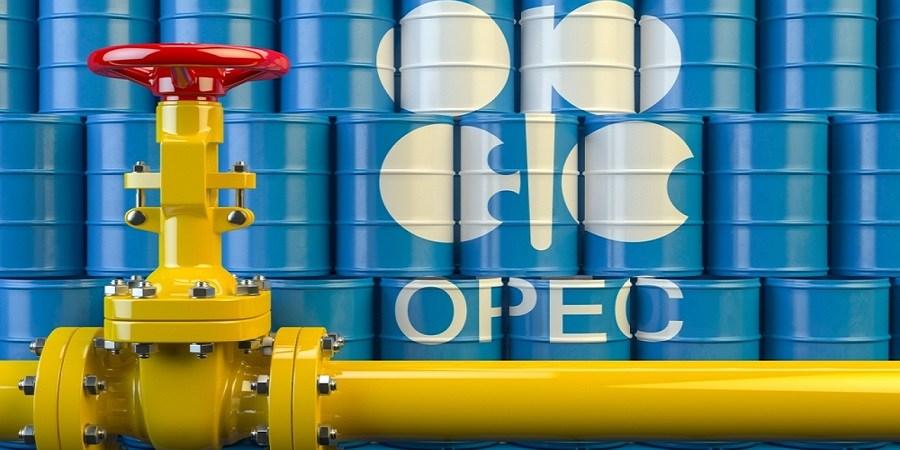
The cost of subsidy on Premium Motor Spirit (PMS), also known as fuel, in Nigeria will rise in May should the country not remove it, as Saudi Arabia and some members of the Organisation of the Petroleum Exporting Countries plus (OPEC+) cut production output by 1.15 million barrels per day starting from next month.
Saudi Arabia on Sunday announced 500,000 barrels per day cut, Iraq chose 211,000 barrels per day and United Arab Emirates (UAE) said its production will be reduced by 144,000.
Join our WhatsApp ChannelAlso, Kuwait stated that it will cut output by 128,000 barrels, Kazakhstan announced 78,000 barrels cut, Algeria to reduce production by 48,000 barrels and Oman said 40,000 barrels will be cut from its output.
Recall that earlier in February, Russia had disclosed that it will drop production by 500,000 barrels per day till the end of 2023.
What you need to know
The series of cuts by the countries is geared towards stabling crude oil price, which Prime Business Africa gathered has dropped by –7 per cent year-to-date, from $85.91 to $79.89 as of the evening of Sunday, 2 April, according to figures obtained from oilprice.com.
During this period in 2022, brent crude was trading above $100, which means year-on-year, the product’s market value is down by –20.11 per cent.
To forestall a further decline in oil price, which is dragging revenue down, OPEC+ members have resulted in cutting their production.
A drop in production means higher oil prices globally, and in a country like Nigeria where crude oil is produced but exported to be refined and imported to be sold at the pump, the landing cost will further increase, which means the government will have to pay more subsidy fees.
Before the cut by OPEC+ members, in November 2022, fuel was sold at N170 per litre, with landing cost put at N510 per litre. At that period, the oil price was hovering between $94 and $84, according to figures obtained from oilprice.com.
The difference in the price of fuel sold at the retail station and the landing cost is the subsidy burden the government take on to keep the price skyrocketing at the pump.
Already, Nigeria has budgeted N3.36 trillion for subsidy with President Muhammadu Buhari’s administration putting the oil price benchmark at $70 per barrel.
With the cut coming in the next 29 days before the country removes the subsidy in June, the drop in production among OPEC+ members, which is expected to raise fuel price and landing costs, will increase subsidy costs as well.
Meanwhile, Nigeria’s PMS price is expected to rise above the current N185 per litre, as the landing cost of refined fuel into Nigeria will jump in May in response to the hike in crude oil price, considering Nigeria is preparing to remove fuel subsidy which has given the government control to keep petrol price below market realities for years.
President Muhammadu Buhari’s government previously stated that the subsidy will be removed in June 2023, but the Finance Minister, Zainab Ahmed, later stated that it will be removed before Buhari hands over to the next administration on 29 May 2023.
However, whether Buhari removes the subsidy or not, the President-elect, Bola Tinubu, has also stated during his campaign that he will remove the subsidy regardless of protests from Nigerians.
Removal of subsidy is expected to push fuel price significantly high, as the Nigerian National Petroleum Company Limited (NNPC) Limited will no longer bear the burden of the landing cost which is usually more than twice the price fuel is sold at the filling station.
With landing cost put at N510 per litre as of November 2022, that is the range fuel will be sold per litre should subsidy be removed, coupled with cuts in global production output.