By Deborah Chidinma Chibuife
Nigerians are grappling with an alarming surge in food prices. Staple foods like rice, yam, tomatoes, and beef have seen steep price hikes, exacerbated by the compounding effects of energy costs, epidemics, floods, and insecurity which have further strained the nation’s already struggling agricultural sector.
Data released by the National Bureau of Statistics (NBS) recently revealed that the headline inflation rate rose to 24.08 per cent from that of June 2023 which was 22.79 per cent. The data also showed that the cost of food in Nigeria increased to 26.98 per cent in July of 2023 over the same month in the previous year. This was 4.97 per cent higher when compared to the rate recorded in July 2022 (22.02 per cent). The Bureau indicated that the increase in the rate of food inflation on a year-on-year basis was caused by the surge in prices of Oil and fat, bread and cereals, fish, potatoes, yam and other tubers, fruits, meat, vegetables, milk, cheese, and eggs.
Join our WhatsApp ChannelOn 13 July, Nigeria’s President, Bola Ahmed Tinubu, declared a state of emergency on food insecurity in an attempt to tackle the escalating prices. However, as government policies take effect, socioeconomic realities persist, and food prices continue on the upward swing.
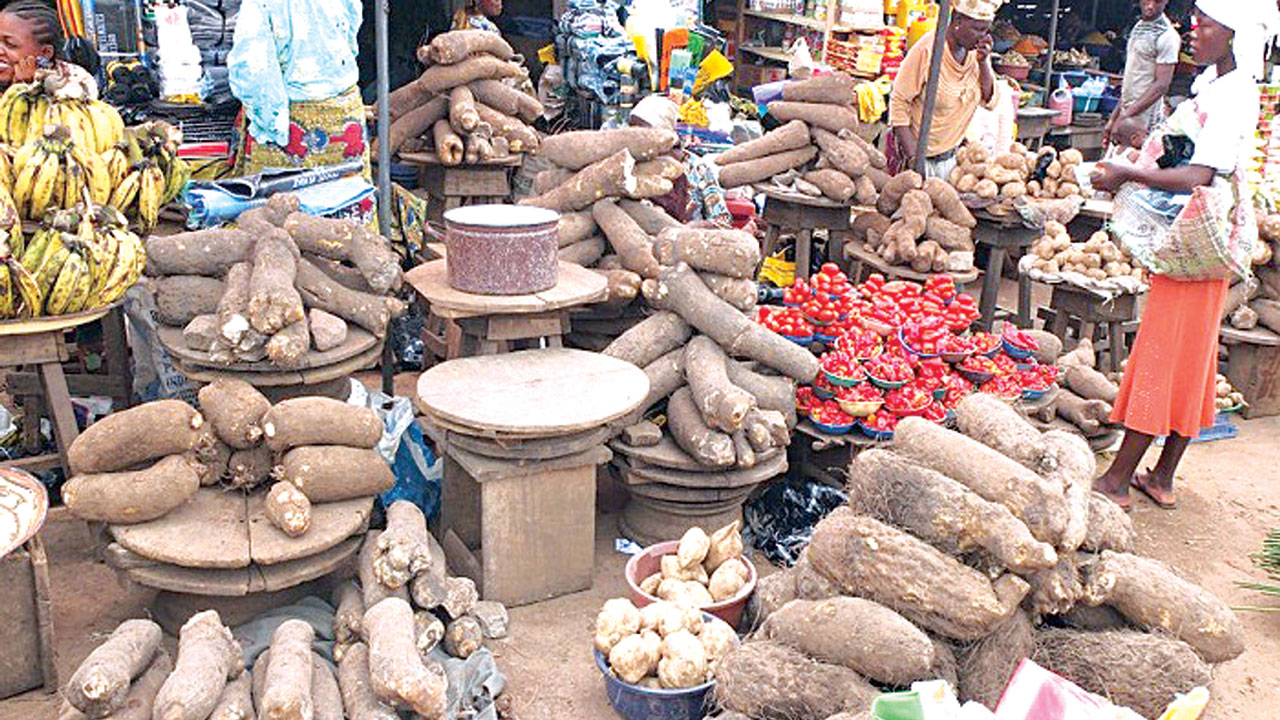
Prime Business Africa correspondents visited some markets in Lagos to monitor the situation of things. Traders who spoke in an interview with the correspondents expressed deep concern about the persistent increase in prices of foodstuffs. They urged the new administration to take swift action to alleviate citizens’ predicaments.
At Abule Market in Ajao Estate, Lagos State, a food items vendor lamented the current state of food prices and how the situation has deteriorated over the years, significantly affecting sales. She revealed resorting to borrowing money to sustain her business, but even at that, profits fell short of covering her debts while she struggled to feed herself and her family, and is now faced with an empty shop with no resources to either restock or relocate.
“My landlord constantly reminds me of my debts, a daily reminder of my financial struggle,” she shared, illustrating the difficulty of renewing rent in the midst of current economic disruptions. She implored the current government to address the soaring cost of goods.
READ ALSO: Women Turn To ‘Carrot Stew’ As Cost of Tomatoes Skyrockets In Nigeria
Another trader in the market attributed her business survival to divine support. “We sell to survive, with profits often meagre. I sometimes make as little as N50 on a stockfish and occasionally just break even to help others eat well, all for the sake of God,” she said. The vendor lamented that after buying things at a high cost, they are forced to quickly sell perishable things like vegetables at reduced prices to avoid losing them.
READ ALSO: FG To Prosecute Traders Increasing Food Prices
She leaned on scripture and her faith, stressing the importance of people coming to the aid of the less fortunate ones in this period of economic hardship. Like her peers, she held a neutral view on governmental regimes, attributing outcomes to higher forces.
Another seller said her business is dwindling due to a lack of customers who can’t afford the high cost of things now. “Despite daily displays, customers are scarce due to high prices,” she stated. She lamented that customers would express interest in buying but fail to follow through, often citing a lack of funds. Consequently, unsold goods spoiled, deepening her challenges.
However, a northerner who sells tomatoes and vegetables said his business condition is beginning to improve. He reported a drop in tomato prices, leading to stability in his operations.
Another food vendor painted a bleak picture, revealing how customers’ inability to buy has dwindled sales. She sighed and said: “Some can’t even afford transportation, so how can they buy food?”
The harsh reality of Nigeria’s worsening economic conditions coloured her perspective. She said her shop in the past used to be surrounded by eager customers, but this was no longer the case.
She also called on the government to alleviate the situation, specifically citing the need to take appropriate steps to lower the prices of food items. According to her, previously, she could purchase a bag of rice for N48,000, but prices have since skyrocketed.
Tomatoes, too, have become prohibitively expensive, deterring customers. Grinding tomatoes, once priced at N200, now cost N1000, a significant increase. She fondly recalled the Buhari regime, noting its affordability and thriving customer base, highlighting the stark contrast with the present.
Food stands as a fundamental necessity, essential for human and animal survival alike. In Nigeria, however, it is now a luxury due to soaring prices.
With no end in sight, the question on the lips of many is how can Nigeria effectively lower the prices of essential foodstuffs and provide relief to its struggling citizens. Analysts believe that addressing the crisis requires a holistic consideration of all factors such as energy costs, transportation, and insecurity among others.