Comrade Nelson Nnanna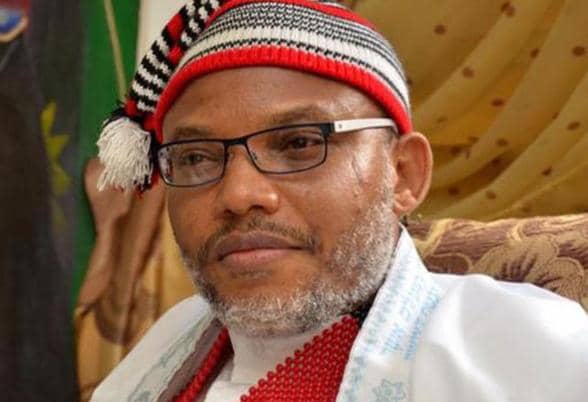
Over the past decade, Nigeria has witnessed a growing wave of citizen-led activism, mass protests, and calls for justice and accountability. Two defining movements the End SARS protests of 2020 and the Free Nnamdi Kanu demonstrations have come to symbolize this civic reawakening. However, these movements have also exposed a disturbing trend: the relentless shrinking of Nigeria’s civic space and the systematic erosion of democratic principles essential to good governance.
End SARS: A National Uprising Against Police Brutality
The End SARS movement, which gained global attention in October 2020, was born out of decades of police brutality, extortion, and extrajudicial killings by the now-disbanded Special Anti-Robbery Squad (SARS). Sparked by a viral video of an alleged police killing in Ughelli, Delta State, the movement quickly evolved from an online campaign into one of the most powerful civil resistance efforts in Nigeria’s history.
Join our WhatsApp ChannelYouth-led and largely peaceful, the protests demanded not only the disbandment of SARS but also far-reaching reforms in policing, justice for victims, and broader accountability in governance. Yet, rather than engage in dialogue, the Nigerian state responded with violence and repression. The tragic events of October 20, 2020 when security forces allegedly opened fire on unarmed protesters at the Lekki Toll Gate in Lagos have become a chilling symbol of the state’s intolerance for dissent.
Free Nnamdi Kanu: Identity, Injustice, and Suppressed Dissent
Parallel to End SARS, the Free Nnamdi Kanu movement has gained traction, particularly in the South-East, where the Indigenous People of Biafra (IPOB) led by Nnamdi Kanu has voiced long-standing grievances about marginalization, injustice, and self-determination.
Following Kanu’s controversial re-arrest in 2021, widespread calls for his release have been met with brutal suppression. Despite court orders mandating his release, the government has refused compliance, further undermining judicial authority and deepening public disillusionment.
Peaceful protests in support of Kanu have frequently been labeled as threats to national unity. Rather than open channels for political dialogue, the state has responded with militarized crackdowns, arrests, and intimidation infringing upon the constitutional rights to freedom of expression, assembly, and due process.
A Pattern of Repression: Shrinking Civil Liberties
The state’s heavy-handed response to these movements reflects a broader and troubling pattern. Nigeria’s civic space has steadily contracted through:
- Surveillance and arbitrary arrests of journalists and activists;
- Crackdowns on protests and civic organizations;
- The 2021 Twitter ban, perceived as retaliation for the platform’s role in mobilizing End SARS protests;
- Judicial harassment, asset freezes, and travel bans against dissenting voices.
In many instances, citizens are criminalized for exercising their constitutional rights, while civil society actors operate under growing threats and intimidation. This climate of fear stifles activism, discourages dialogue, and corrodes the democratic fabric of the nation.
The Democratic Cost of Silence
Democracy thrives when citizens are free to question, organize, and advocate. When these freedoms are curtailed, democracy itself is endangered.
Nigeria’s growing intolerance of dissent and the shrinking of civic space endangers not only individual rights but the very legitimacy of democratic governance. Suppression breeds distrust, fuels extremism, and alienates a generation that seeks inclusion, justice, and reform.
The Way Forward: Reclaiming Democratic Space
To restore confidence in the democratic process and rebuild trust between the state and its citizens, the following urgent steps must be taken:
- Implement comprehensive police and judicial reforms, including those promised in the wake of the End SARS protests.
- Respect judicial independence and comply with court rulings, including those concerning Nnamdi Kanu’s detention.
- End the criminalization of peaceful protests and protect civil society actors from harassment and persecution.
- Initiate inclusive national dialogue that addresses deep-rooted ethnic, regional, and socio-political grievances.
- Ensure accountability and transparency, especially in the actions of security agencies and the use of force.
Conclusion: Repression Is Not the Answer
The End SARS and Free Nnamdi Kanu movements have exposed both the courage of Nigeria’s citizens and the vulnerability of its democratic institutions. The continued use of repression to silence dissent is not only unsustainable but dangerous.
If Nigeria is to realize its potential as Africa’s largest democracy, it must create space for its people not close it off. Only through openness, accountability, and respect for human rights can the nation chart a path toward genuine unity, peace, and democratic renewal.