 MARCEL MBAMALU
Three years in, the slogan is fraying. “Renewed Hope” was the promise. On the streets, it feels like “Renewed Pain.”
On 29 May 2023, Bola Tinubu took the oath with one sentence that rewired Nigeria: “Fuel subsidy is gone.” Petrol jumped from N185 to N500 overnight. Today it hovers past N1,200. The naira was floated. Debt climbed from N87 trillion to N159 trillion.
That was the economics. Here’s the arithmetic: Food inflation is crushing. Poverty rose from 56% to 63%. 35 million Nigerians now face hunger in 2026. In Oyo, toddlers and teachers beg for rescue from bandits while their captors post videos of beatings.
Join our WhatsApp ChannelREAD ALSO: How Constitutional Changes Will Guarantee Credible Nigerian Politicians – Clarke
Tinubu won “Emi Lokan” and called it his turn. Three years later, Nigerians are asking if it was their turn to pay.
The question at this midpoint isn’t what he promised. It’s what we’re left with. Will history remember 2023 -2026 as the painful surgery that saved the patient? Or as three years where hope became a bill Nigerians couldn’t afford?
Administrative Decisions
The administration’s first major economic decision came during inauguration: “fuel subsidy is gone,” ending a regime previous governments called unsustainable but untouchable.
The decision triggered one of Nigeria’s sharpest fuel price jumps. Petrol rose from N185 per litre to N500–N700 in 2023. By 2024, prices climbed past N900 and crossed N1,200 as naira depreciation and import costs bit harder.
Impact spread fast. Transport costs surged. Food prices rose. Naira unification exposed fuel imports to exchange rate swings. As the currency weakened, imports got pricier, pushing inflation and eroding purchasing power.
On fiscal policy, the government pushed tax reforms to widen the base and cut borrowing. The reforms advanced in 2024, passed by the National Assembly in 2025, and got presidential assent. Officials said Nigeria’s low tax-to-GDP ratio weakens fiscal space despite concerns about timing amid high living costs.
Debt pressures mounted. Debt Management Office data showed public debt at N87.38 trillion in 2023. By Q1 2024 it hit N121.67 trillion, driven by new loans and naira fall. By Q1 2025 it reached N149.39 trillion, crossing N152 trillion by mid-2025. 2026 estimates place it between N153 trillion and N159 trillion.
Worst Economic Reality
Amid borrowing, the economy showed a split: macro reforms vs. household pain. NBS data showed inflation stayed high. Even with slight moderation, prices remained far above 2023 levels, squeezing incomes.
Food inflation hurt most. Basic foods became unaffordable for low-income households, deepening cost-of-living pressure.
International assessments confirmed it. The World Bank said poverty rose despite reforms. Its Nigeria Development Update put those below the poverty line at 56% in 2023, rising to 63% in 2025 — about 140 million people.
UN agencies warned hunger was worsening. Humanitarian reports estimated nearly 35 million Nigerians face hunger risks in 2026, especially in conflict zones. Real wages lagged inflation, forcing families to cut meals, switch to cheaper food, and pull children from private schools.
Security data told the same story. ACLED recorded tens of thousands killed over the last decade, with 44,779 deaths from 2015 to 2023, about 25 daily at peak. Development partners say over 10,000 died in the first two years of this government. Early 2026 alone saw over 1,100 abductions.
A distress video from abducted teachers and toddlers in Oyo pleaded with the President and Governor Seyi Makinde to negotiate. Pupils and teachers remained in the bush since the attack. One teacher was reportedly beheaded. Images showed toddlers beaten in captivity.
The incident followed assaults on Baptist Nursery and Primary School, Yawota, Community Grammar School and L.A. Primary School, Esiele, Oriire LGA, on 15 May. Pupils and teachers were taken. One official was killed. The appeal shows Nigeria’s recurring dilemma: force or negotiation, while risks to victims grow.
Amnesty International and others warn of underreported rural killings. Estimates put over 30 million displaced or affected by insecurity-related hunger and instability.
Democratic implications are significant
Public trust is under pressure, with reform fatigue and a widening gap between government and citizens at year three.
In February 2026, tensions rose over proposed amendments to the Electoral Act, especially clauses on real-time electronic transmission of results. Civil society, labour, and opposition groups said removing “real-time” would damage transparency.
Hundreds marched to the National Assembly in Abuja demanding mandatory real-time transmission. The government didn’t fully adopt the demand. The move deepened suspicion that reforms often protect the ruling party.
APC primaries also stirred debate after videos showed disputes over delegate accreditation and result counting. The party said its process followed guidelines, but the clips fuelled questions about the next election.
Amid all this, government insists reforms are needed for long-term stability. It argues subsidy removal and fiscal adjustments were unavoidable to prevent fiscal collapse and free funds for development. Tinubu has called them painful but necessary. Finance and CBN officials frame them as steps toward discipline, exchange rate stability, and investor confidence.
Yet public sentiment is shaped by food prices and falling purchasing power. The accountability question is blunt: are reforms delivering relief, or has transitional pain hardened into structural hardship?
Public trust is strained, with rising reform fatigue and a communication gap between government and citizens. At three years, the tension between “Renewed Hope” and rising hardship remains. The question is no longer what was promised. It’s what Nigerians feel daily.
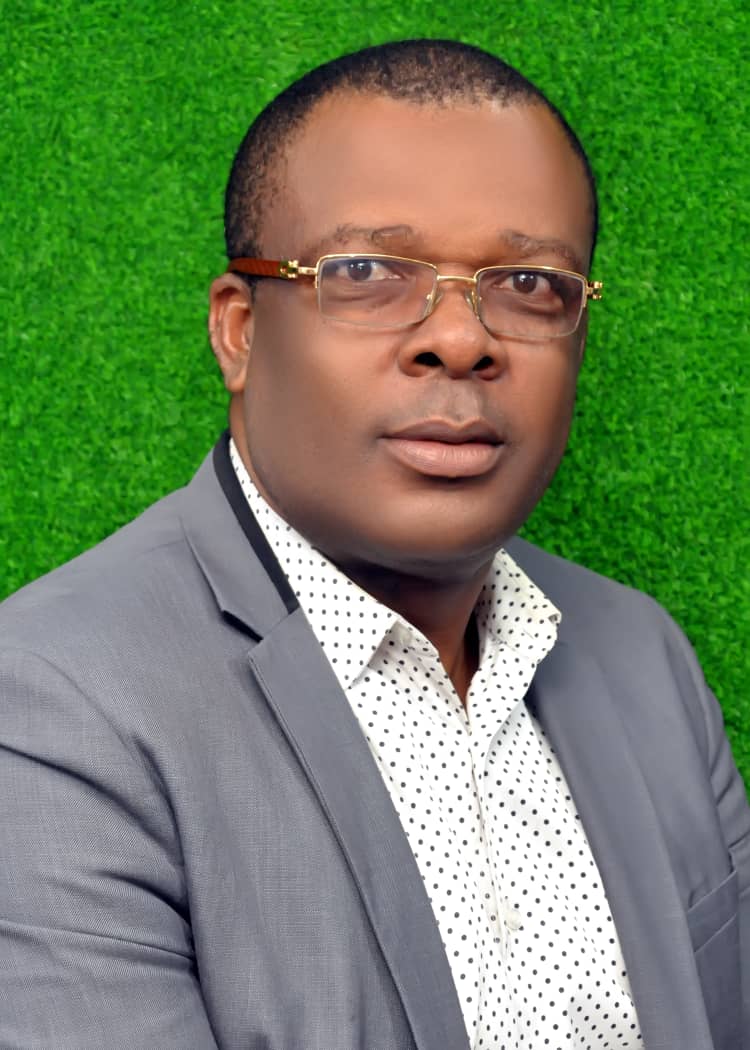
Dr Mbamalu, a Jefferson Fellow of the East-West Centre, Hawaii-United States, is a columnist and Publisher of Prime Business Africa

Dr. Marcel Mbamalu is a distinguished communication scholar, journalist, and entrepreneur with three decades of experience in the media industry. He holds a Ph.D. in Mass Communication from the University of Nigeria, Nsukka, and serves as the publisher of Prime Business Africa, a renowned multimedia news platform catering to Nigeria and Africa's socio-economic needs.
Dr. Mbamalu's journalism career spans over two decades, during which he honed his skills at The Guardian Newspaper, rising to the position of senior editor. Notably, between 2018 and 2023, he collaborated with the World Health Organization (WHO) in Northeast Nigeria, training senior journalists on conflict reporting and health journalism.
Dr. Mbamalu's expertise has earned him international recognition. He was the sole African representative at the 2023 Jefferson Fellowship program, participating in a study tour of the United States and Asia (Japan and Hong Kong) on inclusion, income gaps, and migration issues.
In 2020, he was part of a global media team that covered the United States presidential election.
Dr. Mbamalu has attended prestigious media trainings, including the Bloomberg Financial Journalism Training and the Reuters/AfDB Training on "Effective Coverage of Infrastructural Development in Africa."
As a columnist for The Punch Newspaper, with insightful articles published in other prominent Nigerian dailies, including ThisDay, Leadership, The Sun, and The Guardian, Dr. Mbamalu regularly provides in-depth analysis on socio-political and economic issues.