Chigozirim Okoli
The Board of the Nigerian Electricity Regulatory Commission (NERC) has been reconstituted after Senate confirmation of new nominees, signaling another major shake-up in Nigeria’s power sector leadership, Prime Business Africa reports.
Following the Senate’s approval on Tuesday, President Tinubu granted executive approval for the appointments, which were formally communicated in a presidential statement issued in Abuja by Bayo Onanuga, Special Adviser on Information and Strategy, on Thursday.
The reconstituted board consists of seven members, with experienced regulators and energy sector experts entrusted with oversight of the nation’s electricity market.
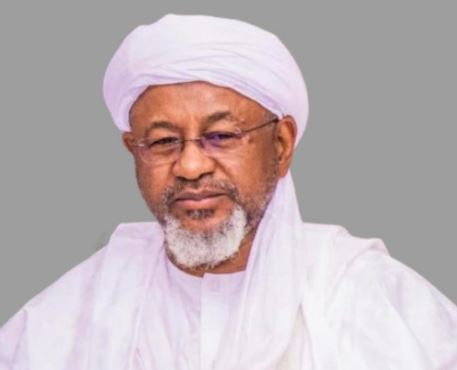
Join our WhatsApp ChannelDr. Mulisiu Olalekan Oseni, PhD, a longtime NERC commissioner who began serving in January 2017, was appointed Chairman.
His tenure as chairman “took effect from 1 December 2025 and shall subsist until the completion of his ten-year tenure at the Commission, in accordance with the provisions of the Electricity Act, 2023.”
READ ALSO : Tinubu Presents N58.18trn 2026 Budget, Promises Stronger Discipline in Execution
NOM Demands Immediate Suspension of Tinubu’s New Tax Law, Warns of Worsening Hardship
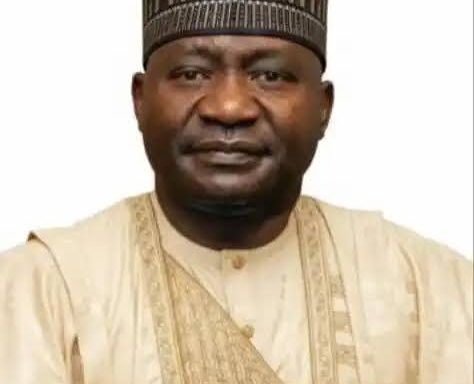
Dr. Yusuf Ali, PhD was named Vice Chairman, and other board members include Nathan Rogers Shatti, Dafe Akpeneye, Aisha Mahmud Kanti Bello, Dr. Chidi Ike, and Dr. Fouad Animashaun, each with varying terms and prior experience within the regulatory framework.
Dr. Animashaun, notably, is an energy economist who most recently served as Executive Commissioner and CEO of the Lagos State Electricity Regulatory Commission.
This development matters because NERC is the primary regulatory authority for Nigeria’s electricity sector, responsible for setting tariffs, issuing licences, protecting consumer interests, and ensuring fair competition within the market. The reconstitution arrives at a time when the sector is grappling with longstanding challenges such as inconsistent power supply, market inefficiencies, and investor concerns.
A fully renewed and strategically tasked board is essential to drive reforms aligned with both national policy and industry expectations.
According to the presidential statement, President Tinubu “charged the board members of NERC to deepen and consolidate the ongoing transformation of Nigeria’s power sector, in strict alignment with the letter and spirit of the Electricity Act, 2023.”
This directive signals a clear policy objective: to strengthen regulatory oversight and accelerate structural reforms outlined in the Electricity Act, a key legal framework intended to modernize and improve the performance of Nigeria’s power industry.
The process that led to this reconstitution began when the president forwarded the nominees for Senate confirmation.
Following parliamentary approval on 16 December, the appointees were formally instated through an executive decision and public announcement two days later.
This procedural sequence ensured constitutional compliance and legislative backing for the new board’s authority.
The reconstituted NERC board is positioned to play a central role in implementing regulatory reforms and enhancing operational stability in the electricity sector.
With experienced leadership drawn from within the sector, and a presidential mandate to pursue deeper transformation, the board’s performance could influence everything from electricity reliability and tariff structures to investment confidence and consumer protection.
The success or failure of these reforms will have far-reaching implications for economic growth and everyday life for Nigerians who continue to struggle with unreliable power supply.