Chigozirim Okoli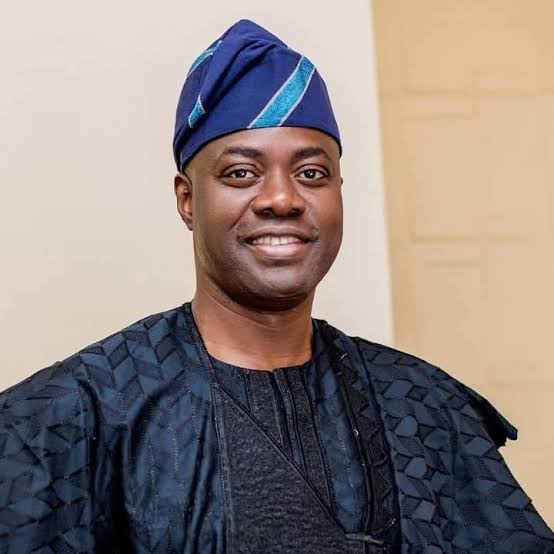
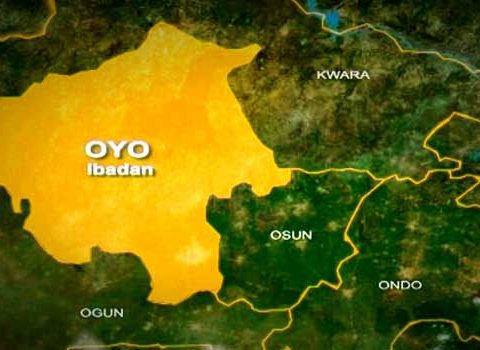
The revival of the Oyo State Council of Obas and Chiefs after nearly 15 years of inactivity has reopened a sensitive debate over authority, influence, and consensus among the state’s foremost traditional institutions, following the conspicuous absence of the Alaafin of Oyo, Oba Akeem Owoade, at the council’s inauguration in Ibadan.
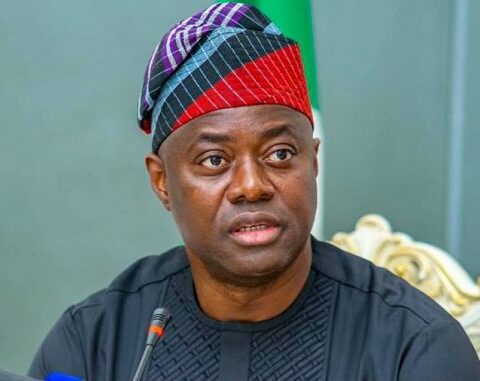
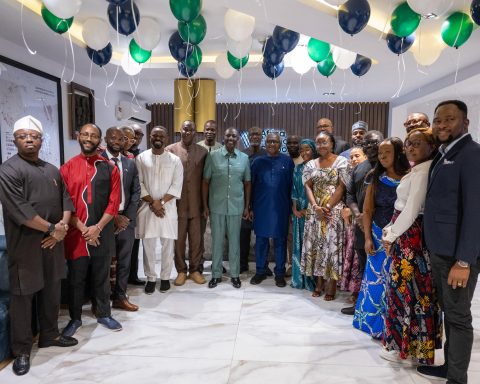
Governor Seyi Makinde on Monday formally inaugurated the statutory council at the House of Chiefs Hall, State Secretariat, Agodi, describing the development as a critical step toward strengthening collaboration between traditional rulers and the state government. However, the non-attendance of the Alaafin historically the permanent chairman of the council quickly became a focal point of public and royal attention.
The revived council is operating under a new leadership framework introduced through amendments to the Oyo State Council of Obas and Chiefs Law, which replaced the Alaafin’s long-standing permanent chairmanship with a rotational system.
Join our WhatsApp ChannelUnder the revised arrangement, the chairmanship will rotate every two years among the Olubadan of Ibadanland, the Alaafin of Oyo, and the Soun of Ogbomosoland.
At the inauguration, the Olubadan of Ibadanland, Oba Rashidi Adewolu Ladoja (Arusa I), was installed as the pioneer chairman, marking the formal commencement of the rotational leadership model.
While more than 30 traditional rulers from across the state attended the event, the Alaafin’s absence fueled speculation about underlying disagreements over the restructuring of the council’s leadership and the process leading to its implementation.
READ ALSO : Coronation of 46th Alaafin: We’ll Never Toy With Oyo Tradition, Declares Makinde
The Alaafin’s palace subsequently challenged claims that the monarch had been consulted on the rotational arrangement, issuing a statement denying that any formal discussions or endorsements had taken place between the palace, the governor, or other traditional rulers on the matter. The rebuttal highlighted lingering concerns within the Oyo royal institution about the redefinition of historical hierarchy within the council.
Governor Makinde, in his address, maintained that the council’s revival was guided by the need for inclusiveness, equity, and effective engagement of traditional rulers in governance. He said the council would serve as a platform for collaboration on peacebuilding, security, and grassroots development, rather than a forum for ceremonial leadership.
Support for the move also came from the Forum of Local Government Chairmen in Oyo State, which described the council’s return as a strategic intervention capable of strengthening local governance, particularly in rural communities where traditional rulers play a central role in dispute resolution and community mobilization.
Beyond the symbolism of its revival, the renewed Obas’ Council represents a significant recalibration of traditional power in Oyo State, shifting from a single-chair dominance to a shared leadership structure that reflects the state’s evolving political and cultural realities.
However, the Alaafin’s absence and the palace’s public objections suggest that the transition may test relations among the state’s leading monarchies. Observers say the long-term success of the rotational model will depend on consensus, mutual respect, and the ability of the council to function as a unifying institution rather than a point of royal contention.
As the council begins operations under its new framework, attention will remain on whether the restructured leadership can bridge historical sensitivities and deliver the cooperative governance envisioned by its promoters.