 Amanze Chinonye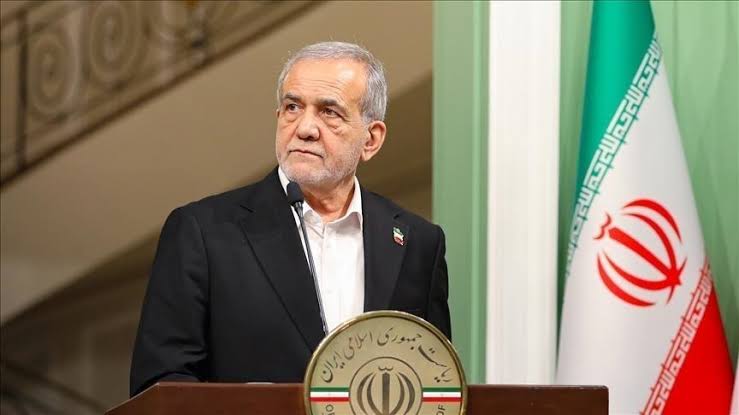
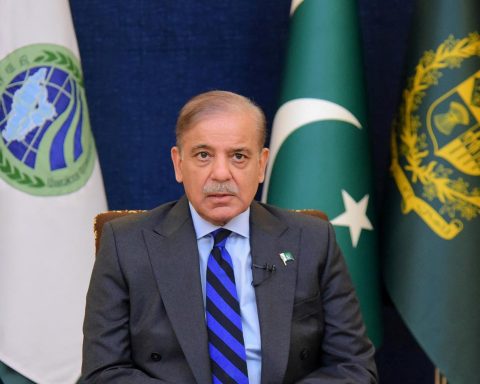
Iranian President Masoud Pezeshkian has disclosed that his official monthly salary stands at about $1,000, a revelation that comes as the country battles surging inflation and a dramatic slide in its national currency.
Pezeshkian, a physician-turned-politician who assumed office in July 2025, made the remark while reflecting on earnings in the medical profession in earlier years. “In the olden days a doctor working in a remote area made six thousand dollars a month,” he said, adding that “as president, now I make a thousand dollars a month.”
His comments have drawn attention against the backdrop of Iran’s worsening economic crisis, marked by accelerating inflation and a steep depreciation of the rial.
Join our WhatsApp ChannelREAD ALSO : Iran Widens Crackdown, Arrests Key Reformist Leaders
When Pezeshkian took office in July 2025, the exchange rate was approximately 600,000 rials to the U.S. dollar. It has since weakened to more than 1,600,000 rials per dollar, underscoring the scale of the currency’s decline and its impact on purchasing power.
Economists say the sharp fall in the rial has intensified inflationary pressures, raising the cost of imported goods and essential commodities. Households across the country have faced mounting financial strain as wages struggle to keep pace with rising prices.
While presidential compensation is set within Iran’s public sector pay framework, Pezeshkian’s disclosure has resonated widely because it reflects the broader erosion of real incomes amid persistent economic instability.
The administration now faces increasing pressure to stabilise the currency, rein in inflation and restore confidence in the economy as living costs continue to climb nationwide.

Amanze Chinonye is a Staff Correspondent at Prime Business Africa, a rising star in the literary world, weaving captivating stories that transport readers to the vibrant landscapes of Nigeria and the rest of Africa. With a unique voice that blends with the newspaper's tradition and style, Chinonye's writing is a masterful exploration of the human condition, delving into themes of identity, culture, and social justice. Through her words, Chinonye paints vivid portraits of everyday African life, from the bustling markets of Nigeria's Lagos to the quiet villages of South Africa's countryside . With a keen eye for detail and a deep understanding of the complexities of Nigerian society, Chinonye's writing is both a testament to the country's rich cultural heritage and a powerful call to action for a brighter future. As a writer, Chinonye is a true storyteller, using her dexterity to educate, inspire, and uplift readers around the world.