Amanze Chinonye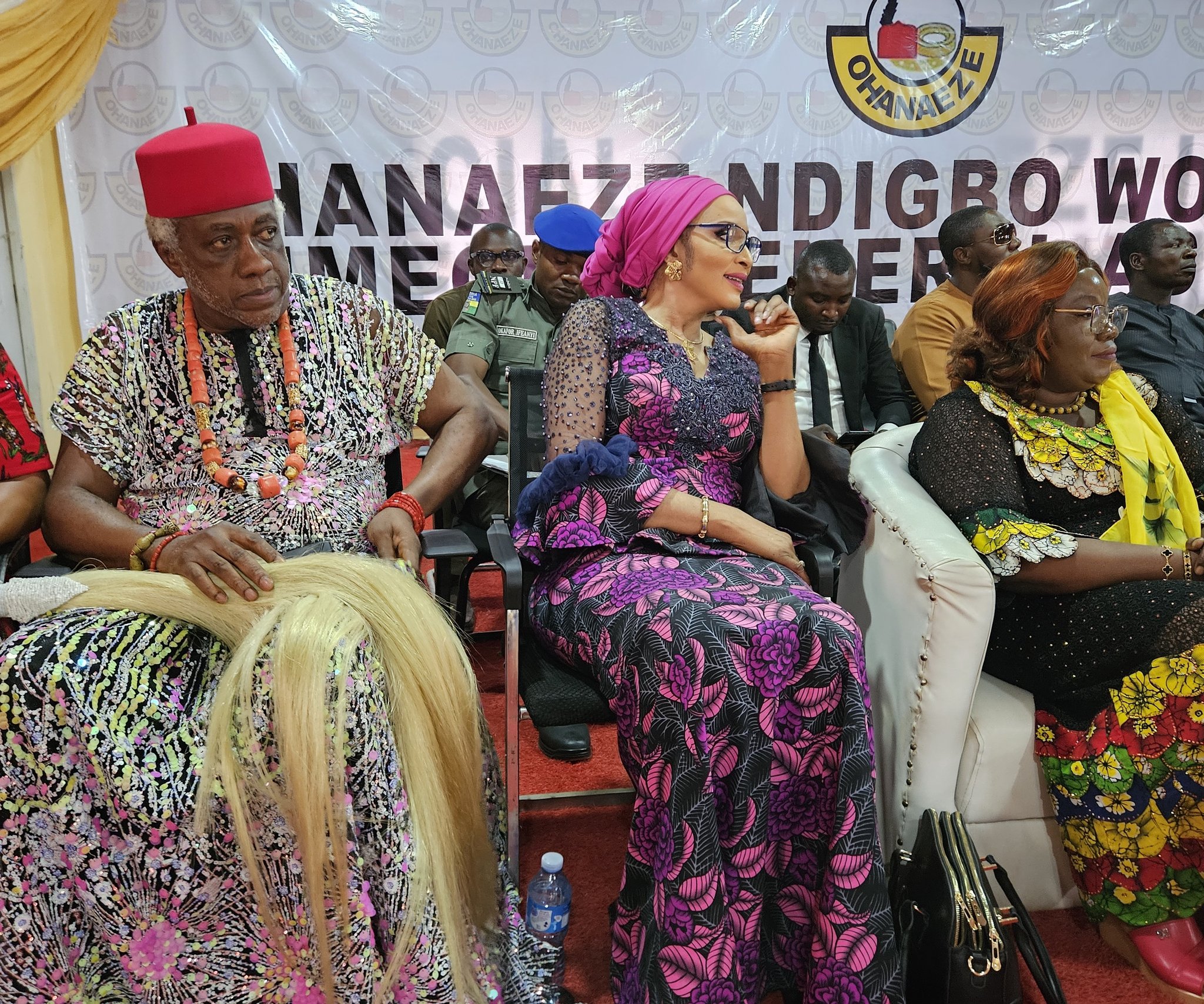
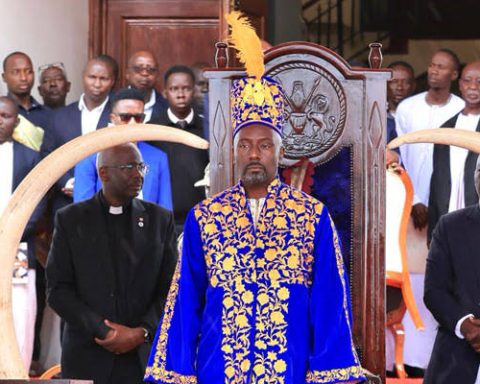
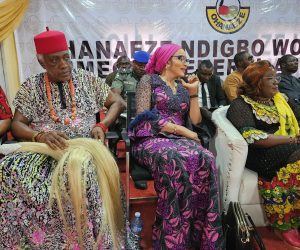
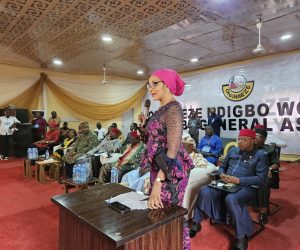
The apex Igbo socio-cultural organisation, Ohanaeze Ndigbo Worldwide, has announced an outright ban on the coronation of “Eze Ndigbo” (Igbo kings) in foreign countries, citing growing diplomatic concerns and incidents of violence linked to the practice, Prime Business Africa reports.
The decision was reached during a critical session of the group’s highest decision-making body, Imeobi Ohanaeze, where members deliberated on the increasing controversies surrounding the installation of traditional rulers within Igbo diaspora communities.
Join our WhatsApp Channel
The organisation said the practice has, in recent times, triggered tensions with host countries, sometimes escalating into violence and straining diplomatic relations.
READ ALSO :
Five Things To Know About New Ohanaeze President-General, Azuta-Mbata
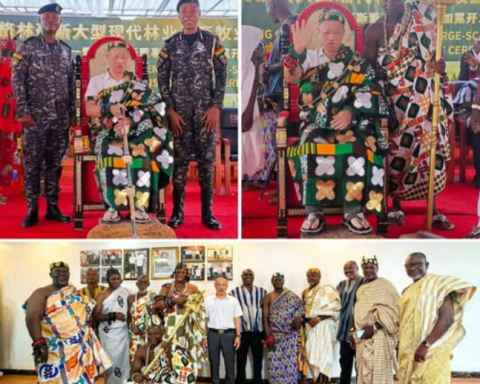
A recent incident in Ghana was highlighted, where the coronation of an Igbo traditional ruler reportedly led to a diplomatic standoff, requiring high-level interventions to calm tensions and reverse a quit notice issued against Nigerians.
Similarly, in Eastern Cape, South Africa, the installation of an “Eze Ndigbo na East London” sparked outrage among local residents and authorities. The development reportedly degenerated into violent protests, with demonstrators opposing what they perceived as a challenge to existing traditional authority structures. At least 13 vehicles were said to have been destroyed during the unrest.
Ohanaeze acknowledged the right of Igbo communities in the diaspora to preserve and promote their cultural heritage but stressed that such efforts must be pursued with sensitivity to the traditions and socio-political realities of host nations.
READ MORE :
Ohanaeze Ndigbo Rejects Gowon’s Claim Civil War Wasn’t Anti-Igbo
The group noted that the assumption of traditional rulership titles in foreign lands is often viewed as provocative and disrespectful by local populations, especially when accompanied by lavish displays of wealth.
As part of its resolution, Ohanaeze advised that leaders of Igbo communities abroad adopt more culturally neutral titles such as “Onyendu,” meaning leader, rather than assuming monarchical titles like “Eze” outside Nigeria.
 @
@
The organisation further warned that sanctions may be introduced against individuals or groups who violate the directive, emphasising that the actions of a few should not endanger the lives and property of others in the diaspora.
Meanwhile, Nigeria’s Federal Ministry of Foreign Affairs is said to be engaging diplomatic channels to address the issue and will communicate the directive to Nigerian missions and host governments worldwide.

Amanze Chinonye is a Staff Correspondent at Prime Business Africa, a rising star in the literary world, weaving captivating stories that transport readers to the vibrant landscapes of Nigeria and the rest of Africa. With a unique voice that blends with the newspaper's tradition and style, Chinonye's writing is a masterful exploration of the human condition, delving into themes of identity, culture, and social justice. Through her words, Chinonye paints vivid portraits of everyday African life, from the bustling markets of Nigeria's Lagos to the quiet villages of South Africa's countryside . With a keen eye for detail and a deep understanding of the complexities of Nigerian society, Chinonye's writing is both a testament to the country's rich cultural heritage and a powerful call to action for a brighter future. As a writer, Chinonye is a true storyteller, using her dexterity to educate, inspire, and uplift readers around the world.