 Amanze Chinonye
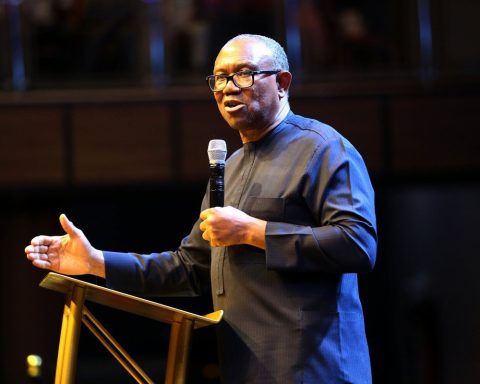
Former Anambra State governor, Peter Obi, and ex-Kano State governor, Rabiu Musa Kwankwaso, have formally defected to the Nigerian Democratic Congress (NDC), in what analysts describe as a significant development in Nigeria’s evolving opposition landscape ahead of the 2027 general elections.
The two political heavyweights announced their move on Sunday, framing the decision as part of a broader effort to “rescue Nigeria” from what they described as worsening socio-economic and political conditions.
READ ALSO :
Join our WhatsApp Channel10 Things Nigerians Must Know About the Nigeria Democratic Congress (NDC)
Obi, in a detailed statement, said his defection from the African Democratic Congress (ADC) was driven by “deep reflection” on the state of the nation, stressing that the move was neither borne out of personal ambition nor political convenience.
“The condition of our nation and the urgent need to rescue Nigeria informed my decision,” Obi said. “This decision was not made out of anger, personal ambition, or convenience, but after deep reflection on the present condition of our nation.”
He added that his political decisions have consistently been guided by the welfare of ordinary Nigerians, citing rising poverty, economic hardship, insecurity, and declining public confidence in governance.
Obi further alleged that internal crises and prolonged litigations within opposition parties were being “deliberately orchestrated” to weaken credible political participation.
“I left the ADC for the same reason I left the Labour Party severe, orchestrated litigation and internal crises designed to prevent effective participation,” he stated.
Despite his exit, Obi expressed gratitude to the ADC leadership, particularly its chairman, David Mark, and acknowledged the role of former Vice President, Atiku Abubakar, describing him as a political leader and ally.
He also warned against what he termed the weaponisation of democratic processes, urging the Federal Government to desist from encouraging instability within opposition parties.
“Democracy must never become a weapon against the people,” Obi said. “Opposition parties must not be weakened or destroyed, because when democracy loses balance, the people ultimately suffer.”
READ MORE :
Obi, Kwankwaso, Dickson Float New Coalition, Join NDC to ‘Rescue Democracy’ Ahead of 2027
On his part, Kwankwaso described the move to the NDC as a “bold and decisive step,” made in pursuit of democratic ideals and good governance.
Speaking after the announcement at the Abuja residence of former Bayelsa State governor, Seriake Dickson, Kwankwaso said the NDC would serve as a credible platform for Nigerians seeking meaningful political alternatives.
“We are determined to provide our people with a credible platform where they can thrive and realise their full potential,” he said, calling on supporters nationwide to rally behind the new political movement.
The NDC, which is emerging as a coalition platform for opposition figures, is expected to reshape political alignments in the coming months, particularly as conversations around a unified opposition front intensify.
Both leaders emphasised that their decision reflects a continuation of their long-standing political philosophy centred on accountability, competence, and inclusive governance.
Obi, in particular, urged Nigerians not to lose hope despite prevailing challenges, noting that national transformation requires sustained belief and collective sacrifice.
“The task before us is bigger than any individual or political party,” he said. “It is about the future of our children and the survival of our dear nation.”

Amanze Chinonye is a Staff Correspondent at Prime Business Africa, a rising star in the literary world, weaving captivating stories that transport readers to the vibrant landscapes of Nigeria and the rest of Africa. With a unique voice that blends with the newspaper's tradition and style, Chinonye's writing is a masterful exploration of the human condition, delving into themes of identity, culture, and social justice. Through her words, Chinonye paints vivid portraits of everyday African life, from the bustling markets of Nigeria's Lagos to the quiet villages of South Africa's countryside . With a keen eye for detail and a deep understanding of the complexities of Nigerian society, Chinonye's writing is both a testament to the country's rich cultural heritage and a powerful call to action for a brighter future. As a writer, Chinonye is a true storyteller, using her dexterity to educate, inspire, and uplift readers around the world.