 Emmanuel Ochayi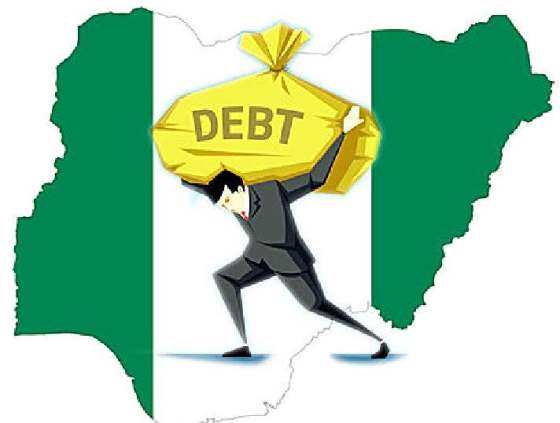
As of December 2023, Nigeria’s public debt surged to ₦97.34 trillion, according to data from the Debt Management Office (DMO).
This marks a significant increase of 146% from the previous year, a development that underscores the country’s growing debt burden.
Join our WhatsApp ChannelThe primary drivers of this surge include the addition of ₦20 trillion from the Central Bank of Nigeria’s Ways and Means lending to the government, coupled with a 60% devaluation of the naira. These factors have contributed to the complexity of Nigeria’s debt landscape, prompting a closer examination of its largest creditors.
Domestic Debt:
Nigeria’s domestic debt, amounting to approximately ₦59.12 trillion, constitutes a substantial portion of the overall public debt. This includes various instruments such as FGN securities, treasury bills, and promissory notes.
Speaking on the matter, an official from the DMO remarked, “The significant increase in domestic debt reflects the government’s reliance on various financial instruments to address budget deficits and fund infrastructure projects.”
READ ALSO: Nigeria’s Public Debt Rises To N87.91trn- DMO Reveals
Key highlights of Nigeria’s domestic debt include:
- FGN Bonds: With a total of ₦42.2 trillion, FGN bonds have witnessed a remarkable surge of 169.5% year-over-year, primarily attributed to the inclusion of Ways and Means lending. These bonds play a crucial role in financing the country’s budgetary requirements.
- Treasury Bills: Nigeria’s treasury bills stand at ₦6.5 trillion, marking a notable increase of 47.5% from the previous year. These short-term securities are instrumental in managing liquidity and regulating monetary policy.
- Promissory Notes: The issuance of promissory notes has soared by 150.8% year-over-year, reaching ₦1.33 trillion. This reflects the government’s efforts to settle arrears and fund essential projects, thereby stimulating economic growth.
- FGN Sukuk Fund: Nigeria’s FGN Sukuk Fund has grown to ₦1.09 trillion, indicating a 47.1% increase from the previous year. These funds are directed towards financing critical infrastructure projects across the country.
- FGN Saving Bonds: At ₦39.18 billion, FGN Saving Bonds have witnessed a significant uptick of 42.4% year-over-year, signaling increased public investment in government-backed savings instruments.
Foreign Debt:
Nigeria’s external debt stands at $42.5 billion (₦38.22 trillion), with states accounting for $4.61 billion (₦4.15 trillion). The country owes various bilateral and multilateral creditors, reflecting its global financial engagements.
Highlighted creditors include:
- Islamic Development Bank: Lending from the Islamic Development Bank has surged by 70.01% year-over-year, reaching $238.17 million. This underscores the bank’s commitment to supporting developmental projects within its member countries.
- Africa Growing Together Fund: Managed by the African Development Bank, the Africa Growing Together Fund has witnessed a positive change, growing by 28.50% year-over-year to $23.35 million. This reflects an expanded commitment to fostering sustainable growth in Africa.
- Exim Bank of China: China’s Exim Bank continues to play a crucial role in financing development projects in Nigeria, with loans increasing by 20.30% year-over-year to $5.17 billion. These funds are primarily directed towards infrastructure development, particularly in the transportation sector.
- International Development Association: The International Development Association, a part of the World Bank Group, has increased its financial support to $14.96 billion, indicating sustained assistance for poverty reduction strategies and economic development programs.
- International Fund For Agricultural Development: The International Fund For Agricultural Development has witnessed a lending increase to $277.4 million, emphasizing its commitment to agricultural development and rural poverty reduction.
Analysis and Implications Of Public Debt:
Nigeria’s public debt, accounting for approximately 42% of the country’s GDP, remains within international limits but exceeds Nigeria’s self-imposed limit of 40%. Moreover, the composition of debt, with a majority in local currency, grants the government a moderate level of control over its management.
However, the substantial portion of foreign currency-denominated debt, coupled with dwindling government revenues and currency devaluation, poses significant challenges. With Nigeria’s external debt exceeding its reserves, servicing these obligations becomes increasingly burdensome.
Looking ahead, Nigeria faces tough decisions regarding debt management and fiscal policies. While borrowing may be necessary to address budget deficits, it must be done prudently to avoid exacerbating the country’s debt vulnerabilities.
As the government navigates these challenges, stakeholders emphasize the importance of transparency, accountability, and strategic debt restructuring to safeguard Nigeria’s economic stability and future prosperity.

Emmanuel Ochayi is a journalist. He is a graduate of the University of Lagos, School of first choice and the nations pride. Emmanuel is keen on exploring writing angles in different areas, including Business, climate change, politics, Education, and others.
- Emmanuel Ochayi
- Emmanuel Ochayi