Nigeria’s Minister Renews Call For Electricity Subsidy Removal, Says FG Owes GenCos N1.3tn, Gas Firms $1.3bn

February 15, 2024
Nigerians Generate 40,000MW Of  Electricity From Generator, Says Minister
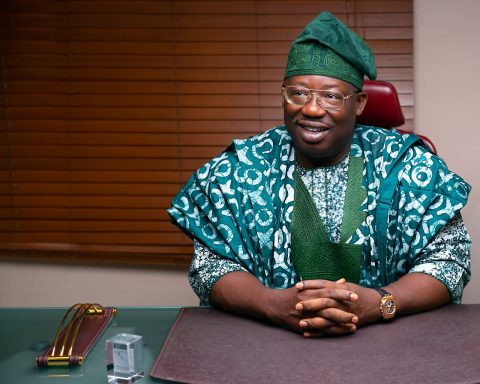
Adelabu

Nigeria’s Minister of Power, Adebayo Adelabu, has reiterated the need to remove subsidy on electricity in the country, saying it has become very difficult to sustain by the government.

Lamenting on the financial burden that subsidy placed on the Federal Government, Adelabu, who spoke to newsmen in Abuja on Wednesday, said it has become imperative to adopt the cost-reflective tariff.

Join our WhatsApp Channel

According to him, the Federal Government is owing Generating companies N1.3 trillion, while the debt to gas companies was $1.3 billion.

The Minister disclosed that only N450 billion was budgeted for electricity subsidy in the 2024 budget even as the Nigerian Electricity Regulatory Commission’s estimate indicated that subsidy would gulp about N2.9 trillion this year.

READ ALSO: Nigeria’s Power Sector Journey: 2023 In Perspective

He said the nation’s power sector had been bedeviled by multiple factors such as serial grid collapses, aging infrastructure, gas supply constraints, indebtedness, and destruction of power stations in some parts of the North-East region of the country, among others, leading to poor power generation and transmission.

Adelabu’s call for removal of electricity subsidy because of the financial burden on the government and the need to improve liquidity in the power sector and upgrade infrastructure, comes days after the International Monetary Fund (IMF) released a report where it also recommended that apart from fuel subsidy, electricity Subsidy should also go as part of measures to address the country’s macroeconomic challenges.

With the experience of the citizens in the last nine months over the removal of petrol subsidies in terms of high costs of things, many including economic experts have kicked against the call for removal of electricity subsidy.

According to them, it would worsen the economic hardship in the country due to attendant increase in electricity tariff and the implication on energy costs.

victor ezeja
Correspondent at  |  + posts

Victor Ezeja is a passionate journalist with seven years of experience writing on economy, politics and energy. He holds a Master's degree in Mass Communication.

Victor Ezeja

Victor Ezeja is a passionate journalist with seven years of experience writing on economy, politics and energy. He holds a Master's degree in Mass Communication.

What is the cause of the Heatwaves In Nigeria
Previous Story

Why Is Nigeria So Hot Right Now?

Putin Wants Biden To Be US President Not Trump
Next Story

Putin Wants Biden To Be US President Not Trump

Featured Stories

Latest from Business

CBN Clears Bank of Industry to Roll Out Non-Interest Financing Window

The Bank of Industry (BoI) has received regulatory approval from the Central Bank of Nigeria (CBN) to operate a Non-Interest Banking (NIB) Window, marking a major expansion of its financing framework aimed at promoting inclusive and sustainable industrial development. The approval authorises
Transcorp Power's Expenses Rising Faster Than Revenue

Transcorp Power’s Expenses Rising Faster Than Revenue

Transcorp Power’s expenses are rising faster than the company’s revenue, according to Prime Business Africa’s analysis of the firm’s annual reports and accounts for the year ended December 31, 2025. The company had generated N398.26 billion in revenue between January and December
What is the cause of the Heatwaves In Nigeria
Previous Story

Why Is Nigeria So Hot Right Now?

Putin Wants Biden To Be US President Not Trump
Next Story

Putin Wants Biden To Be US President Not Trump

Don't Miss

Omo

Lesotho Shocks Nigeria As Hostility Begins In 2026 World Cup Qualifiers

Nigeria’s quest to qualify for the 2026 FIFA World Cup
Publish Details Of Meter Purchase Refunds To Customers, NERC Orders DisCos 

More Financial Burden For Nigerian Customers As NERC Plans To Increase Price Of  Prepaid Metre

The Nigerian Electricity Regulatory Commission (NERC) is contemplating another increase