 Emmanuel Ochayi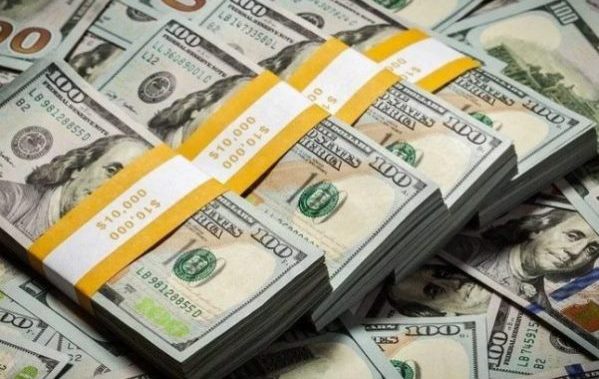
Nigeria’s Foreign Reserves See Significant Growth
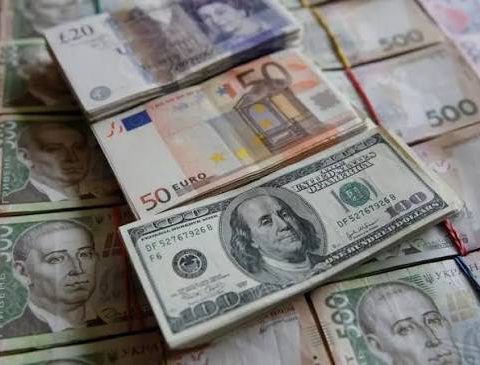
Nigeria’s foreign exchange reserves have risen by $621.2 million within 10 days, thanks to the successful sale of a domestic dollar bond.
This growth has come at a crucial time, as the country looks to strengthen its financial standing. The foreign reserves increased from $36.24 billion on September 2, 2024, to $36.87 billion by September 12, 2024.
Join our WhatsApp ChannelAccording to data from the Central Bank of Nigeria (CBN), the rise in foreign reserves was spurred by the country’s first-ever domestic dollar-denominated bond issuance. The $500 million bond, issued at an annual coupon rate of 9.75%, saw high demand from investors.
Steady Growth in Foreign Reserves
The boost in Nigeria’s foreign reserves was observed gradually over the 10 days. On September 2, the reserves were at $36.24 billion, and by September 3, they had risen to $36.27 billion, reflecting an initial increase of $30 million.
By September 6, the reserves had reached $36.39 billion, with the CBN’s bond strategy gaining momentum.
Between September 6 and September 9, the reserves jumped to $36.64 billion, marking one of the most significant phases of accumulation during this period.
The largest single-day growth was observed between September 11 and September 12, when the reserves surged by $54.4 million, bringing the total to $36.87 billion.
Impact of Domestic Dollar Bond Sale
The increase in Nigeria’s foreign reserves has been directly linked to the recent domestic bond sale. Speaking on the success of the bond issuance, a representative from the Africa Finance Corporation (AFC) explained, “The overwhelming response from investors demonstrates strong confidence in Nigeria’s economy.
This $500 million bond attracted over $900 million in subscriptions, a clear indication of the trust in our capital markets.”
READ ALSO: Nigeria’s Foreign Reserves Hit $35.05bn, Highest Since Tinubu Assumed Office
The bond issuance attracted a wide range of investors, from local Nigerians and Diaspora members to major institutional investors.
The AFC added, “This bond sale highlights Nigeria’s growing presence in the international financial market and strengthens our foreign reserves, giving the country a much-needed boost.”
Strategic Timing for the Economy
Nigeria’s rising foreign reserves come at a time of significant economic pressure. The country has been grappling with various financial challenges, including the need to stabilize the naira amid global currency fluctuations.
In August 2024, Nigeria’s foreign reserves had dipped by $505.68 million, marking the steepest decline since April of the same year.
However, the recent bond issuance has turned things around, providing Nigeria with fresh capital to support the economy.
“This bond sale has allowed us to bring in substantial foreign capital, which is critical for strengthening our reserves and supporting the naira,” noted a financial expert familiar with the bond offering.
Future Implications for Nigeria’s Economy
The success of the bond sale signals growing confidence in Nigeria’s economic future. The five-year bond, which saw a 180% subscription rate, will be available for trading on both the Nigerian Exchange Limited (NGX) and FMDQ Securities Exchange Limited.
As Nigeria continues to face external economic pressures, the increase in foreign reserves is a positive sign of the country’s ability to attract investment and boost liquidity.
One local economist commented, “This rise in foreign reserves will help stabilize the financial system, ensuring that Nigeria can continue to meet its international obligations.”
With the bond now trading on local exchanges, the government is optimistic about future bond issuances, which could further strengthen Nigeria’s foreign reserves and contribute to economic recovery.
In conclusion, the sharp increase in Nigeria’s reserves, driven by the domestic dollar bond sale, offers hope for economic stability in the coming months.
The CBN will likely continue exploring similar financial strategies to sustain this momentum and ensure that the foreign reserves remain robust amidst global challenges.

Emmanuel Ochayi is a journalist. He is a graduate of the University of Lagos, School of first choice and the nations pride. Emmanuel is keen on exploring writing angles in different areas, including Business, climate change, politics, Education, and others.
- Emmanuel Ochayi
- Emmanuel Ochayi