Nigerian Govt To Raise $10bn To Boost Foreign Exchange Liquidity As Naira Falls To N1,850/$1

February 21, 2024
Naira Ends Week With N30 Gain In Black Market: Hope For Naira?

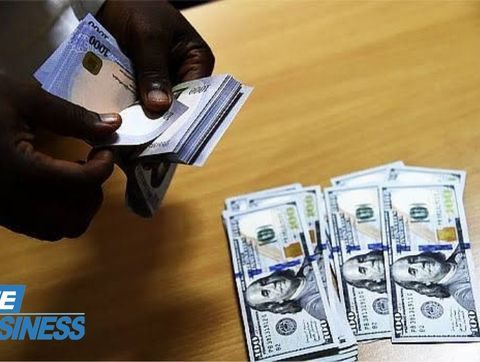
In a bid to address the escalating challenges in the foreign exchange market, the Nigerian Federal Government has announced plans to secure a substantial sum of $10 billion.

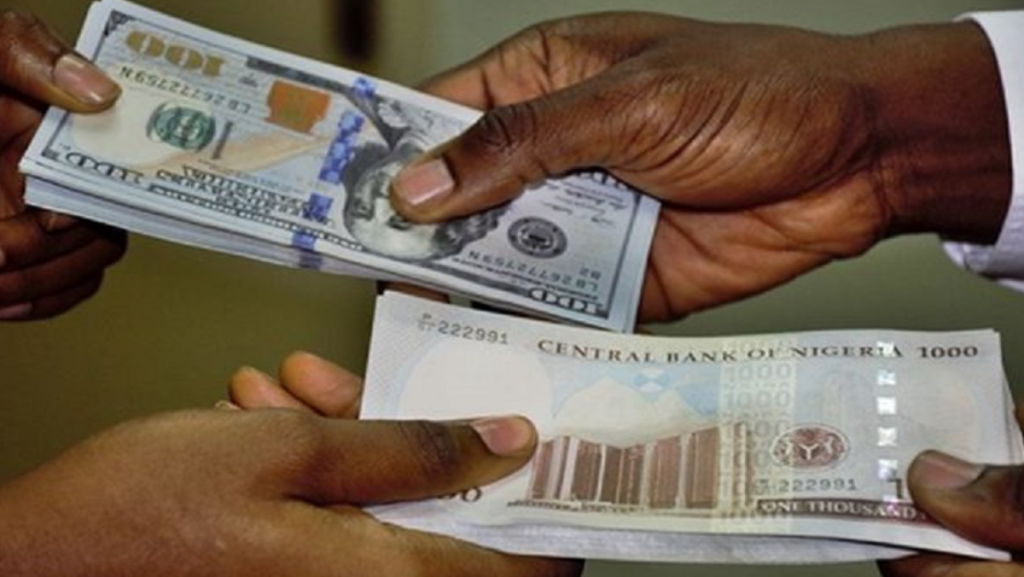
The aim is to enhance liquidity and stabilize the naira, which recently plummeted to an unprecedented low of 1,850 per dollar in the parallel market.

Join our WhatsApp Channel

During the inaugural Public Wealth Management Conference in Abuja, President Bola Tinubu, represented by Vice President Kashim Shettima, revealed the government’s strategy. The event, organized by the Ministry of Finance Incorporated under the theme “Championing Nigeria’s Economic Prosperity,” underscored the urgency of bolstering the nation’s economic resilience.

READ ALSO: Naira Traded Above N2,000/1£ At parallel market

Stanley Nkwocha, Senior Special Assistant to the President on Media & Communications, elucidated on the government’s objectives, stating, “The Federal Government’s primary focus is to augment foreign exchange liquidity to stabilize the naira and foster economic growth.”

Transparency and accountability were highlighted as pivotal principles by President Tinubu, who emphasized the significance of optimized management of government assets and investments. He asserted that these measures would pave the way for a doubled GDP growth rate and substantial expansion of the GDP base within the next eight years.

However, despite efforts to restore stability, exchange rate volatility persisted across the country. In Abuja’s Wuse Zone 4 currency market, traders quoted the dollar at 1,820/$ for buying and 1,850/$ for selling. Ibrahim Taura, a bureau de change operator, warned of a potential further decline to 2,000/$ without decisive interventions.

Meanwhile, at the official market, the naira exhibited a modest appreciation of 1.48%, reaching 1,551/$, following increased forex turnover. This development comes amid ongoing challenges stemming from reduced oil production and foreign inflows.

Since the Central Bank of Nigeria floated the naira in June 2023, the currency has experienced substantial devaluation. Despite concerted efforts, the nation grapples with persistent forex shortages, necessitating robust measures to fortify economic stability and restore investor confidence.

emmmmmm
+ posts

Emmanuel Ochayi is a journalist. He is a graduate of the University of Lagos, School of first choice and the nations pride. Emmanuel is keen on exploring writing angles in different areas, including Business, climate change, politics, Education, and others.

Emmanuel Ochayi

Emmanuel Ochayi is a journalist. He is a graduate of the University of Lagos, School of first choice and the nations pride. Emmanuel is keen on exploring writing angles in different areas, including Business, climate change, politics, Education, and others.
IMF Sympathises With Victims Of Kenya Anti-tax Protest
Previous Story

IMF Urges Nigeria To Boost Agriculture Inputs Amidst Soaring Food Prices

6 Factors Behind Poor Performance Of Nigeria’s Oil & Gas Stocks This Year
Next Story

Nigerian Equity Market Suffers Another Blow: N730bn Lost In Two Days

Featured Stories

Latest from Business

GivTrade Secures UAE SCA Category 5 Licence

GivTrade, an international multi-asset brokerage providing access to global markets via CFDs, on Wednesday announced that it has been granted a Category 5 (“Arrangement and Advice”) license by the UAE Securities and Commodities Authority (SCA), marking a significant milestone in the broker’s
Nigeria Air: Airline Operators Hail Judiciary, Aviation Minister For Upholding Justice

Tax Tangle: Onyema, Achimugu Disagree on Nigeria’s Soaring Airfares

Tax Tangle: Onyema, Achimugu Clash Over Nigeria’s Soaring Airfares The Nigerian Civil Aviation Authority (NCAA) has denied allegations that domestic airfares are inflated due to multiple taxes, attributing the recent surge to market forces. Director of Public Affairs and Consumer Protection, Michael
Tertiary Education in Nigeria

New Tax Laws, Old Fears: When Reform Meets Public Distrust

In June, President Bola Tinubu signed into law four far-reaching tax reform bills, presenting them as a decisive reset for Nigeria’s long-fragmented tax system. The government framed the reforms as a way to simplify taxation, widen the tax base, and protect low-income
IMF Sympathises With Victims Of Kenya Anti-tax Protest
Previous Story

IMF Urges Nigeria To Boost Agriculture Inputs Amidst Soaring Food Prices

6 Factors Behind Poor Performance Of Nigeria’s Oil & Gas Stocks This Year
Next Story

Nigerian Equity Market Suffers Another Blow: N730bn Lost In Two Days

Don't Miss

Cement Prices: House Of Reps Members’ Comments ‘Very Unfair’ To Investors - CPPE

FCCPC’s Mandate Is Consumer Protection, Not Price Control – CPPE

The Centre for the Promotion of Private Enterprise (CPPE) has
Agro-business prime business africa

Top 6 Lucrative Agro-business Ideas

Agrobusiness is an economic sector that includes agriculture and agriculture-related