 Emmanuel Ochayi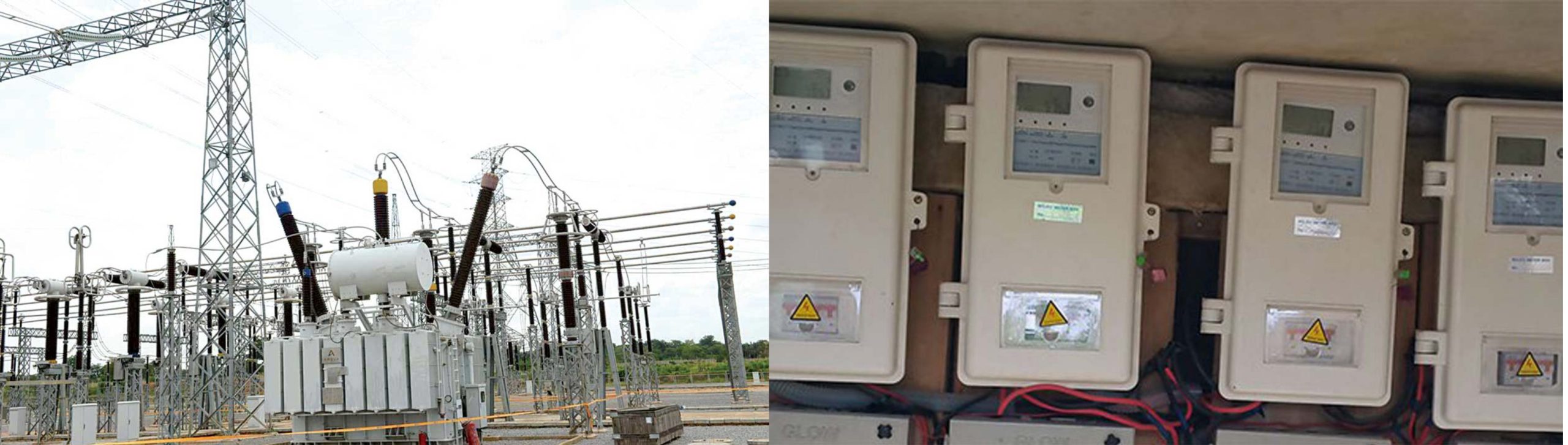
The electricity tariff hike for Band A customers is expected to result in substantial savings for the Federal Government, amounting to approximately N1.5 trillion.
This move is part of the government’s efforts to address the challenges facing the power sector and improve efficiency in electricity distribution across the country.
Join our WhatsApp ChannelIn a statement released on Wednesday by the Federal Ministry of Power, it was revealed that the tariff adjustment would lead to significant cost savings and help enhance liquidity in the Nigeria Electricity Supply Industry (NESI).
According to the statement, the government remains committed to subsidizing electricity for consumers below Band A while ensuring that pricing changes contribute to the overall improvement of the power sector.
Bayo Onanuga, the Special Adviser to the President on Information and Strategy, emphasized the government’s determination to implement the tariff hike as part of its budget plans for energy subsidies in 2024.
He highlighted the projected savings of N1.1 trillion annually, reinforcing the necessity of withdrawing electricity subsidies from a portion of power consumers.
READ ALSO: New Electricity Tariff Hike Will Reduce Subsidy By 40% – NERC
However, the tariff hike has faced opposition from various quarters, including manufacturers and organized labor. Critics argue that the increase in tariffs, particularly for Band A consumers, could impose financial burdens on households and businesses already grappling with economic challenges.
Despite the criticisms, the government remains steadfast in its decision, asserting that Band A customers will benefit from up to 20 hours of power supply daily.
The Nigeria Electricity Regulatory Commission (NERC) announced the revised tariff rates, indicating a significant rise from the previous rates.
To address the issue of metering gaps, the Federal Government launched the Presidential Metering Initiative aimed at installing approximately 2 to 2.5 million meters annually over the next five years. This initiative seeks to eliminate the estimated billing system, which has been a source of contention between consumers and power distribution companies.
A report by NERC revealed that out of over 12 million registered electricity customers in Nigeria, only a fraction have meters, leaving millions of consumers subjected to estimated billing. The government acknowledges the urgency of closing this metering gap and ensuring transparency and objectivity in the billing system.
Adebayo Adelabu, the Minister of Power, reiterated the government’s commitment to ending estimated billing by the end of 2024. He emphasized the need for cooperation between citizens and the government to achieve stable power supply through the installation of meters and the elimination of billing discrepancies.
In conclusion, while the tariff hike may stir controversy, the Federal Government remains resolute in its efforts to revitalize the power sector and improve service delivery to consumers across Nigeria.