 Emmanuel Ochayi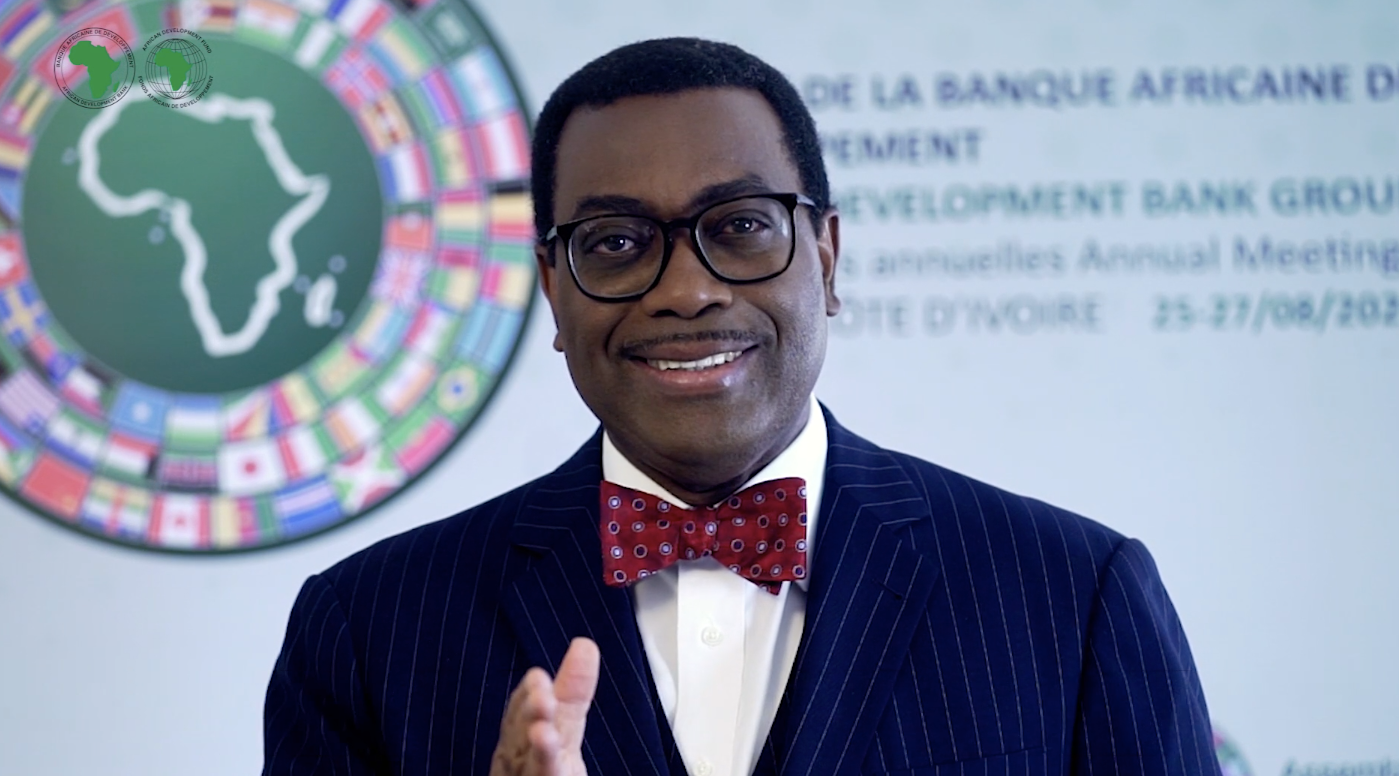
Nigeria’s Electricity Crisis: 86 Million Without Power
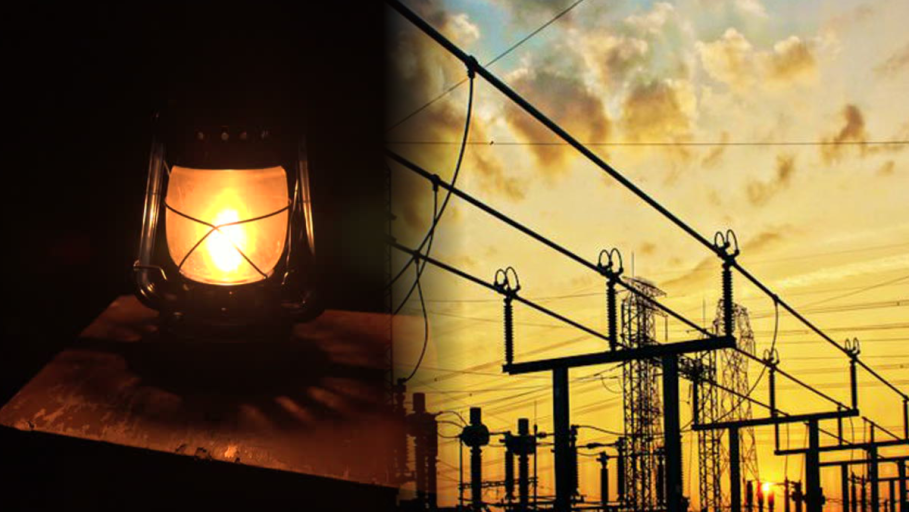
Nigeria is facing a serious electricity crisis, with an alarming 86 million people living without access to electricity. This revelation was made by Akinwunmi Adesina, President of the African Development Bank (AfDB), during the 90th birthday celebration of former Nigerian Head of State, General Yakubu Gowon.
“Nigeria is now the number one country in the world when it comes to the total number of people without electricity,” Adesina said, adding that the lack of a stable electricity supply is severely damaging the country’s economy.
Join our WhatsApp ChannelEconomic Losses Due to Lack of Electricity
Adesina explained that the country’s unreliable electricity supply is leading to enormous financial losses. According to an International Monetary Fund (IMF) report, Nigeria loses approximately $29 billion each year, which is 5.6% of its Gross Domestic Product (GDP), due to the power crisis. Furthermore, Nigerians spend about $14 billion annually on generators and fuel just to keep businesses running.
The absence of electricity has become a major hurdle for businesses and industries across Nigeria. Adesina highlighted the gravity of the situation, saying, “No business can survive in Nigeria without generators. This has made the abnormal seem normal.” The heavy reliance on costly generators means many industries struggle to stay afloat, worsening Nigeria’s already tough economic environment.
AfDB’s Commitment to Power Nigeria
To address the electricity challenge, the AfDB has taken steps to improve the electricity infrastructure, with significant investments focused on both Nigeria and the broader African region. Adesina noted that the bank has already invested $200 million in the Nigerian electrification project as part of efforts to close the electricity access gap. This project aims to improve Nigeria’s national grid, which has been prone to frequent collapses.
Additionally, AfDB has allocated $210 million to Nigeria’s transmission project. This investment will focus on improving the grid’s capacity to evacuate power and to support regional electricity connections. According to Adesina, these projects are crucial to stabilising the electricity supply across the country.
Africa’s Mission 300 for Electricity
In a joint effort with the World Bank, AfDB has launched a major initiative called “Mission 300,” aimed at connecting 300 million people across Africa, including Nigeria, to electricity by 2030. Adesina emphasised the magnitude of the program, calling it the largest electricity access initiative in the world.
“In April, the President of the World Bank and I decided that our two banks will work together to connect 300 million Africans to electricity by 2030. This is what we call the Mission 300,” Adesina announced.
READ ALSO: Nnaji Calls For Return Of Power Purchasing Agreements To Boost Electricity Generation
This initiative will prioritise large-scale investments in renewable energy projects, which will help replace the widespread use of diesel generators. Renewable energy sources, such as solar power, are seen as a sustainable way to solve the electricity crisis that affects millions of people on the continent.
The Impact of Global Funding
Nigeria is set to benefit from a $90 billion electricity fund, jointly backed by the AfDB and the World Bank. This fund is part of Mission 300 and is expected to provide electricity to about 300 million Africans by the year 2030. In Nigeria, this initiative will support various projects designed to expand electricity access to underserved regions of the country.
One major project under the initiative is the Nigeria Distributed Access through Renewable Energy Scale-up (DARES), which aims to reach over 17.5 million Nigerians, providing electricity to 20% of the country’s unserved population. The DARES project also seeks to replace over 250,000 diesel generators, reducing both costs and environmental pollution.
Looking Forward
With such large-scale investments and international support, Nigeria has a chance to significantly improve its power access in the coming years. However, the road ahead remains challenging. While the AfDB and World Bank are working to address the issue, the Nigerian government will also need to ensure that these efforts translate into long-term improvements.
For millions of Nigerians currently living without reliable power, the success of these initiatives could mean a complete transformation of daily life. If Mission 300 and similar projects can achieve their goals, Nigeria could finally start to close its electricity access gap, bringing much-needed power to homes, schools, and businesses across the nation.