 Amanze Chinonye
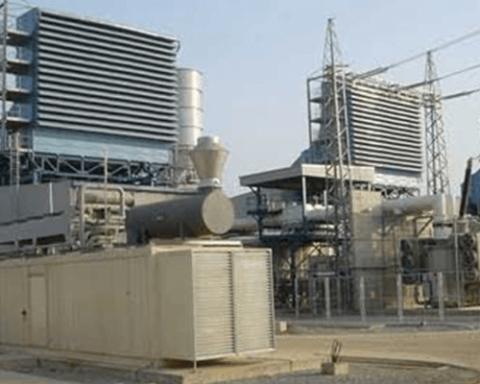
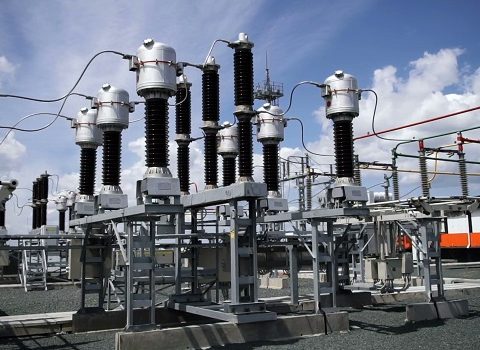
The National Grid has set an ambitious target of achieving approximately 8,500 megawatts of reliable electricity generation across Nigeria in 2026, officials have confirmed.
According to industry sources, multiple power projects are currently ongoing simultaneously in different parts of the country, aimed at boosting generation capacity, stabilizing transmission, and improving distribution efficiency.
“The goal is to deliver a massively improved power experience for consumers in a short period,” a spokesperson from the Transmission Company of Nigeria (TCN) said, highlighting efforts to reduce frequent outages and enhance grid reliability.
Join our WhatsApp ChannelREAD ALSO : Nigeria’s Grid Collapse: More Than a Power Cut
Nigeria’s Power Grid Defends Record as Nigerians Voice Frustration Over Electricity Supply
Analysts note that while Nigeria’s installed generation capacity exceeds 13,000 megawatts, dependable output has historically been limited to around 4,500 megawatts due to aging infrastructure, gas supply constraints, and operational inefficiencies. The 2026 target represents a significant effort to close that gap and provide more consistent electricity for the country’s over 200 million residents.
If successful, the projects could mark a turning point for the nation’s power sector, potentially reducing reliance on private generators, lowering electricity costs for households and businesses, and supporting economic growth.
The National Grid and power sector authorities have assured the public that restoration and development works are ongoing and that steady improvement in electricity supply is expected in the coming months.

Amanze Chinonye is a Staff Correspondent at Prime Business Africa, a rising star in the literary world, weaving captivating stories that transport readers to the vibrant landscapes of Nigeria and the rest of Africa. With a unique voice that blends with the newspaper's tradition and style, Chinonye's writing is a masterful exploration of the human condition, delving into themes of identity, culture, and social justice. Through her words, Chinonye paints vivid portraits of everyday African life, from the bustling markets of Nigeria's Lagos to the quiet villages of South Africa's countryside . With a keen eye for detail and a deep understanding of the complexities of Nigerian society, Chinonye's writing is both a testament to the country's rich cultural heritage and a powerful call to action for a brighter future. As a writer, Chinonye is a true storyteller, using her dexterity to educate, inspire, and uplift readers around the world.