 Emmanuel Ochayi
Nigeria’s GDP Impacted by Maritime Corruption
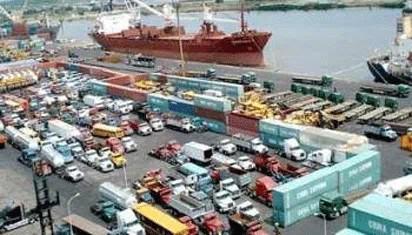
With an estimated annual loss of $204 million in gross domestic product (GDP), due to corruption in its maritime sector, Nigeria is facing a significant economic challenge.
The Maritime Anti-Corruption Network (MACN), a Copenhagen-based organisation, highlighted these figures in its report, “The Cost of Maritime Corruption to the Industry and Society.”
Join our WhatsApp ChannelEconomic Consequences and Job Losses
The report reveals that Nigeria’s economy is suffering from a severe shortage of full-time jobs, with 235,000 fewer positions available due to corruption-related inefficiencies. These issues stem from bribery demands and other corrupt practices within the maritime industry.
According to MACN, the annual cost of maritime corruption for bulk and food products in Nigeria is approximately $160 million, adding an extra 15% to total transport and logistics costs.
“Maritime corruption results in an annual reduction in GDP of $204 million, an annual $42 million reduction in revenue collected by the Nigeria Customs Service, and 235,000 fewer full-time equivalent jobs due to reduced sales and economic activity,” the report stated.
Impact on Nigerian Households
The additional costs imposed ultimately burden the private sector, resulting in price hikes of around 2% for the average Nigerian family.
This price increase negatively affects consumption and sales, further reducing GDP and job creation.
READ ALSO: Democracy @ 25: Lack Of Patriotism, Corruption Plague Nigeria – Ex-Lawmaker Akinlaja
“Increased import costs due to corruption are likely to reduce household demand and make essential goods less affordable,” the report noted. With 63% of Nigerians, or 133 million people, classified as multidimensionally poor, these increased costs have a significant impact on their daily lives.
Breakdown of Corruption Costs
Corruption in the maritime sector adds up throughout the entire journey of cargo. Extra insurance premiums, demurrage charges during port delays, and cash payments at police checkpoints contribute to the increased cost of doing business.
Nigerian retailers are forced to hold extra stock to avoid running out of supplies, further raising business costs.
MACN estimated that corruption adds $147,000 per import shipment of grain and over $187,000 per shipment of petrol. Given that food and petrol account for about a third of Nigeria’s imports, these figures highlight the extensive impact of corruption on the economy.
Steps Towards Reducing Corruption
According to MACN, adopting a zero-tolerance approach to bribery during vessel clearance can reduce the damages.
By cutting around $114,000 per shipment in corruption costs, the total maritime corruption bill could decrease by about $100 million per year, leading to a $230 million reduction in its economic impact.
“By saying no to maritime corruption, GDP increases by about $130 million annually, customs revenue from tariffs increases by $28 million annually, and more than 147,000 full-time equivalent jobs are created due to more sales and economic activity across the supply chain in Nigeria,” the report stated.
Progress and Future Outlook
MACN highlighted that significant strides have been made in reducing corruption within the Nigerian port sector, thanks to a combination of industry commitment and proactive government measures.
Before 2019, resolving a single bribery case took seven to ten days, but now over 90% of corruption incidents are resolved within 24 hours by relevant government agencies.
“Impressively, 98% of escalated incidents have been successfully resolved, and the remaining 2% have been escalated to authorities to clarify protocols,” MACN declared.
MACN, established in 2011, is a global business network working towards a corruption-free maritime industry.
In Nigeria, MACN has been implementing a collective action initiative since 2012 in partnership with the private sector, the Nigerian government, and the Convention on Business Integrity to tackle and improve the operational environment in the port sector.

Emmanuel Ochayi is a journalist. He is a graduate of the University of Lagos, School of first choice and the nations pride. Emmanuel is keen on exploring writing angles in different areas, including Business, climate change, politics, Education, and others.