 Emmanuel Ochayi
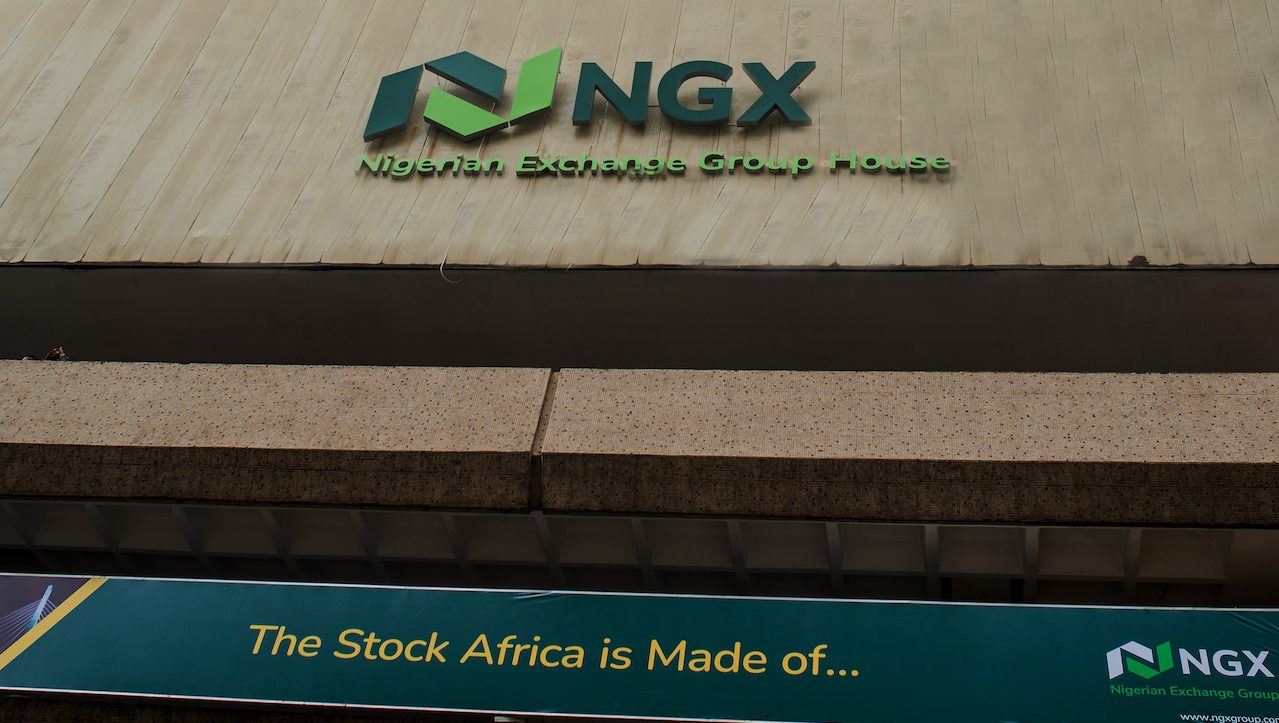
The Nigerian Exchange Limited (NGX) has announced a drop in total domestic and foreign portfolio transactions in Nigeria’s equity market for April 2024.
The total transactions amounted to N346.23 billion, a decrease from the N538.54 billion recorded in March 2024.
Join our WhatsApp ChannelThis information comes from the latest Domestic and Foreign Portfolio Investment Report by NGX. Each month, NGX gathers trading figures from market operators to track Domestic and Foreign Portfolio Investment (FPI) flows.
As of April 30, 2024, the total transactions at the nation’s bourse decreased by 35.71 percent from March’s N538.54 billion (about $404.69 million) to N346.23 billion (about $260.24 million). Despite this drop, the year-on-year comparison shows an 81.07 percent increase from April 2023’s N191.21 billion.
In April 2024, domestic investors were more active than foreign investors, with domestic transactions outpacing foreign transactions by about 30 percent. However, a closer look at the data reveals a mixed picture.
“Total domestic transactions fell significantly by 49.27 percent, from N444.28 billion in March to N225.40 billion in April,” said an NGX spokesperson. On the other hand, total foreign transactions saw a substantial increase of 28.19 percent, rising from N94.26 billion (about $70.83 million) in March to N120.83 billion (about $90.83 million) in April.
READ ALSO: NGX: Equity Market Continues Downtrend As Investors Lose N84bn
Institutional investors also showed more activity compared to retail investors. The report highlighted that institutional investors outperformed retail investors by 10 percent. Retail transactions fell by 54.89 percent, from N223.37 billion in March to N100.77 billion in April 2024.
Similarly, the institutional side of the domestic market saw a decrease of 43.58 percent, dropping from N220.91 billion in March to N124.63 billion in April 2024.
These fluctuations come amid broader economic challenges and a changing investment landscape in Nigeria. Analysts have pointed out that the sharp decline in domestic transactions could be attributed to several factors, including market volatility and economic uncertainty.
Dr. Olusegun Adewale, an economist at the University of Lagos, explained, “The decrease in domestic transactions might be due to cautious trading by local investors amid economic uncertainties. However, the rise in foreign transactions indicates growing interest from international investors who see potential opportunities in the Nigerian market.”
This trend of increasing foreign investment could be a positive sign for the Nigerian economy, suggesting that despite local challenges, the market remains attractive to foreign investors. The rise in foreign transactions might also reflect global investment trends where emerging markets are gaining attention due to their growth potential.
NGX continues to monitor these trends and provides regular updates to market participants. The exchange aims to maintain transparency and support informed decision-making among investors.
However, while the drop in total transactions in April 2024 might raise concerns, the increase in foreign investments and the overall year-on-year growth indicate a complex but potentially optimistic outlook for Nigeria’s equity market. As NGX and market operators analyze these shifts, investors will be keenly watching how these trends evolve in the coming months.