Kingsley Moghalu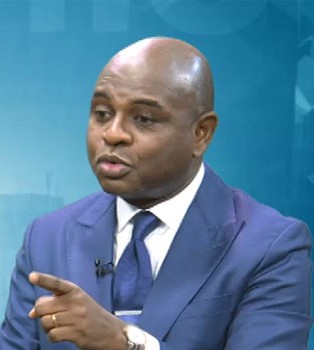
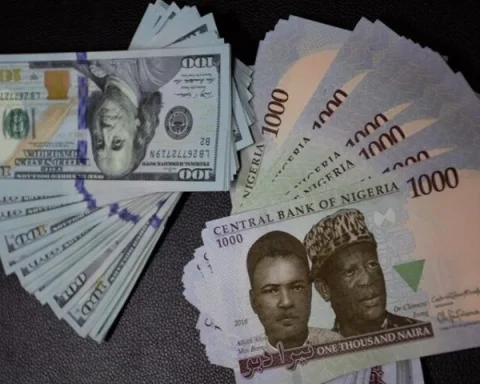
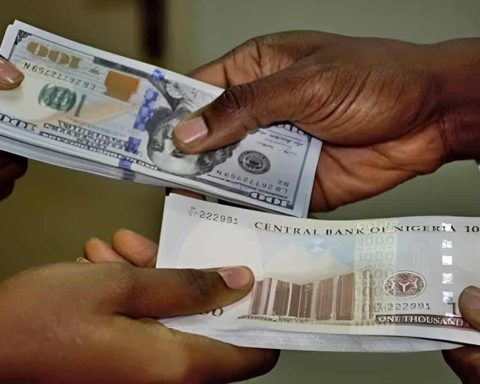
The terrible suffering and economic loss Nigerians and Nigeria have experienced as a result of the faulty implementation of the Central Bank of Nigeria’s Naira redesign policy, the entry of the judiciary into central banking functions, all show clearly how our institutions— and Nigeria — fail when institutions that are meant to be operationally independent become politicized.
To put some numbers on it, Yemi Kale, former Director-General of the National Bureau of Statistics (NBS) has estimated that Nigeria lost between N10 to 15 trillion of national productivity in the first quarter of 2023 as a result of the difficulties created by the Naira redesign policy.
Join our WhatsApp ChannelCurrency functions are a core part of any central bank’s mandate. To that extent I had no problem with the policy and, on the face of it, expressed support for it in principle. Except for two vital issues. First, the 90-day deadline, which I warned was too short for the policy to be implemented. Second, the timing, so close to the elections.
But, as later became clear, there was a haphazard and incoherent communication of the purposes of the policy. In one breath it was said to be to reduce the money supply and help tame inflation (after the Bank had created and lent N23 trillion to the federal government (!), illegally because that was way beyond approved limits under the CBN Act of 2007). Next, it was promoted as a national security measure to halt kidnapping, Naira hoarding and sundry crimes.
Then, next, it became about “free and fair elections “ to stop vote-buying. This last reason became the most important — and controversial — reason as the tempo of the 2023 presidential contest rose to boiling point.
Expectedly, politicians who felt the policy targeted them complained loudly and wanted the deadline extended, while those who believed it helped their own political agendas hailed the tight and impractical deadline and did not want it moved. Nigerians were trapped between the devil and the deep blue sea of a desire to curb the menace of vote-buying and the effective confiscation of their own money by the implementation failure of the policy.
While increasing digital payments, another purported goal of the policy was a good one, that thinking failed to consider the reality that the payment infrastructure was still not robust in many rural areas of our country, that cash remains king, and, as I said on an interview with journalist Ladi Akeredolu-Ale on Channels Television, we were carrying on as if it had now become a crime to use cash in Nigeria.
Most important, as I raised the question in that same interview, what exactly is the mandate of the CBN? Had it now become to end vote-buying in elections? Surely, we have anti-corruption institutions vested with such mandates, and to use the CBN for that primary purpose was to politicize the institution. But many Nigerians, as usual, did not think deeply about the implications of this line of thinking and action because of their political passions against presumably corrupt politicians.
READ ALSO: Old Naira Notes: GTBank, Others Limit Cash Withdrawal To N10,000
Today, whatever may have been the benefits of the Naira redesign policy have been cancelled out by the economic and social waste and gridlock it has created. We are still suffering from it, after the “almighty” presidential election has come and gone.
There are several lessons here. One such lesson is the importance of effective risk management that was evidently absent in the conception and execution of the policy. I had highlighted this in a previous intervention. But there is the fundamental lesson of whether our institutions in Nigeria have been hijacked and subverted from serving the Nigerian people and our economy to serving personal and political agendas, including a dishonest use of a “war against corruption” as an attractive shiny object.
One day, we will count the losses, to the Nigerian economy, the legitimacy and effectiveness of a once-prestigious institution, and to the legitimacy of the Nigerian state itself, of the partisan politicization and de-professionalization of the leadership of the CBN. Our apex bank, along with the judiciary, is one of the key institutional prisms through which foreign countries and investors abroad and at home assess the functioning or otherwise of the Nigerian state. Turning it into a political football was and is a big mistake, and a strong indicator of state failure.
Kingsley Moghalu, a former deputy governor of the Central Bank of Nigeria, is the CEO of Sogato Strategies LLC, a global investment advisory firm, and President of the Institute for Governance and Economic Transformation (IGET), a public policy think tank.