 Amanze Chinonye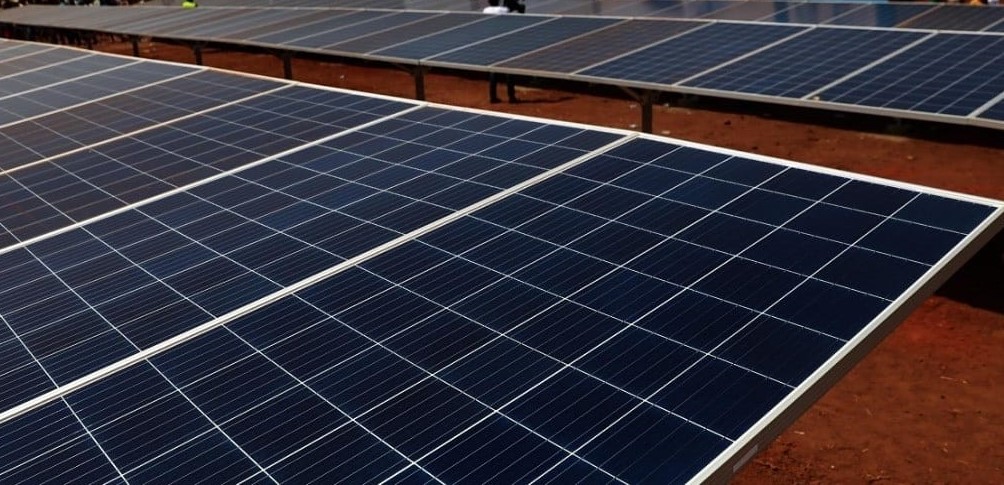
A confrontation between a Lagos resident and officials of the state’s housing authority over the installation of solar panels has ignited widespread debate online, highlighting tensions around energy alternatives and regulatory control in government-owned estates, Prime Business Africa reports.
The controversy erupted after a video, shared on April 21, showed personnel from the Monitoring and Compliance Unit of the Lagos State Ministry of Housing challenging a homeowner for mounting solar panels within a state-run residential estate.
In the footage, the officials reportedly insisted that the resident must first secure official approval and pay a permit-related fee before proceeding with the installation.
Join our WhatsApp ChannelThe resident, whose identity was not disclosed, had earlier alleged that he was being unfairly asked to pay for adopting solar energy an increasingly popular alternative to Nigeria’s erratic public power supply.
READ ALSO :
IFGreen Industries Switches to Solar, Commissions Hybrid Power System in Epe
The incident, which occurred in Lagos State, quickly drew backlash across social media platforms, with many users criticising what they perceived as an attempt to discourage independent energy solutions.
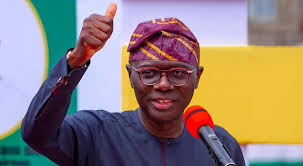
Amid the growing criticism, the Senior Special Adviser on Media to Governor Babajide Sanwo-Olu, Gboyega Akosile, responded by defending the state’s position and clarifying the policy framework.
He stated that the situation captured in the video was genuine but stressed that the resident’s claims did not fully reflect existing guidelines governing modifications in state-owned housing estates.
READ MORE :
Sanwo-Olu Commissions Lagos Electricity Regulatory Board to Reform Power Sector
According to the government, the requirement to obtain approval and pay administrative charges is not a blanket policy for all Lagos residents. Instead, it is limited to occupants of government-built social housing estates, where any structural adjustment such as installing solar systems is categorised as an alteration.
Authorities explained that these estates were designed with central infrastructure, including electricity supply, and are managed by the government as a facility provider. Consequently, any modification that could affect the building’s structure, shared spaces, or overall safety must undergo regulatory checks by the Ministry’s Physical Planning and Survey units.
The government further noted that solar installations in such environments are often placed in communal or structurally sensitive areas, necessitating oversight to prevent risks such as fire outbreaks, roof damage, or other safety hazards. It added that previous cases of unapproved alterations had resulted in costly damages for which the state was held accountable.
Officials maintained that the enforcement action seen in the viral video was part of routine compliance efforts and urged residents of public housing estates to follow due process by seeking approval before carrying out any external modifications.
The episode has since amplified conversations around Nigeria’s energy challenges, as more households turn to renewable options like solar power to navigate persistent electricity shortages.

Amanze Chinonye is a Staff Correspondent at Prime Business Africa, a rising star in the literary world, weaving captivating stories that transport readers to the vibrant landscapes of Nigeria and the rest of Africa. With a unique voice that blends with the newspaper's tradition and style, Chinonye's writing is a masterful exploration of the human condition, delving into themes of identity, culture, and social justice. Through her words, Chinonye paints vivid portraits of everyday African life, from the bustling markets of Nigeria's Lagos to the quiet villages of South Africa's countryside . With a keen eye for detail and a deep understanding of the complexities of Nigerian society, Chinonye's writing is both a testament to the country's rich cultural heritage and a powerful call to action for a brighter future. As a writer, Chinonye is a true storyteller, using her dexterity to educate, inspire, and uplift readers around the world.