Fakoyejo Olalekan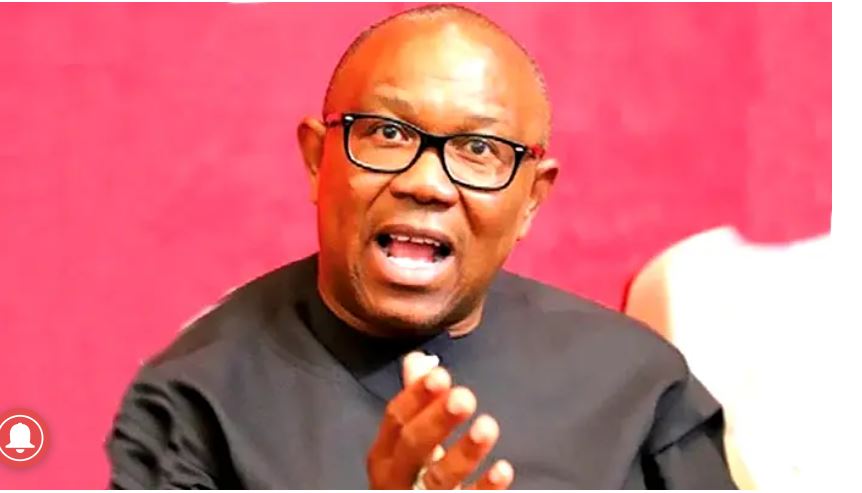
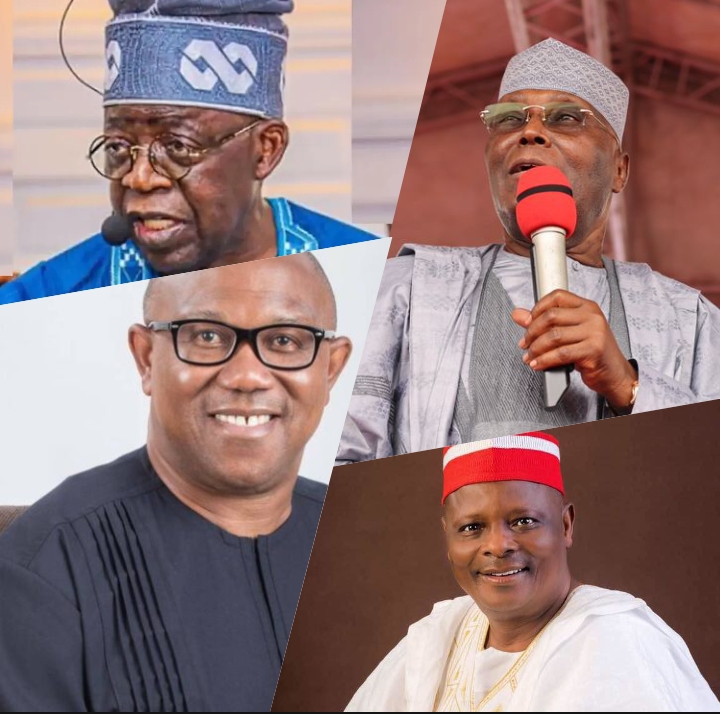
Former governor of Anambra and Presidential hopeful, Peter Obi, said non-oil sectors in Nigeria are unproductive, and this is affecting the value of their contribution to the Gross Domestic Product (GDP).
Obi said Nigeria’s economy is very diversified, but agriculture, manufacturing, Information and Communication Technology and other industries are not contributing enough to the economy.
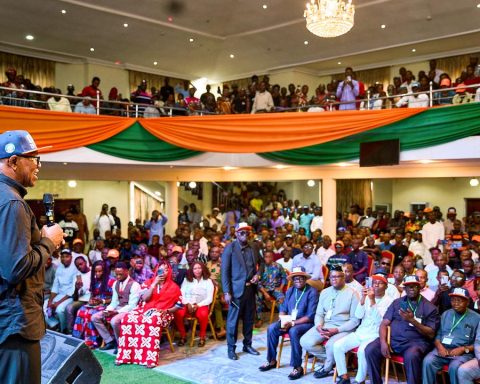
Join our WhatsApp ChannelHe explained the situation surrounding the economic downturn during Arise TV’s presidential town hall meeting on Sunday, where he spoke with other Presidential candidates.
According to the Presidential candidate of Labour Party, “Let me put it on record, the Nigerian economy is well diversified. Oil, as a measure, contributes less than 10% of our GDP.”
Obi stated that the problem the problem is the oil sector contributes about 50% of government revenue, and accounts for about 80% of Nigeria’s foreign exchange earnings.
“Our biggest contributor to our GDP today is agriculture. If you look at our about N180 trillion economy, agriculture contributes about 41 trillion, which is about 20 percent of that economy. So it is very diversified.
“Our trading is contributing by 15%, and ICT is contributing. So what you need to do, the reason why we are not getting enough or not working is that as diversified as they are, they are not productive.
“You need to increase the level of production, that is the problem. That’s what I was talking about agriculture. You can’t have almost 60% of arable land uncultivated.
“If you are able to invest in the other areas, your manufacturing today is about 9%, this should be about 15%. If you are able to invest in the land, invest in this and able to contribute to export goods.
“Just imagine if you are able to feed yourself. We are 220 million, imagine if we can take N1000, and you can feed yourself. You can move your average of N1000 a day, by one year, you would triple at least, get your contribution in agriculture to about N80 trillion, and that will change that.
“So it is a question of how do you ramp up your production. That’s why labour is saying we want to move the country from consumption to production.” Obi said.