 Amanze Chinonye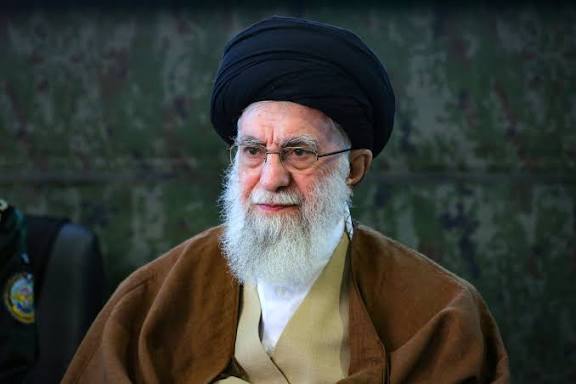
Iran on Thursday buried its late Supreme Leader, Ayatollah Ali Khamenei, at the revered Imam Reza Shrine in the northeastern holy city of Mashhad, concluding a week-long state funeral that drew hundreds of thousands of mourners and marked the end of an era in the Islamic Republic.
Khamenei’s coffin arrived in Mashhad after a multi-city funeral procession through Tehran, Qom and the Iraqi holy cities of Najaf and Karbala before returning to Iran for the final burial rites. The Imam Reza Shrine, one of Shiite Islam’s holiest sites and located in Khamenei’s hometown, was chosen as his final resting place.
READ ALSO :
Join our WhatsApp ChannelIran Begins Week-Long Funeral for Late Supreme Leader Ali Khamenei, Burial Set for July 9
Thousands of mourners lined the streets leading to the shrine, while senior political, military and religious leaders attended the ceremony. Iranian authorities described the funeral as a display of national unity and resilience at a time of heightened regional tensions and domestic uncertainty.
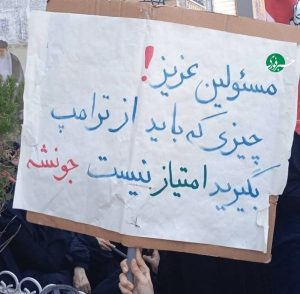
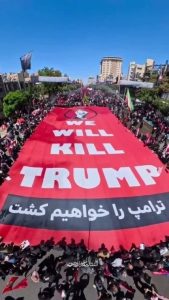
The burial was conducted under heavy security, with mourners waving Iranian flags and carrying portraits of the late leader. Chants condemning the United States and Israel echoed throughout the procession, reflecting the deep political and military tensions that have followed Khamenei’s death and the recent conflict involving Iran, the United States and Israel.
Khamenei, who led the Islamic Republic for nearly four decades, was killed in an airstrike during the U.S.-Israeli military campaign against Iran earlier this year. His death triggered an unprecedented leadership transition, with his son, Mojtaba Khamenei, succeeding him as Supreme Leader.
However, Mojtaba has yet to make a public appearance, reportedly due to injuries sustained during the conflict and ongoing security concerns.
READ MORE :
U.S. Strikes Damage Strategic Iran–Turkmenistan Rail Link as Military Exchanges Intensify
Beyond the symbolic significance of the burial, the ceremony underscores the immense political challenges confronting Iran’s new leadership. With the country’s highest political and religious office changing hands for the first time in nearly four decades, the transition is expected to shape Iran’s domestic governance, regional influence and relations with Western powers.
As Tehran grapples with economic strain, security concerns and growing geopolitical pressure, how the new leadership navigates these challenges will be closely watched by allies and adversaries alike.
The burial brings Iran’s official mourning period to a close but opens a new chapter for the Islamic Republic at a time when the country’s future direction remains uncertain amid an increasingly volatile Middle East.

Amanze Chinonye is a Staff Correspondent at Prime Business Africa, a rising star in the literary world, weaving captivating stories that transport readers to the vibrant landscapes of Nigeria and the rest of Africa. With a unique voice that blends with the newspaper's tradition and style, Chinonye's writing is a masterful exploration of the human condition, delving into themes of identity, culture, and social justice. Through her words, Chinonye paints vivid portraits of everyday African life, from the bustling markets of Nigeria's Lagos to the quiet villages of South Africa's countryside . With a keen eye for detail and a deep understanding of the complexities of Nigerian society, Chinonye's writing is both a testament to the country's rich cultural heritage and a powerful call to action for a brighter future. As a writer, Chinonye is a true storyteller, using her dexterity to educate, inspire, and uplift readers around the world.