 Prosper Okoye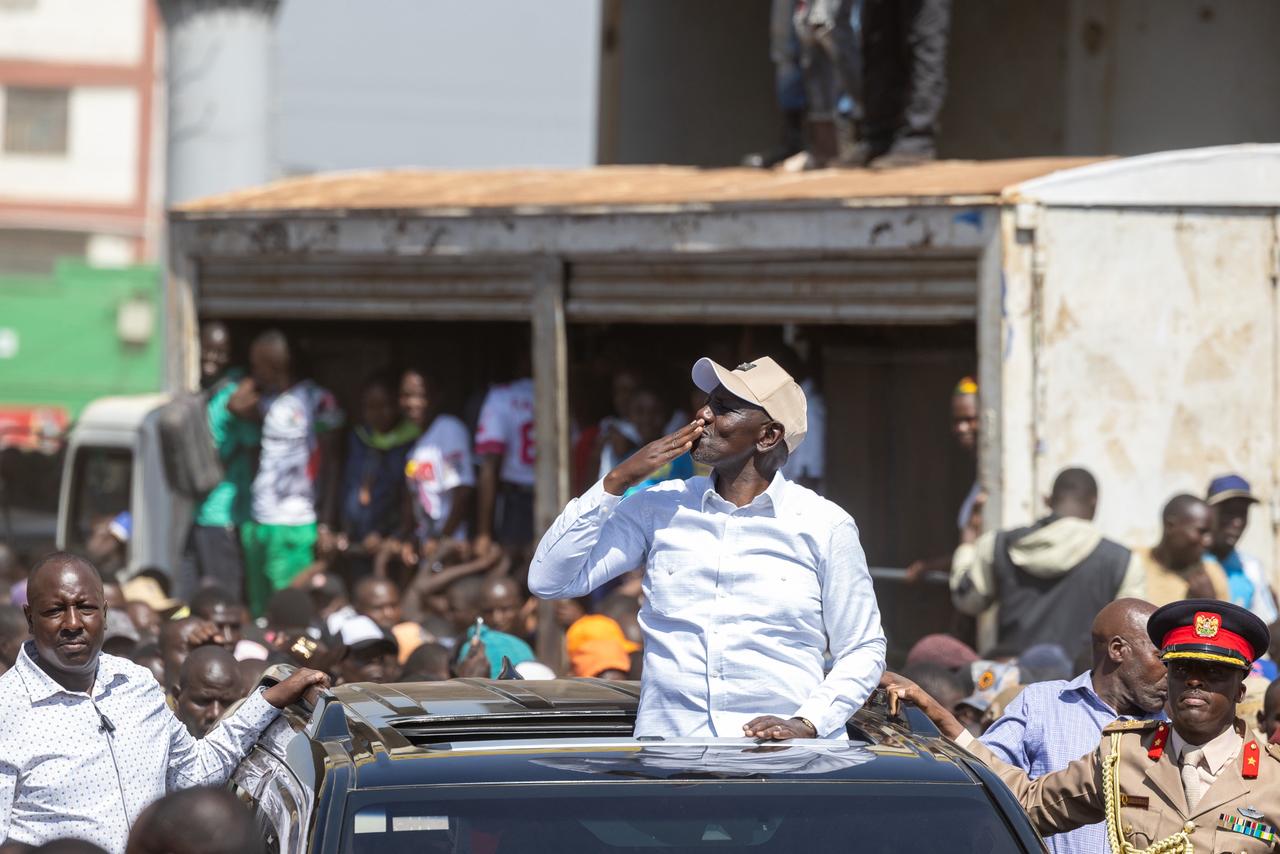
In the sunlit streets of Kondele, Kisumu, President William Ruto addressed a swelling crowd, captured in a single tweet that has since become a digital window into Kenya’s political mood.
Prime Business Africa investigations showed that the post was of him standing atop a vehicle before a sea of supporters in a region long loyal to the late opposition leader Raila Odinga.
It quickly attracted thousands of views and hundreds of likes. “The people of Kisumu are clear in their voice: they want development, they want prosperity,” Ruto wrote, encapsulating a message of progress and unity.
Join our WhatsApp ChannelThe significance of the tweet goes beyond its images. Kisumu, the heart of Luo Nyanza, has historically been a stronghold of the opposition. Ruto’s presence, and the enthusiasm of the crowd behind him, reflects a calculated effort to consolidate support in a region where Odinga’s absence has left a political vacuum.
For Ruto, the engagement around the post offers a glimpse of both hope and caution, providing a snapshot of public sentiment in a region he has long struggled to influence.
A closer look at the comments under the tweet reveals a divided nation. Some users hailed the event as a symbolic turning point, suggesting that Ruto might finally secure votes in former opposition territory. Others responded with scepticism, mockery, or outright criticism.
Many highlighted lingering grievances over governance, corruption, and the 2024 Gen Z protests, questioning whether the president’s popularity in Kisumu genuinely reflects voter sentiment. The ratio of positive to negative reactions suggests that while the president’s message resonates with some, doubts persist, particularly among younger voters and those historically opposed to his administration.
The tweet illustrates a wider paradox in Kenyan politics. While Ruto’s rallies and social media presence project confidence, online sentiment points to enduring scepticism. It reflects a country still negotiating trust, development promises, and political allegiance. In this digital snapshot, the challenge ahead for the incumbent becomes clear: transforming visible enthusiasm into electoral support, bridging regional divides, and convincing a wary electorate that his message of development is more than just a post on a screen.
Several potential challengers have already emerged ahead of the 2027 presidential elections, reflecting the fragmented nature of the opposition. Fred Matiang’i, former Interior Cabinet Secretary under Uhuru Kenyatta, is gaining traction in Western Kenya, leveraging a reputation for competence and crisis management. Kalonzo Musyoka, leader of the Wiper Patriotic Front and a former Vice President, draws strength from Ukambani, emphasizing stability and coalition-building. Rigathi Gachagua, formerly Ruto’s deputy, appeals to the Mt Kenya electorate through ethnic and economic messaging.
In Luo Nyanza, Babu Owino, a rising young ODM politician, is carving out influence as Raila Odinga’s political heir, appealing particularly to urban youth and Gen Z voters. Veteran politician Martha Karua maintains a smaller but loyal base, emphasizing rule of law and anti-corruption credentials.
Despite the presence of these challengers, Ruto’s incumbency, broad coalition, and control of resources give him a measurable advantage. Analysts describe him as “unloved but unbeatable,” noting that opposition fragmentation continues to work in his favour.
Kenya’s Claudia Naisabwa Co-Hosts WAV Festival’s Historic Inaugural Edition in Cape Town
Kenya Sends Additional Police Contingent to Haiti Amid Rising Gang Violence
HRW Warns Kenya’s New Cybercrime Amendments Threaten Free Speech
Yet, social media reactions, such as those captured under the Kisumu tweet, suggest that enthusiasm alone may not guarantee electoral success. Economic performance, anti-corruption efforts, and youth engagement will be decisive in converting digital support into votes, particularly in regions historically aligned with opposition forces.
As Kenya approaches the 2027 elections, one tweet in Kisumu offers more than a snapshot of a rally; it provides insight into a nation negotiating history, hope, and political reality. Whether the optimism it projects can translate into tangible electoral support remains one of the country’s most closely watched political questions.

Prosper Okoye is a Correspondent and Research Writer at Prime Business Africa, a Nigerian journalist with experience in development reporting, public affairs, and policy-focused storytelling across Africa