Fakoyejo Olalekan
The National Bureau of Statistics (NBS) has revealed that Nigeria’s inflation rate soared to 21.82 per cent in January 2023, as the country struggles with Naira scarcity.
According to the latest consumer price index (CPI) released by NBS, the inflation rate closed last month above the 21.34 per cent rate reported for the month of December.
Join our WhatsApp Channel“on a year-on-year basis, the headline inflation rate was 6.22% points higher compared to the rate recorded in January 2022, which was 15.60%.
“This shows that the headline inflation rate (year-on-year basis) increased in the month of January 2023 when compared to the same month in the preceding year (i.e., January 2022),” NBS said in the statement.
The report disclosed that the urban inflation rate was 22.55 per cent for the period in review, this was 6.38 per cent points higher on a year-on-year basis when compared to the 16.17 per cent recorded in January 2022.
“On a month-on-month basis, the urban inflation rate was 1.98% in January 2023, this was 0.17% points higher compared to December 2022 (1.80%). The corresponding twelve-month average for the urban
inflation rate was 19.91% in January 2023. This was 2.48% points higher compared to the
17.44% reported in January 2022,” the Bureau stated.
In January 2023, the rural inflation rate was 21.13 per cent on a year-on-year basis, rising by 6.08 per cent points higher compared to the 15.06 per cent recorded in the same month last year.
Similarly, NBS reported that the food inflation rate in January 2023 soared to 24.32 per cent, which is 7.19 per cent points higher than the 17.13 per cent posted in January 2022.
It was gathered that the rise in food inflation on a year-on-year basis was caused by increases in prices of Bread and Cereals, Oil and Fat, Potatoes, Yam and Other Tubers, Fish, Vegetable, Fruits, Meat, and Food Products.
However, on a month-on-month basis, “the food inflation rate in January 2023 was 2.08%, this was 0.20% points higher compared to the rate recorded in December 2022 (1.89%). This increase was
attributed to increase in the prices of some food items like Oil and Fat, Bread and Cereals,
Fish, Potatoes, Yam & Tubers, etc.,” NBS wrote in its CPI report.
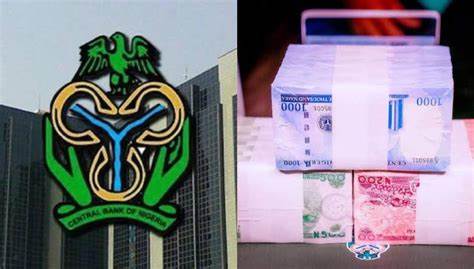
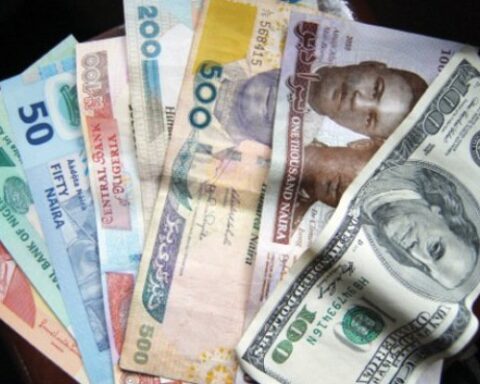
Prime Business Africa reported that many Nigerians have been unable to access cash at various commercial banks due to the scarcity of banknotes caused by the Naira redesign policy of the Central Bank of Nigeria (CBN). This has disrupted business activities.
Also, traders have had to buy Naira notes at Point of Sale (PoS) operators, which cost N1,000 for every N5,000. Traders passed on the cost to their customers through the prices of their goods and services, hence, inflation soaring.