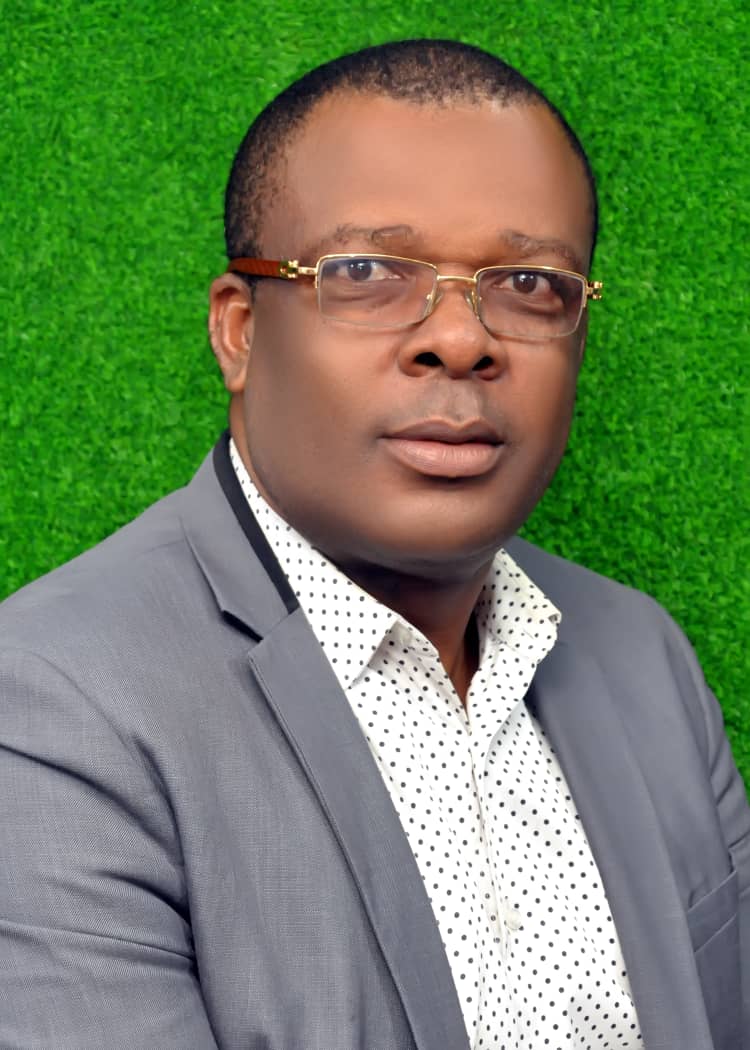
 MARCEL MBAMALU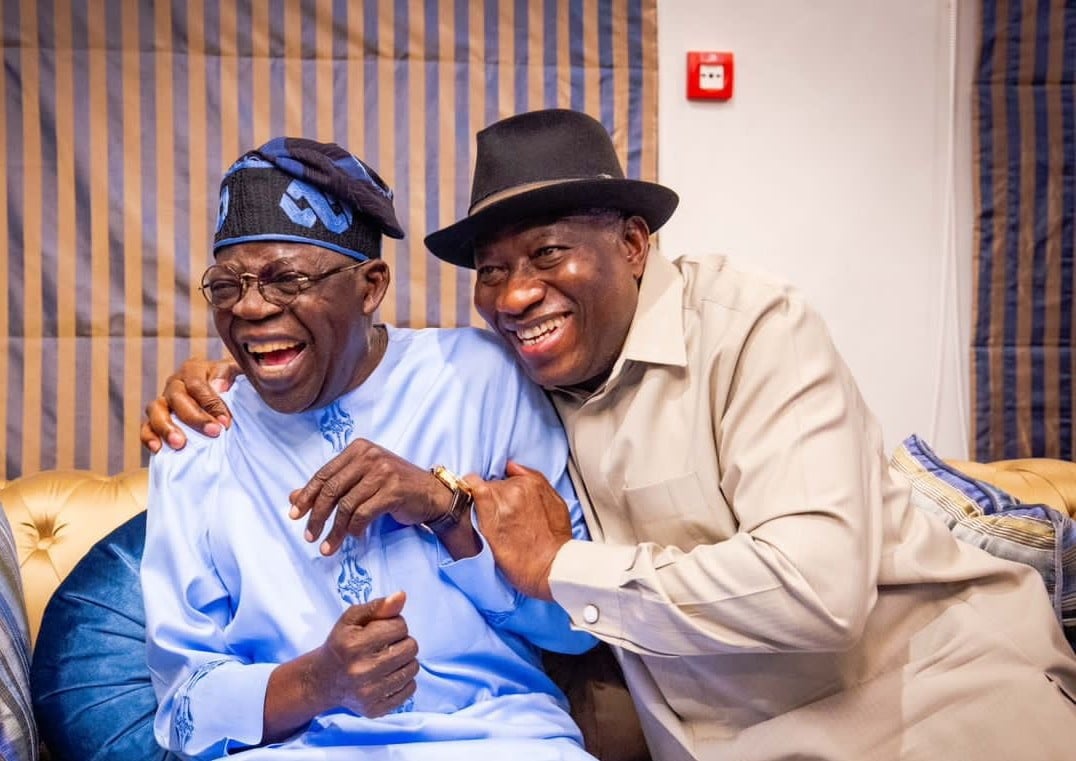
Goodluck Jonathan hasn’t said yes. He hasn’t said no. But since January 2026, PDP factions have met him, screened him, waived rules for him, and by May adopted him as their sole presidential aspirant. Support groups are mobilizing. Lawyers are in court to bar him. And the man at the centre? Silent.
That silence is now a campaign of its own.
Some read it as strategy. Others call it endorsement of the current order. Wike’s bloc won’t speak. Turaki’s bloc won’t stop. And Nigerians are left interpreting a former president’s quiet like tea leaves.
Join our WhatsApp ChannelHere’s the problem: Jonathan isn’t just any ex-leader. He’s the first incumbent Nigeria voted out. The one whose concession call steadied 2015. The one whose government birthed “Occupy Nigeria” and lost Chibok girls.
So when he goes mute in 2026, with Boko Haram mutated, bandits in schools, and a constitution case asking if he can even run, silence stops being neutral. It becomes a position.
The question isn’t just “Will he run in 2027?” It’s this: In a democracy this suspicious, can a former president whose name moves markets and factions afford to say nothing?
Why silence is dangerous for democracy
In normal countries, ex-presidents retire to memoirs and golf. Nigeria isn’t normal. Here, ex-presidents are political assets. Their names shift votes, their endorsements move factions, their silence moves markets. Jonathan knows this. He lived it. In 2015, his concession call stopped blood. One sentence, live on TV: “I congratulate Gen. Buhari.” That was speech as statesmanship. In 2026, his silence is speech too. And it’s costing us. It lets Turaki’s faction sell a candidacy he hasn’t owned. It lets opponents brand him a proxy for the ruling party. It lets the courtroom, not the ballot, decide his future first. Democracy doesn’t die in darkness. It dies in ambiguity. When voters don’t know if a man is running, when a party doesn’t know if its candidate exists, when a court has to guess intent before citizens do — that’s not neutrality. That’s negligence. You don’t get to be Africa’s “peace icon” abroad and an agent of confusion at home. The same ethics that made you concede in 2015 should make you clarify in 2026. Because silence, in a democracy this paranoid, isn’t golden. It’s gasoline.
Bottom Line — Speak now, or let others speak for you
So what does Jonathan owe Nigeria? Not another term. Not an endorsement. Just a sentence. “I am running.” Or “I am not.” Or “I support Tinubu.” Anything but this. Because right now, his silence is being filled by others. By PDP factions who need a mascot. By lawyers who need a test case. By citizens who remember Chibok and ask if he’s learned anything since.
If he runs, he must answer for 2010–2015: for subsidy, for Chibok, for Boko Haram’s rise, for why a government that couldn’t protect 276 girls can protect 220 million now. If he doesn’t, he must say so, and free his party to rebuild without a ghost candidate. If he backs the incumbent, say it — and own the blowback.
But he can’t keep doing what he’s doing: letting Nigeria debate his intentions while he watches from Accra or Addis Ababa. That’s not elder statesmanship. That’s abdication.
Jonathan’s greatest act was conceding defeat in 2015. His worst act would be refusing to concede clarity in 2026. In 2015, he told Nigeria “my ambition isn’t worth the blood of any citizen.” In 2026, Nigerians need to know if his silence is worth the confusion of a country. The war for 2027 has started. You don’t win it, or stop it, by saying nothing.
The making of a president nobody elected
Jonathan’s path to power wasn’t through a campaign. It was through a coffin. When Yar’Adua’s health collapsed in 2009, Nigeria froze. No president. No handover. Just whispers and power blocs. The National Assembly invoked the doctrine of necessity to make Jonathan acting president. By May 2010, Yar’Adua was dead. Jonathan was sworn in to finish the term. He won 2011 on his own, yes. But his presidency began in a constitutional emergency, not a mandate. That matters now. Because the same Constitution he swore to uphold is the one lawyers cite to bar him in 2027. Section 137(3): no one sworn in twice as president can run again. Courts cleared him before 2015. A new suit filed October 2025 says times have changed. The irony: the man who became president because the law bent for him may now be stopped because the law won’t bend again.
Reform and ruin, 2010 to 2015
Give him this: Jonathan’s INEC ran a cleaner 2011 poll. His agric minister scrapped fertilizer rackets and got seeds to farmers. For a moment, elections and rice looked possible. But history doesn’t remember moments. It remembers the fire. Boko Haram moved from nuisance to nightmare on his watch. Maiduguri burned. Kano burned. Then Chibok, April 2014: 276 schoolgirls stolen, the world watching, #BringBackOurGirls trending, and a government that looked stunned. Fuel subsidy went in 2012 and Nigeria exploded. Occupy Nigeria shut down cities. Labour, civil society, and a new opposition — ACN, CPC, the future APC — called him weak, corrupt, clueless. Amnesty International logged human rights abuses in the North-East. By 2015, the verdict was in: Nigeria’s first sitting president voted out. His legacy was the concession call. Graceful, historic, and necessary. But it also left a question he never answered: if he couldn’t contain Boko Haram when it was young, how does he face it now that it has splintered, merged with bandits, and moved into classrooms?
The statesman who won’t play opposition
Since 2015, Jonathan picked global peace over local politics. UN missions. Election observer gigs. West African Elders Forum shuttles. He mediated in Mali, watched polls in Kenya, posed for photos with other ex-leaders. At home? Quiet. No shadow cabinet. No policy attacks. No PDP war room. He never became the opposition voice Obasanjo became after 2007, or even Shagari after 1983. That absence is now policy. Because in Nigerian politics, silence isn’t absence. It’s alignment. When Turaki’s PDP faction adopts you and Wike’s faction says nothing, your silence gets interpreted. When bandits kidnap schoolchildren in Oyo and your old critics say “this started under you,” your silence gets billed. Jonathan may think he’s above the fray. But in 2026, with his name on waiver forms and court dockets, above the fray looks like being in the fight without declaring it.
The legal cloud and the political bill
Here’s what’s on the table: one, a PDP waiver and adoption by a faction. Two, a Federal High Court suit asking to bar him permanently from 2027. Three, no word from Jonathan. The lawsuit isn’t frivolous. It rests on Section 137(3), inserted after his 2011 run to prevent exactly this: a president who got in through succession serving more than 8 years total. Jonathan’s camp beat a similar case pre-2015. But that was before the amendment’s intent was tested. The court will rule. But the political bill is due now. Every day he stays silent, three things happen: supporters spend money and hope on a maybe, opponents call him a Tinubu placeholder, and ordinary Nigerians ask the raw question — why would we rehire a president who lost to insecurity, when insecurity is now worse? He may have more experience. But Nigeria has more graves. Silence won’t answer that.
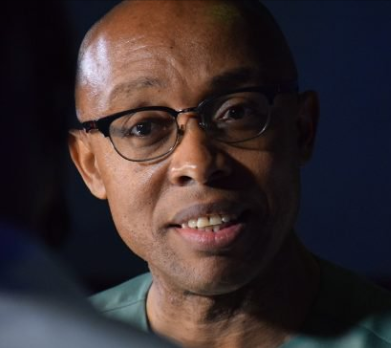
Dr Mbamalu, a Jefferson Fellow and member of the Nigerian Guild of Editors, is a publisher and media consultant
Dr. Marcel Mbamalu is a distinguished communication scholar, journalist, and entrepreneur with three decades of experience in the media industry. He holds a Ph.D. in Mass Communication from the University of Nigeria, Nsukka, and serves as the publisher of Prime Business Africa, a renowned multimedia news platform catering to Nigeria and Africa's socio-economic needs.
Dr. Mbamalu's journalism career spans over two decades, during which he honed his skills at The Guardian Newspaper, rising to the position of senior editor. Notably, between 2018 and 2023, he collaborated with the World Health Organization (WHO) in Northeast Nigeria, training senior journalists on conflict reporting and health journalism.
Dr. Mbamalu's expertise has earned him international recognition. He was the sole African representative at the 2023 Jefferson Fellowship program, participating in a study tour of the United States and Asia (Japan and Hong Kong) on inclusion, income gaps, and migration issues.
In 2020, he was part of a global media team that covered the United States presidential election.
Dr. Mbamalu has attended prestigious media trainings, including the Bloomberg Financial Journalism Training and the Reuters/AfDB Training on "Effective Coverage of Infrastructural Development in Africa."
As a columnist for The Punch Newspaper, with insightful articles published in other prominent Nigerian dailies, including ThisDay, Leadership, The Sun, and The Guardian, Dr. Mbamalu regularly provides in-depth analysis on socio-political and economic issues.