 Prosper Okoye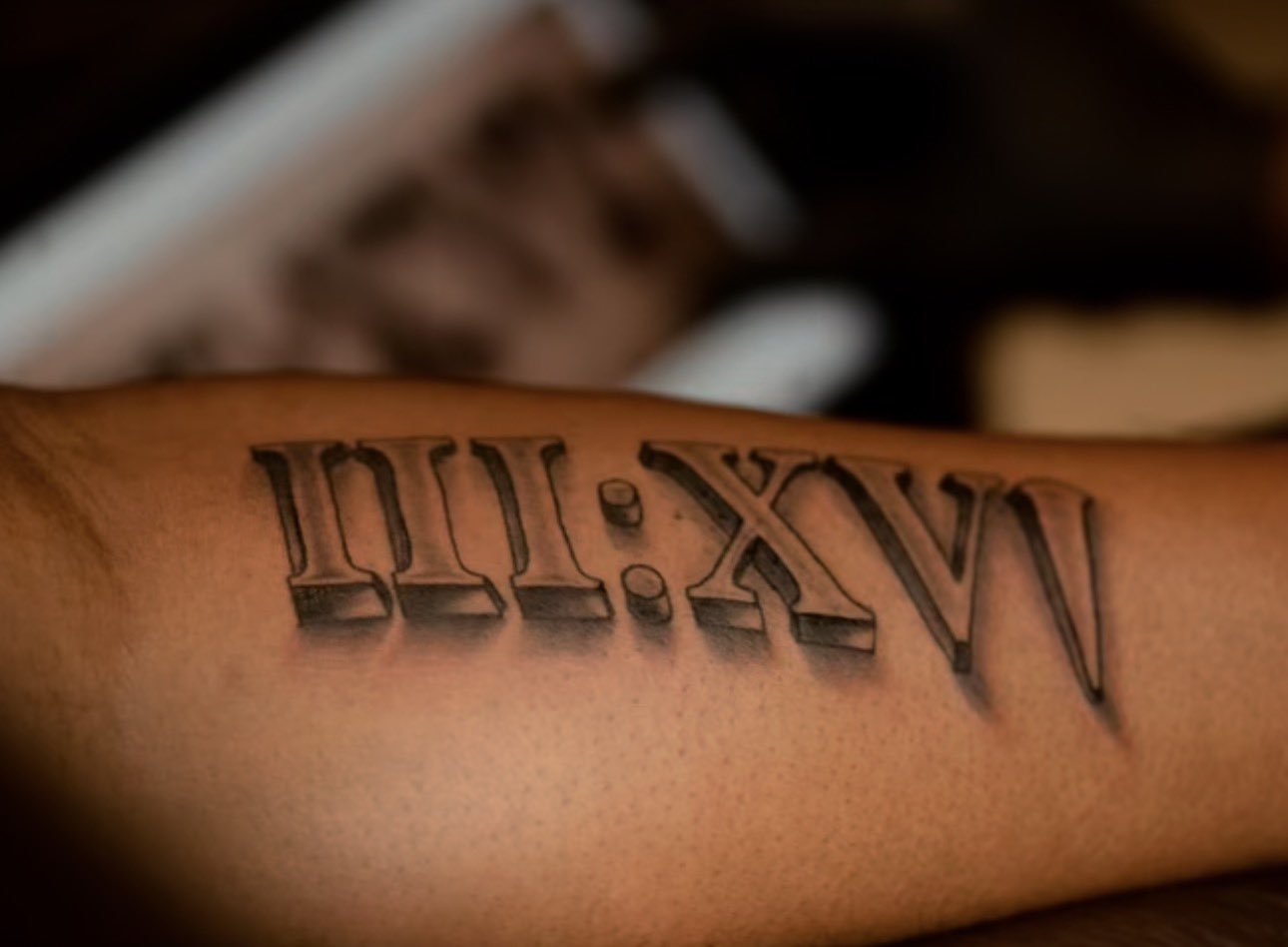
A single verse of the Bible has found itself at the centre of a national debate.
Leviticus 19:28, long read by many Christians as forbidding tattoos, is now being interpreted in strikingly different ways as body art moves from the margins of Nigerian society into the mainstream — and even into the church.
Once seen as a mark of rebellion, tattoos are increasingly being reframed by some believers as personal expression, spiritual symbolism, or a sign of changing times. That shift has opened a broader debate about whether Nigerian Christianity is quietly redefining what holiness looks like in the modern age.
Join our WhatsApp ChannelPastor Okonkwo Tattoo Trend
A video showing Pastor Kingsley Okonkwo receiving a tattoo has brought renewed attention to the question of tattoos in Christianity. The clip, in which a Bible verse is permanently inked on his arm, circulated quickly across social media platforms, prompting discussions about personal expression, scripture, and the changing boundaries of faith in modern Nigeria.
The tattoo — John 3:16 written in Roman numerals — may seem simple, but in a deeply conservative Christian culture, it has caused reflection on whether marking the body can coexist with traditional interpretations of scripture. Conversations online and in religious circles have focused not just on the act itself, but on what it signifies about faith, sin, and adaptation to contemporary culture.
The clip, showing a Bible verse being inked onto Okonkwo’s arm, moved rapidly from Instagram to Facebook and then onto X, triggering a wave of reactions ranging from praise to outrage. Within hours, entertainment blogs and news platforms were amplifying it, turning a private moment into a public reckoning over faith, leadership, and modern Christian identity.
The tattoo — John 3:16 written in Roman numerals — may appear modest. In Nigeria’s deeply conservative Christian culture, however, it landed like a provocation. By the end of the day, hashtags linking Okonkwo’s name with words like tattoo and new-age pastor were trending, drawing thousands of comments nationwide.
Faith, Freedom and Expression
The response split almost instantly along generational and cultural lines.
Supporters framed the tattoo as an act of faith and personal freedom. Many argued that marking one’s body with scripture was no different from wearing a cross or carrying a Bible — a visible declaration of belief in a changing world.
Critics read the ink differently. Biblical passages forbidding body markings circulated widely online, with some arguing that pastors were using clever language to justify what they saw as a clear departure from scripture. For them, the tattoo symbolised a deeper unease: that churches were increasingly eager to imitate popular culture rather than challenge it.
What makes the controversy sharper is not the tattoo itself, but the status of the man wearing it.
High-profile pastors in Nigeria command large congregations and strong online followings. In such a context, even small personal choices are magnified. For supporters, tattoos suggest a more relaxed, relatable Christianity. For critics, they risk sending the message that sacred rules are negotiable if a pastor is persuasive enough.
This is not new. Other well-known pastors, including Jimmy Odukoya, have faced similar backlash over tattoos, revealing how unsettled many Nigerian believers remain about the boundaries between faith, fashion, and self-expression.
The trend is not limited to Nigeria. International pastors, such as Carl Lentz, have helped normalize tattoos within Christian circles, showing that visible body art can coexist with faith without necessarily undermining spiritual authority.
The speed of the reaction shows how Nigerian Christianity now lives as much online as in church buildings.
A single video, shared widely on social media, drew tens of thousands of views and hundreds of responses in hours. Facebook pages, gossip blogs, and news sites then carried the debate into the mainstream.
Humour quickly followed. Memes and jokes about “new-age pastors” and “holy ink” circulated alongside serious theological arguments. “The problem with this generation of believers is that they are always ready to judge without fully understanding the entire verse. Did he do it to mourn the dead? Did he do it for himself?” Samuel Williams asked.
Beneath the laughter, however, lay a pointed question: why do tattoos provoke more outrage than allegations of financial excess, secrecy, or abuse of power among some religious leaders? Many Nigerians noted the contrast.
Don Lemon Taken into Federal Custody Amid Minneapolis Church Protest Controversy
South Korea’s Former First Lady Jailed for Church Bribery
Don Lemon Taken into Federal Custody Amid Minneapolis Church Protest Controversy
More Than Ink
The tattoo has become a symbol of a broader struggle: who gets to define what Christianity looks like in a modern, media-driven Nigeria?
For some, it is a harmless expression of belief. For others, it is a warning that sacred lines are being quietly redrawn.
Either way, the needle has done its work. And the debate it has triggered shows no sign of fading.

Prosper Okoye is a Correspondent and Research Writer at Prime Business Africa, a Nigerian journalist with experience in development reporting, public affairs, and policy-focused storytelling across Africa