Forex Backlog: $2.4bn Linked To Non-existing Entities, Says CBN Gov, Exposes Phantom Transactions

February 6, 2024
Financial Inclusion Key To Realising Nigeria's $1trn Economy Target - Cardoso


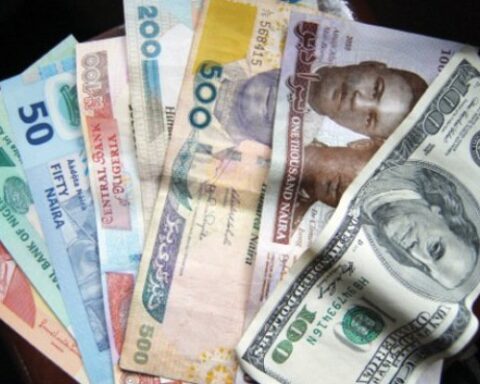
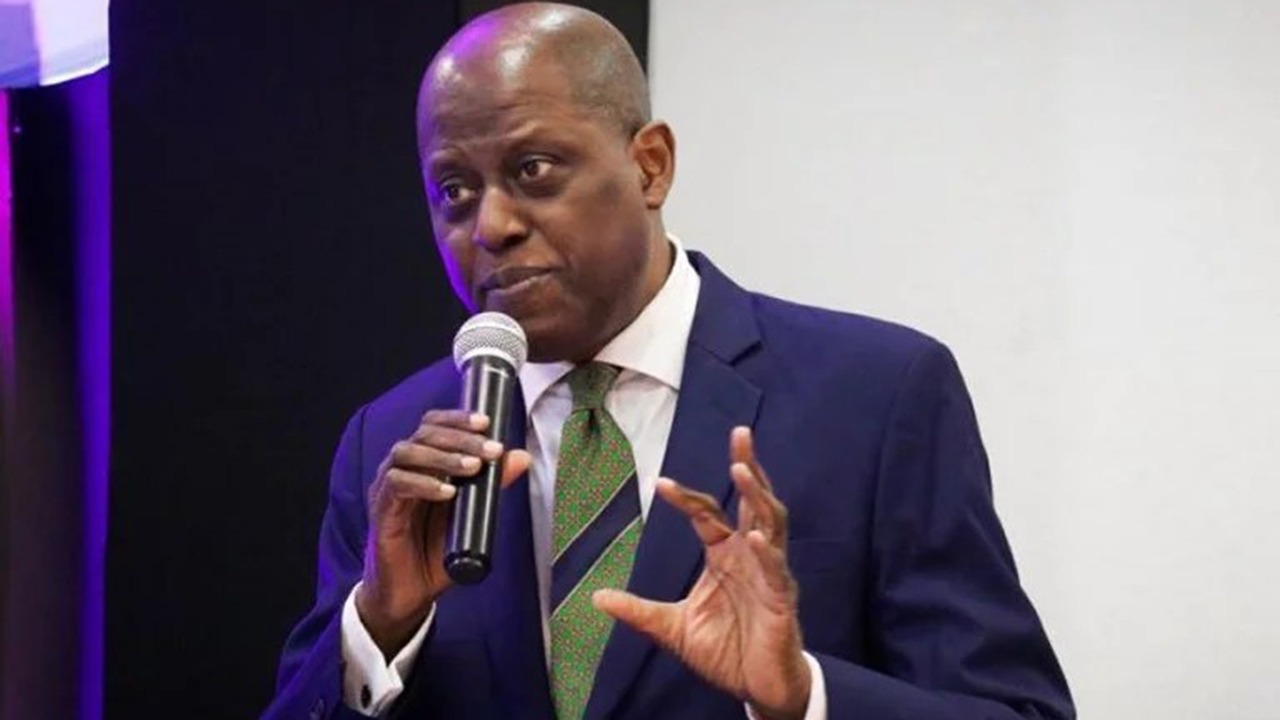
Dr. Olayemi Cardoso, the Governor of the Central Bank of Nigeria, has made a shocking revelation about the foreign exchange backlog, stating that $2.4 billion of the $7 billion inherited were linked to non-existing entities, undocumented requests, and various infractions.

Join our WhatsApp Channel

Cardoso made this known in an interview on Arise TV on Monday.

READ ALSO: CBN Denies Plans To Convert $30bn Domiciliary Deposits To Naira

He said: “Approximately $7 billion was the reported obligation, and we began the process of payment with our limited resources, settling what we believed were valid transactions. However, we realized we needed a closer look, leading us to enlist Deloitte for a forensic audit to distinguish valid from invalid transactions.”

The findings of the audit were nothing short of startling. Cardoso disclosed, saying: “Out of the $7 billion, about $2.4 billion had issues, ranging from of lack of valid import documents to entities that didn’t exist. Some account parties received more than they requested, while others received funds without even making a request.”

Pressed on the fate of these contentious transactions, Cardoso asserted, “We are not paying if you don’t qualify.” The governor emphasized the commitment to addressing only valid transactions, highlighting the necessity of a rigorous assessment process.

This revelation sheds light on the complexities within the foreign exchange system and the challenges faced by the CBN in rectifying inherited discrepancies. The call for a forensic audit reflects the commitment to transparency and accountability, ensuring that taxpayer funds are directed only towards legitimate obligations.

Emmanuel Ochayi

Emmanuel Ochayi is a journalist. He is a graduate of the University of Lagos, School of first choice and the nations pride. Emmanuel is keen on exploring writing angles in different areas, including Business, climate change, politics, Education, and others.
EFCC Declares ex-Power Minister Wanted Over Corruption Charge
Previous Story

EFCC Arrests Pastor For N1.3bn Fake Grants, Money Laundering

osimhen laments
Next Story

Osimhen Suffers Abdominal Issue, Fails To Travel With Super Eagles Teammates  

Featured Stories

Latest from Business

Petrol Prices Set to Rise After Dangote Price Increase

Fuel prices in Nigeria are expected to rise sharply after a hike in refinery rates, as Africa’s richest man Aliko Dangote outlined broader plans to expand into power, steel and infrastructure. The Dangote Petroleum Refinery has increased its gantry price for Premium
Nigerian Stock Market Record Highest Level In 15-years, Equity Cap Up N59.90bn

NGX Market Cap Rises To N125.48trn — Up By N1.72trn

On Monday, March 2, the Nigerian Exchange (NGX) recorded a N1.72 trillion increase in its market capitalisation, which rose to N125.48 trillion from N123.76 trillion on Friday, February 27. The market capitalisation increased by 1.39 percent after the all-share index (ASI) expanded
EFCC Declares ex-Power Minister Wanted Over Corruption Charge
Previous Story

EFCC Arrests Pastor For N1.3bn Fake Grants, Money Laundering

osimhen laments
Next Story

Osimhen Suffers Abdominal Issue, Fails To Travel With Super Eagles Teammates  

Don't Miss

Cybersecurity Levy: Tinubu Suspends Implementation, Orders Review President Bola Tinubu has directed the Central Bank of Nigeria (CBN) to suspend the implementation of the controversial cybersecurity levy policy, which aimed to charge 0.5% on all electronic transactions. The move follows the House of Representatives' resolution asking the CBN to withdraw its circular directing banks to commence charging the levy. The CBN had issued a circular on May 6, mandating banks, mobile money operators, and payment service providers to implement the levy, as provided for in the Cybercrime (Prohibition, Prevention, etc) (Amendment) Act 2024. However, the policy sparked varied reactions among stakeholders, with many expressing concerns that it would increase the cost of doing business in Nigeria and potentially hinder digital transaction adoption. Tinubu's decision to suspend the implementation and order a review is seen as a welcome development by many, including the Peoples Democratic Party (PDP), which described the policy as "anti-people" and "insensitive." The Centre for Promotion of Private Enterprises (CPPE) commended the President for listening to the voices of the people, while the Director of Centre for Anti-corruption and Open Leadership (CACOL) urged the Federal Government to consider a total cancellation of the policy instead of a temporary suspension. The Socio-Economic Rights and Accountability Project (SERAP) had threatened to file a lawsuit if the Federal Government did not withdraw the levy within 48 hours, stating that it violates the Nigerian constitution and international human rights obligations. The Nigeria Labour Congress (NLC) also rejected the levy, demanding its reversal and prioritizing policies that alleviate the financial burdens of Nigerians. The development highlights the need for inclusive and consultative policy-making, ensuring that the voices of all stakeholders are heard and considered. As the review process commences, it is essential to prioritize the interests of Nigerians and promote policies that foster economic growth and development.

Tinubu Orders CBN To Suspend Cybersecurity Levy Policy

President Bola Tinubu has intervened in the implementation of the
Public Funds Available To Immigrants In The UK

Public Funds Available To Immigrants In The UK

  Is there really free money or public service in